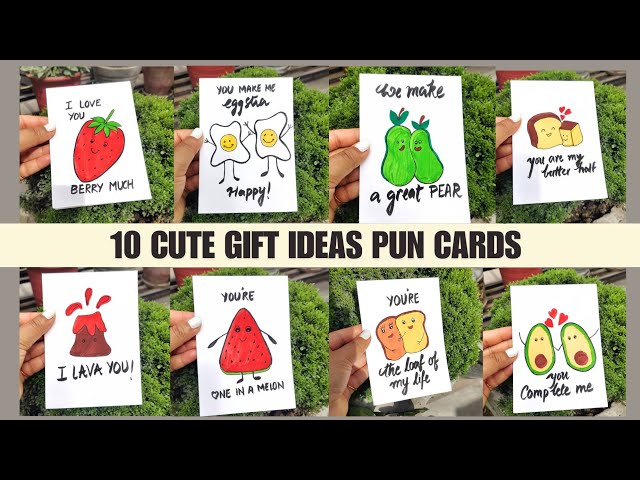
In the creative world of DIY and crafts, tutorials need to be as engaging as they are instructive. Whether you’re sharing step-by-step guides, video demonstrations, or blog posts, keeping your audience interested is essential. One of the most effective ways to inject personality and fun into your tutorials is by incorporating puns. These clever plays on words can make your content more memorable, relatable, and shareable, while also reflecting your unique voice.
This article will explore how to use puns in DIY and craft tutorials, providing practical tips, examples, and strategies to help you captivate your audience and enhance the learning experience.Laugh loud and often with crackuppuns.
Why Incorporate Puns in DIY and Craft Tutorials?
Using puns in DIY and craft tutorials offers several benefits:
- Adds Humor and Lightness: Crafting can sometimes seem complicated. Puns lighten the mood and make tutorials more approachable.
- Enhances Engagement: Clever wordplay catches readers’ attention and encourages them to keep reading or watching.
- Improves Memorability: Puns create mental hooks that help users remember techniques or tips.
- Builds Brand Personality: Consistent use of humor and wit creates a distinctive, relatable voice.
- Encourages Sharing: Entertaining content is more likely to be shared, expanding your reach organically.
Integrating puns thoughtfully makes your tutorials not just instructional but enjoyable experiences.
Understanding the Anatomy of a Great Pun for DIY Content
A successful pun in the crafting niche should have these key qualities:
- Relevant Wordplay: Puns should revolve around crafting tools, materials, techniques, or project themes.
- Clear and Simple: Avoid overly complicated puns that confuse rather than amuse.
- Natural Fit: Puns must blend smoothly into instructions or commentary without interrupting clarity.
- Brief and Impactful: Short, punchy puns work best to maintain flow and interest.
- Positive Tone: Puns should be encouraging and uplifting, fostering creativity.
Mastering these elements ensures your puns enhance rather than distract from the tutorial.
Tips for Writing Effective Puns in DIY and Craft Tutorials
- Identify Craft-Related Keywords for Punning
Start by listing words central to your craft niche—words like glue, stitch, cut, paint, sew, thread, weave, nail, fold, tape, scrap, and pattern. These serve as your punning anchors. For example, “Don’t be afraid to cut corners — just do it creatively!”
- Use Common Phrases and Idioms
Many idioms and phrases can be cleverly twisted for punning. For example, the phrase “hit the nail on the head” fits perfectly into woodworking tutorials but can be adapted humorously in sewing or paper crafts.
- Play with Homophones and Multiple Meanings
Words like “tape” (adhesive and recording), “frame” (picture frame and structure), or “press” (iron and exert force) provide rich punning opportunities.
- Place Puns Strategically
Use puns in:
- Titles and Headlines: To attract attention.
- Step Introductions: To make instructions fun.
- Tips and Warnings: To keep readers alert and entertained.
- Captions in Videos or Images: To add personality without interrupting flow.
- Calls to Action: To inspire engagement or sharing.
- Balance Humor with Clarity
Ensure puns don’t muddle the instruction. Humor should complement, not replace, clear communication.
Examples of Clever Puns for Popular Craft Categories
Sewing and Textile Crafts
- “Sew far, sew good!”
Celebrate progress with a cheerful phrase. - “Don’t get tied up in knots—keep calm and stitch on.”
Encourages perseverance. - “This project is sew easy, it’s a thread-lightful experience.”
Playing with “delightful” and “thread.” - “Keep calm and press on.”
A pun on ironing and continuing effort.
Paper Crafts and Scrapbooking
- “Cut above the rest!”
A motivating phrase related to cutting paper. - “Stick with it—your creativity will tape into greatness.”
Combining “stick” and “tape” imagery. - “Let’s glue crazy!”
A fun invitation to embrace messy creativity. - “Fold it till you make it.”
Encourages practice in origami or paper folding.
Woodworking and Home Decor
- “Nailed it!”
Perfect for successful projects. - “Don’t be board—let’s make something beautiful.”
Pun on wooden boards. - “Hammer out the details with precision.”
Suggests focus and effort. - “Saw this coming—your skills are sharp!”
Playful confidence booster.
Painting and Mixed Media
- “Let’s brush up on your techniques.”
An inviting phrase to improve skills. - “Color me impressed!”
Expressing admiration. - “Palette yourself for creativity.”
Encouraging readiness. - “Make your art stick—glue your heart into it!”
Emphasizing dedication.
Incorporating Puns in Video Tutorials and Live Streams
Puns work wonderfully in spoken form, adding charm and personality to videos or live streams. Here’s how to do it effectively:
- Use Puns to Introduce Steps: “Now, we’ll cut to the chase by trimming these edges.”
- Add Humor in Mistakes: “Well, I nailed it… or maybe I just nailed the wrong board!”
- Encourage Interaction: “If you’re enjoying this, don’t forget to ‘stick’ around and subscribe!”
- Use Punny Visual Text: Overlay pun captions to reinforce humor.
This approach keeps viewers entertained and more likely to stay tuned throughout the tutorial.
Best Practices and Pitfalls to Avoid
Best Practices
- Know Your Audience: Tailor pun complexity and style to your viewers’ or readers’ preferences.
- Stay Positive: Use uplifting humor that motivates creativity.
- Be Consistent: Develop a recognizable pun style as part of your brand voice.
- Use Visual Aids: Pair puns with relevant images or props to amplify impact.
- Invite User Participation: Encourage followers to share their own pun-inspired creations or captions.
Pitfalls to Avoid
- Overusing Puns: Too many can overwhelm and distract.
- Using Obscure Wordplay: If a pun is too complex, it may confuse or frustrate.
- Sacrificing Clarity: Never let humor cloud the instructional content.
- Cultural Insensitivity: Avoid puns that could be misinterpreted or offensive.
Maintaining balance ensures your puns enrich the tutorial experience.
Conclusion: Make Your DIY and Craft Tutorials Unforgettable with Puns
Using puns in your DIY and craft tutorials is a brilliant way to engage, entertain, and educate simultaneously. Clever wordplay makes your content approachable and memorable, encouraging viewers or readers to return for more creative inspiration.
By understanding your audience, choosing relevant pun themes, and integrating humor thoughtfully, you can transform ordinary tutorials into delightful learning journeys. Start weaving puns into your crafting content today and watch your community grow with smiles and creativity.