Trees are among the most valuable features of any property. They provide shade, improve curb appeal, support wildlife, and help make outdoor spaces feel more comfortable. A strong, healthy tree can stand for decades, becoming part of the landscape and even part of a family’s memories.
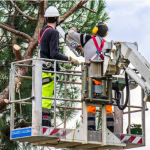
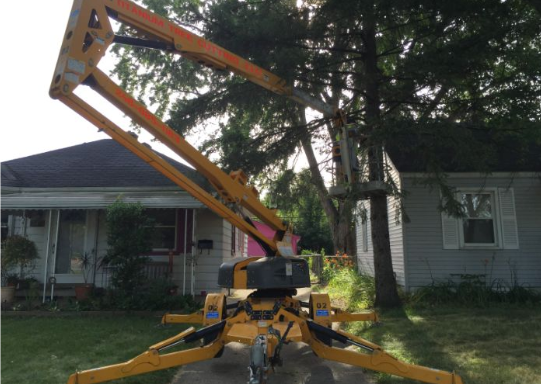
When a tree starts looking damaged, overgrown, or uneven, many property owners worry that removal is the only answer. That is not always true. In many cases, tree trimming in Farmington Hills can solve the problem without having to take the whole tree down. Trimming can remove unsafe branches, improve the tree’s shape, and help it grow stronger over time.
The key is knowing when a tree can be saved and when removal is truly needed. With the right care, many trees that look rough at first can recover and continue adding beauty and value to the property.
Why Tree Trimming Is Often Better Than Removal
Tree removal is sometimes necessary, but it should usually be the last option. Removing a tree changes the look of a yard, reduces shade, and can affect nearby plants that depend on the tree’s protection. It can also leave open space that takes years to refill.
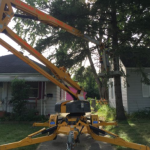
Tree trimming gives property owners another option. Instead of removing the entire tree, trimming focuses on cutting away specific branches that are dead, weak, crowded, or growing in the wrong direction. This keeps the healthy parts of the tree in place while reducing safety risks.
For example, a tree may have one large branch hanging over a roof, driveway, or walkway. If the trunk and roots are still strong, trimming that branch may solve the problem. The tree stays, but the danger is reduced.
Signs A Tree May Only Need Trimming
One common sign is dead or broken branches. A few dead limbs do not always mean the whole tree is dying. Branches can break because of storms, age, disease, or heavy growth. Removing those branches can help the tree focus energy on healthy areas.
Another sign is a thick, crowded canopy. When branches grow too close together, sunlight and air may not move through the tree properly. This can make it easier for pests, mold, and disease to spread. Careful trimming opens the canopy and helps the tree breathe.
Crossing branches are also a concern. When limbs rub against each other, they can create wounds in the bark. Those wounds may allow insects or disease to enter. Removing one of the rubbing branches can prevent a small issue from becoming a bigger problem.
How Tree Trimming Improves Safety
Safety is one of the biggest reasons property owners schedule tree trimming. Overgrown limbs can hang over roofs, fences, garages, sidewalks, and power lines. During strong winds or heavy rain, weak branches may fall, causing damage.
Trimming removes limbs that are more likely to break. It can also improve visibility around driveways, streets, and walkways. This is especially helpful for homes near corners, busy roads, or sidewalks where blocked views can create hazards.
Regular trimming is also useful before storm season. A tree with heavy, uneven growth may be more likely to lose branches during bad weather. Lightening the load in the right areas can help reduce that risk.
When Tree Removal May Be The Better Choice
While trimming can help many trees, it cannot fix every problem. If a tree is fully dead, removal is usually the safest option. Dead trees become weaker over time and can fall without much warning.
Removal may also be needed when the trunk has deep cracks, major decay, or serious structural damage. A tree with a hollow trunk or unstable base may not be safe, even if some branches still have leaves.
Root problems are another warning sign. If the ground around the tree is lifting, the tree is leaning more than before, or roots are damaged by construction, the tree may become unstable. In these cases, a professional inspection is important.
Severe disease can also lead to removal. Some diseases spread from tree to tree. Removing one badly infected tree may help protect the rest of the landscape.
The Value Of A Professional Tree Inspection
It can be hard for homeowners to judge tree health from the ground. A tree may look unhealthy but still be strong enough to save. Another tree may look green but have hidden decay inside the trunk or roots.
A professional tree care team can inspect the tree’s structure, branch condition, canopy, trunk, and root area. They can explain whether trimming is enough or whether removal is the safer choice.
Professionals also understand proper cutting methods. Poor trimming can harm a tree rather than help it. Cutting too much at once, cutting too close to the trunk, or topping the tree can create long-term damage. Good trimming supports the tree’s natural growth.
For helpful public information about tree care and urban forests, the USDA Forest Service is a useful government resource.
Common Tree Trimming Mistakes To Avoid
One of the biggest mistakes is topping a tree. Topping means cutting large sections from the top of a tree to shorten it. This may seem like a quick fix, but it often weakens the tree and causes unstable new growth.
Another mistake is removing too many branches at one time. Trees need leaves to produce energy. If too much of the canopy is removed, the tree may become stressed and more vulnerable to pests or disease.
Trimming at the wrong time can also cause problems. Some trees respond better when pruned during certain seasons. Others may bleed sap or become more open to disease if trimmed at the wrong time.
Homeowners should also avoid trimming branches near power lines. This work can be dangerous and should be handled by trained professionals or the proper utility provider.
How Regular Maintenance Helps Trees Last Longer
Routine tree care keeps small problems from turning into expensive ones. A branch that is starting to crack can be removed before it falls. Crowded growth can be corrected before it weakens the canopy. Early signs of disease can be spotted before they spread.
Regular tree trimming also helps trees keep a balanced shape. Balanced trees often handle wind and weather better because their weight is more evenly spread. This can make the entire tree stronger and safer.
Young trees especially benefit from proper shaping. Early trimming can guide their structure and prevent future problems. Mature trees benefit too, but the focus is usually on safety, health, and the preservation of their natural form.
Summary
Tree removal is sometimes necessary, but it is not always the first or best answer. Many trees can be preserved with careful trimming that removes dead, damaged, crowded, or unsafe branches. Trimming helps improve safety, supports healthy growth, and protects the beauty of the landscape.
The smartest choice starts with understanding the tree’s condition. If the trunk, roots, and main structure are healthy, trimming may be enough. If the tree is dead, unstable, or severely diseased, removal may be safer.
For help deciding whether trimming or removal is right for your property, contact Titanium Tree Cutting. Our team can inspect your trees, explain your options, and provide tree care that keeps your outdoor space safer, healthier, and better looking.