When people think about protecting a home, they often focus on the roof, siding, plumbing, or heating system. The crawl space rarely gets the same attention because it is hidden beneath the floor. Yet this small area can affect moisture levels, structural support, insulation, and even how comfortable a home feels.
Interest in crawl space repair has grown as more people become aware of what can happen when moisture and structural problems develop below the house. A damp or damaged crawl space may eventually contribute to sagging floors, unpleasant odors, weakened wood, and other concerns that are easier to manage when caught early.
Knowing what to look for can make a big difference. You do not need to become an expert on foundations or moisture control. A basic understanding of common warning signs can make it easier to decide when an inspection is worth scheduling. To learn more about local foundation and crawl space services, click here.
Why Crawl Spaces Are Getting More Attention
For years, many crawl spaces were treated as places to ignore unless water was visibly pouring in or a major structural problem appeared. That approach is changing.
People today have access to more information about moisture, indoor air quality, mold growth, energy loss, and structural maintenance. As a result, the space beneath the home is receiving more attention during inspections and renovation projects.
Common problems may include standing water, damp soil, deteriorating insulation, wood rot, pest activity, rusting supports, and cracked foundation walls. Even when these issues remain hidden, they may slowly affect areas above the crawl space.
Modern crawl space repair often focuses on correcting these problems before they become more serious. That makes regular observation an important part of general home maintenance.
Moisture Is Often the First Problem
Moisture is one of the biggest concerns in a crawl space. Water may enter through plumbing leaks, poor grading, foundation cracks, groundwater, or humid outdoor air. Exposed soil can also release moisture into the space.
Once humidity remains high for long periods, wooden framing and other materials may begin to absorb moisture. This creates conditions where mold, mildew, and decay are more likely to develop.
The U.S. Environmental Protection Agency notes that crawl spaces with high humidity may create conditions for hidden mold growth, especially when moisture problems are not corrected.
Reducing unwanted moisture early can protect more than the crawl space itself. It may also limit damage to floor joists, insulation, subflooring, and other materials connected to the structure.
Warning Signs May Appear Upstairs
You do not always need to enter the crawl space to notice that something may be wrong.
Changes inside the home may provide early clues. Floors may begin to feel soft, uneven, or slightly bouncy. Doors might stick even though they worked normally before. Musty odors may seem stronger near the floor, and rooms may feel more humid than usual.
Other signs include visible gaps near trim, damp insulation, cold floors during winter, or sections of flooring that appear to sag.
One unusual symptom does not automatically mean serious damage. Homes naturally shift and materials wear over time. However, several warning signs appearing together may be worth investigating.
Paying attention to these changes is one of the easiest ways to catch hidden problems before they spread.
Modern Repair Methods Offer More Options
Today, crawl space repair can involve several different solutions depending on the cause of the problem.
A moisture barrier may be installed over exposed soil to reduce the amount of ground moisture entering the crawl space. In areas with ongoing humidity problems, a dehumidifier may also be used to keep moisture levels under control.
Drainage improvements may be necessary when water repeatedly collects beneath the home. Interior drainage systems, sump pumps, improved grading, or extended downspouts may be considered depending on where the water is coming from.
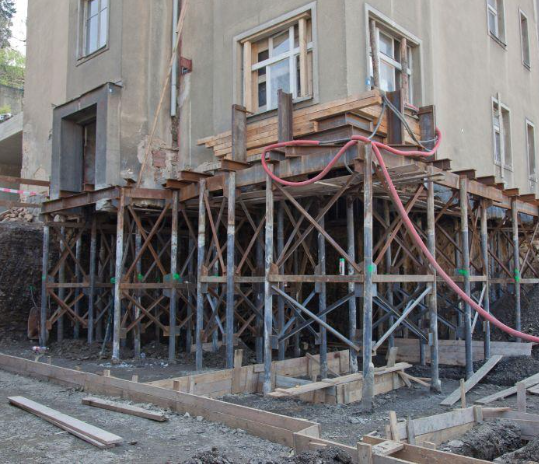
Structural problems require a different approach. Sagging floors may be linked to weakened joists, deteriorated beams, or inadequate supports. Repairs may involve adding or replacing support posts, reinforcing framing, or replacing damaged wood.
The best solution depends on what caused the problem in the first place. Treating every crawl space the same way can lead to unnecessary work or leave the original issue unresolved.
Why Inspection Should Come Before Repair
A proper inspection is an important first step before any major work begins.
An inspection may look for foundation movement, damaged supports, moisture entry points, plumbing leaks, wood deterioration, pest activity, and drainage concerns around the house.
This process matters because crawl space repair should correct the source of the problem rather than simply covering up the visible symptoms.
For example, replacing damaged insulation may improve appearance, but new insulation could become damp again if the water problem underneath it remains unresolved. Likewise, adding a support post may improve a sagging floor, but the surrounding wood still needs to be evaluated for moisture damage.
Ask questions during an inspection. Find out what was discovered, what likely caused the problem, and why a particular repair method is being suggested. Understanding the reasoning behind the work makes it easier to make informed decisions.
Earlier Attention May Keep Repairs Simpler
Crawl space problems usually do not improve on their own. Moisture may continue spreading, wood may gradually weaken, and structural movement can become more noticeable over time.
Catching a problem earlier may keep the repair process more manageable. A small drainage issue may be easier to correct before it causes extensive deterioration. A minor plumbing leak may be far less disruptive to deal with before nearby framing has been exposed to moisture for months.
It can be useful to check the crawl space after severe weather, plumbing failures, drainage changes, or periods of unusually high humidity.
You do not need to inspect the area constantly. The idea is simply to stay aware of changes in and around the home and investigate warning signs instead of assuming they will disappear.
What a Healthier Crawl Space Can Mean
With the right repairs, the area beneath the home can become cleaner, drier, and more stable.
Depending on the original issue, improvements may include lower moisture levels, better support beneath floors, reduced risk of wood deterioration, improved drainage, and fewer conditions that encourage mold growth.
Professional crawl space repair may also involve removing damaged materials and correcting structural weaknesses that developed over time.
Results will vary from one property to another. That is why the repair plan should match the actual condition of the crawl space rather than relying on a standard package of services.
A Small Space Worth Paying Attention To
A crawl space may be out of sight, but it should not be completely out of mind. Moisture, damaged wood, poor drainage, and weakened supports can gradually affect parts of the home that people use every day.
Learning the warning signs makes these problems easier to recognize. Regular awareness, timely inspections, and appropriate crawl space repair can reduce the chance of small concerns developing into more complicated structural or moisture problems.
If you have noticed uneven floors, dampness, musty odors, foundation concerns, or other signs beneath your home, Battle Creek Foundation Repair Pros offers professional crawl space and foundation services based on your property’s conditions. Contact Battle Creek Foundation Repair Pros to schedule an evaluation and find out which repair approach makes sense for your home.