Healthy Trees Start With Regular Care
Trees add beauty, shade, privacy, and value to any property. They also help improve air quality and create more comfortable outdoor spaces throughout the year. Like any part of your landscape, however, trees require regular care to remain healthy, attractive, and safe.
Many homeowners discover the value of tree trimming only after a branch breaks or a tree becomes overgrown. Resources like treeservicewestbloomfield.com can help property owners learn more about tree care and understand when professional attention may be needed. Taking action before problems develop can protect your property and encourage stronger, healthier trees for years to come.
One of the biggest reasons tree care matters is safety. Dead, cracked, or hanging branches can fall during high winds, heavy rain, or winter storms. Even a medium-sized limb can damage a roof, fence, vehicle, or power line. In some cases, falling branches can also put people and pets at risk. Trimming weak or damaged limbs early helps reduce these risks before they become expensive problems.
Why Tree Trimming Is Important
Tree health is another major reason to schedule trimming. When diseased or dying branches remain on a tree, the problem can spread. Removing unhealthy limbs allows the tree to direct more energy toward healthy growth. It also improves airflow through the canopy, helping reduce excess moisture that may contribute to disease.
Routine tree trimming also helps trees maintain a balanced structure. Well-placed cuts encourage stronger branch development while reducing unnecessary weight. Healthy trees are generally better prepared to handle strong winds and seasonal weather changes.
Signs Your Trees Need Attention
Property owners should regularly inspect their trees for warning signs. Dead branches are one of the easiest problems to spot. These limbs often appear dry, brittle, or without leaves while the rest of the tree remains healthy.
Other common signs include:
- Broken or hanging branches
- Limbs rubbing against one another
- Branches touching the roof or siding
- Dense canopies blocking sunlight
- Visible signs of insect damage or disease
- Trees growing unevenly or leaning
Addressing these issues early often prevents larger problems later.
The Best Time for Tree Trimming
Many trees respond well to trimming during late winter or early spring while they are dormant. During this period, the tree experiences less stress, and the branch structure is easier to evaluate before new leaves appear.
However, damaged or hazardous limbs should never be left to wait for a specific season. If a branch threatens your home, driveway, or sidewalk, it should be removed as soon as possible.
Different species also have different pruning needs. Young trees often benefit from shaping, while mature trees typically require selective pruning to remove weak or crowded branches.
Benefits Beyond Better Appearance
Although many people think of trimming as a cosmetic service, the benefits extend far beyond that.
Regular tree trimming can:
- Improve tree health
- Reduce storm damage risks
- Increase sunlight throughout the landscape
- Promote stronger branch growth
- Extend the life of mature trees
- Improve property appearance and value
Healthy trees contribute to a healthier landscape overall.
Common Tree Trimming Mistakes
Improper pruning can do more harm than good. One of the biggest mistakes is removing too much of the canopy at one time. Excessive pruning places unnecessary stress on the tree and limits its ability to produce energy through its leaves.
Another harmful practice is topping. Cutting off large sections of the tree’s upper canopy often leads to weak regrowth, decay, and structural problems.
Using dull tools or making improper cuts can also slow healing and leave trees vulnerable to pests and disease.
Safety Always Comes First
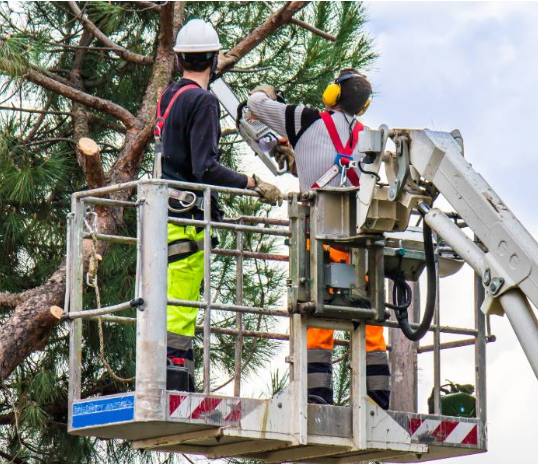
Small branches close to the ground may seem manageable, but larger trees present significant hazards. Heavy limbs can fall unpredictably, and working from ladders increases the risk of serious injury.
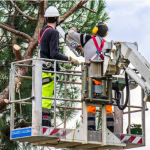
Branches growing near electrical lines should never be handled without proper equipment and training. Professional arborists understand how to remove hazardous limbs while protecting nearby structures and surrounding landscaping.
Learn More About Proper Tree Care
For additional guidance on tree health, pruning practices, and urban forestry, visit the USDA Forest Service website: https://www.fs.usda.gov/
The USDA provides educational resources that help homeowners better understand proper tree maintenance and long term landscape care.
Conclusion
Healthy trees require more than occasional attention. Regular inspections and timely pruning help prevent property damage, encourage healthier growth, and improve overall safety. Watching for early warning signs allows small issues to be corrected before they become expensive repairs.
Whether your trees are young or fully mature, routine tree trimming is one of the best investments you can make in your landscape. A little preventive care today can help your trees remain healthy, beautiful, and structurally sound for many years.
Keep Your Trees Healthy With Professional Care
If your trees are overgrown, damaged, or showing signs of poor health, West Bloomfield Tree Service & Removal is ready to help. Our experienced team provides professional trimming services that promote healthier growth, improve safety, and keep your property looking its best.