A home’s foundation does a quiet job every day. It supports the walls, floors, roof, and everything inside. Most homeowners do not think much about it until cracks, uneven floors, or sticking doors start showing up. By then, the problem may already be waving a little red flag.
Foundation issues can feel stressful because they involve parts of the home most people cannot see. The good news is that homeowners do not need to become structural experts to make better choices. A basic understanding of warning signs, causes, inspections, and repair options can make the process less confusing.
Foundation repair in San Antonio is an important topic for any homeowner who wants to protect their property and avoid guessing when structural concerns appear. When you know what to look for, you can ask better questions and respond before problems become more serious.
Why Foundations Shift Over Time
Foundations are built to be strong, but they still react to the ground around them. Soil expands when it absorbs water and shrinks when it dries out. Over time, that movement can place pressure on a foundation. In areas with clay soil, these changes can be especially noticeable.
Poor drainage is another common factor. When water pools near the base of a home, the soil may become unstable. Gutters, downspouts, grading, and landscaping all play a role in directing water away from the structure. Tree roots can also affect soil moisture by drawing water from the soil.
Age matters too. Older homes may have settled over decades. Materials can wear down, previous repairs may not have been done correctly, and small cracks can grow wider. None of these issues fix themselves, so paying attention is the smarter path.
Warning Signs Homeowners Should Watch For
Some foundation problems start with small clues. Doors may begin rubbing against the frame. Windows may stick. Drywall cracks may appear near corners, ceilings, or doorways. Floors may feel uneven, sloped, or bouncy in certain areas.
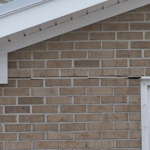
Exterior signs matter as well. Stair-step cracks in brick, gaps around windows, cracks in concrete slabs, or separation around porches can indicate movement. A homeowner may also notice water collecting near the house after rain.
These signs do not always mean the worst-case scenario, but they do mean the home deserves a closer look. Ignoring them is like hearing a smoke alarm chirp and deciding the wall probably has opinions.
Why Professional Inspections Matter
A proper inspection helps identify what is really happening. Professionals look at the inside and outside of the home, check visible cracks, review drainage patterns, and measure signs of movement. They may also ask when the homeowner first noticed the issue and whether it has changed over time.
The biggest benefit of an inspection is clarity. A crack may be cosmetic or indicate a deeper structural concern. Without an evaluation, homeowners are left guessing. That can lead to delayed repairs, unnecessary worry, or the wrong service.
Foundation repair decisions should be based on the cause of the problem, not fear. A detailed inspection gives homeowners useful information before money is spent.
Common Foundation Repair Options
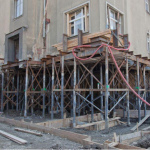
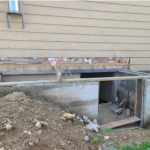
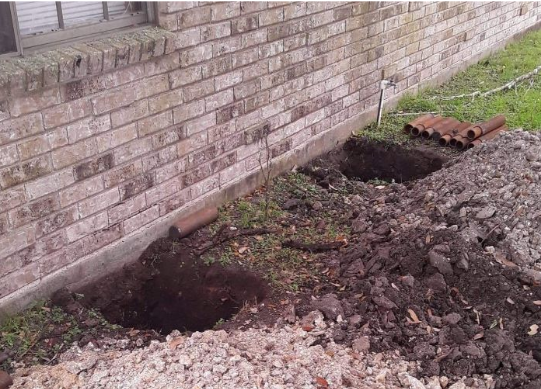
Different problems require different repair methods. Some homes may need pier systems to stabilize areas that have settled. Others may need crack repair, slab support, crawl space repairs, or drainage corrections. The right option depends on the foundation type, soil conditions, and amount of movement.
Piers are often used when part of the foundation has dropped or shifted. Crack repairs may help address openings that allow water or pests to enter. Drainage improvements may be recommended when water near the home is contributing to soil movement.
There is no one-size-fits-all answer. A good contractor explains why a certain repair method is recommended and how it addresses the cause of the issue.
Myths That Can Lead Homeowners The Wrong Way
One common myth is that every crack means a home is unsafe. Some cracks are minor, while others need fast attention. The size, location, pattern, and movement history all matter.
Another myth is that waiting saves money. In reality, foundation problems do not simply settle down and behave. Delays may allow more movement, more cracking, and more damage to floors, walls, plumbing, or framing.
A third myth is that every foundation issue requires a full replacement. Many homes can be stabilized or repaired without tearing everything apart. That is why evaluation matters before making big decisions.
How Homeowners Can Help Protect Their Foundation
Homeowners can take simple steps to support the long-term health of their foundations. Keep gutters clear so water flows away from the house. Make sure downspouts discharge several feet from the foundation. Watch for soil washing away near the home after storms.
It also helps to monitor cracks. Taking photos every few months can show whether a crack is changing. Homeowners should also avoid heavy water buildup near the foundation and address drainage problems quickly.
The U.S. Department of Housing and Urban Development offers homeowner resources on maintenance and property care that can be helpful for understanding broader home-responsibility topics.
Summary
Foundation problems can feel intimidating, but knowledge gives homeowners a better grip on the situation. By watching for warning signs, understanding soil and drainage issues, and getting a professional inspection, homeowners can make smarter choices.
Foundation repair is not something to ignore or guess at. The earlier a concern is evaluated, the more information homeowners have to protect their property and plan the right next step.
If you have noticed cracks, uneven floors, sticking doors, or signs of foundation movement, contact Total Foundation Repair San Antonio today. Our team provides careful inspections and reliable foundation repair services to help homeowners protect their homes with confidence.