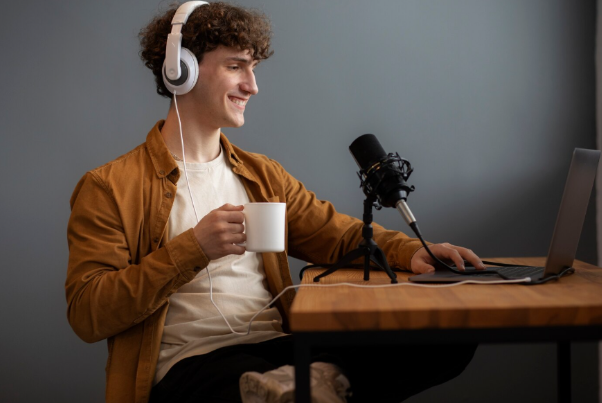
High-quality audio is essential for anyone producing content, whether for podcasts, live streaming, or home recording. USB microphones have become a popular choice due to their plug-and-play convenience, versatility, and professional sound quality. Choosing the right USB microphone can make a significant difference in clarity, tone, and overall listener experience.
Why Choose a USB Microphone?
USB microphones are ideal for content creators who want professional audio without complicated setups. Unlike traditional XLR microphones, USB models connect directly to a computer via a USB port, eliminating the need for additional audio interfaces or mixers. This simplicity makes them particularly suitable for beginners, remote work, and mobile recording setups.
Key Features to Consider
When selecting a USB microphone, several factors should be taken into account. Sound quality is the most critical. Look for microphones that capture clear, detailed audio with minimal background noise. A condenser microphone is ideal for vocals and podcasts, while dynamic microphones are better suited for live streaming in environments with ambient noise.
Polar patterns define how a microphone picks up sound. Cardioid patterns focus on sound directly in front of the microphone, reducing background noise. Omnidirectional patterns capture sound from all directions, which is useful for group discussions. Some microphones also offer multiple pattern options for versatility.
Build quality and durability are essential for long-term use. Metal housings and robust components ensure that the microphone can withstand frequent handling and transport. Additionally, consider whether the microphone comes with accessories like a pop filter, shock mount, or adjustable stand, as these improve audio clarity and reduce unwanted vibrations.
Popular USB Microphone Brands and Models
Several brands have established themselves as leaders in USB microphones. Blue Microphones, Rode, Audio-Technica, Shure, and HyperX are among the most trusted for quality and reliability.
Blue Yeti is one of the most well-known USB microphones, offering multiple polar patterns, easy setup, and excellent audio quality for streaming, podcasting, and voiceovers. The Rode NT-USB delivers clear, natural sound and comes with a pop filter and tripod stand, making it a solid choice for vocal recording.
Audio-Technica’s AT2020USB+ is praised for its detailed sound capture and sturdy build, while Shure’s MV7 combines USB and XLR connectivity, providing flexibility for both home and professional setups. HyperX microphones, such as the QuadCast, cater specifically to gamers and streamers, offering built-in shock absorption and RGB lighting for aesthetic appeal.
Advantages of USB Microphones
USB microphones offer several advantages beyond convenience. They are highly portable, making them suitable for remote recording or temporary studio setups. Their plug-and-play nature allows immediate use without complex configurations, saving time and reducing setup stress.
For podcasters and streamers, USB microphones also offer reliable performance with minimal latency. Many models come with built-in headphone outputs for real-time monitoring, ensuring that audio levels are correct during recording. This immediate feedback helps maintain sound quality and consistency.
Tips for Choosing the Right USB Microphone
Consider the primary purpose of your microphone. Podcasting, streaming, and voiceovers each have different requirements for sensitivity and sound quality. If background noise is a concern, a cardioid condenser or dynamic microphone may be more suitable.
Test microphones if possible to assess comfort and ease of use. Some USB microphones include gain control, mute buttons, or software compatibility for enhanced control over your audio. Reviewing product specifications, listening to sample recordings, and checking user reviews are all helpful steps in selecting the right model.
Budget is another important factor. USB microphones are available across a wide price range, from entry-level models suitable for casual recording to professional-grade options that deliver studio-quality audio. Investing in a reliable microphone may involve a higher upfront cost, but it can improve the quality and credibility of your content.
Conclusion
USB microphones are a versatile and accessible solution for podcasters, streamers, and home recording enthusiasts. By evaluating sound quality, polar patterns, build quality, and brand reputation, content creators can select a microphone that meets their specific needs. High-quality USB microphones enhance clarity, reduce background noise, and provide reliable performance, making them an essential tool for professional and hobbyist audio production alike.
FAQs
Are USB microphones suitable for professional podcasting?
Yes. Many USB microphones deliver studio-quality sound and are used by both beginners and professionals for podcasting and content creation.
Do USB microphones require additional equipment?
No, they connect directly to a computer via USB, making them easy to use without additional audio interfaces or mixers.
Can USB microphones reduce background noise?
Yes. Choosing a microphone with a cardioid pattern or built-in noise-reduction features helps minimise background sound.
Which USB microphone is best for streaming?
Popular options include the Blue Yeti, HyperX QuadCast, and Shure MV7, all of which provide clear audio, low latency, and user-friendly controls.