Basement leaks and water damage can cause more than just a mess-they may lead to constant odors, ugly stains, mold growth, and even structural problems in your home. The good news is that many of these issues can be avoided.
Knowing what causes basement leaks is the first step toward keeping your basement dry. A little prevention can save you time, money, and stress. Think about how you would trust a good balcony waterproofing contractor to protect your outdoor areas-a similar level of care is needed for your basement.
It’s a common belief that old homes simply come with wet basements, especially after a rainy day. But any sign of moisture, from a wet patch to a full puddle, points to a bigger problem that shouldn’t be ignored. With some basic knowledge and the right habits, you can keep leaks at bay and make sure your home stays in good condition.
Common Causes of Basement Leaks and Water Damage
You need to know why your basement might be leaking before you can fix it. The main causes are related to how your house was built, how the land sits around your home, and what happens during storms.
Here are the most frequent reasons:
Hydrostatic Pressure and Groundwater
Hydrostatic pressure is a major cause of basement leaks. This happens when the ground around your house becomes soaked with water and presses against your basement walls and floor. The pressure can force water through even small cracks, just like squeezing a soaked sponge.
Clay Bowl Effect
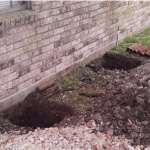
When your house was built, the soil around the foundation was disturbed. This backfill can be looser than the untouched dirt further out. After a rain or snow, this looser soil acts like a bowl holding water close to your foundation, putting extra pressure on your basement walls.
To further enhance your basement’s protection against leaks and water damage, consider exploring advanced waterproofing solutions that can provide long-term peace of mind. These solutions often include the installation of sump pumps, interior drainage systems, and vapor barriers, all designed to effectively manage water intrusion and maintain a dry, healthy environment. For homeowners looking to safeguard their basements, it’s crucial to invest in quality materials and professional installation. To learn more about our waterproofing solutions, which can be tailored to meet your specific needs, consider reaching out to experts who specialize in comprehensive basement protection strategies.
Porous Concrete or Masonry
Even without obvious cracks, basement walls made from concrete or bricks can let water seep through over time because these materials are a bit like sponges. You might see damp patches, a white powdery substance (called efflorescence), or smell mustiness, even if there isn’t visible water.
Window Wells and Openings
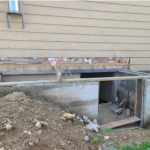
Basement windows and window wells are common places for leaks, especially if they don’t drain properly or the ground slopes toward them. Leaves or other debris can also block drainage, letting rainwater build up and eventually sneak through into your basement.
Cracks in the Foundation
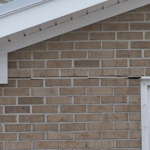
Small and large cracks in either the walls or the floor of your basement are direct entryways for water. These can happen as your house settles, as the ground around it moves, or under the pressure from water outside. Small cracks may only let some moisture in, while bigger ones can cause bigger leaks.
Plumbing and Appliance Leaks
Water in the basement isn’t always from outside. Issues with your hot water heater, washing machine hoses, or pipes can also cause flooding or dampness. These leaks are usually easy to spot and are often sudden. For any plumbing problem, contact a plumber.
Poor Drainage and Grading
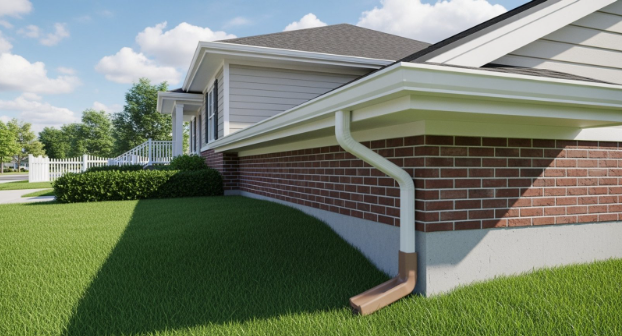
If your yard slopes toward your home or if water collects near the foundation, rainwater will flow toward your basement. Clogged gutters or short downspouts can also dump water where you don’t want it. The more water collects near the foundation, the higher the chance it will find its way inside.

How to Spot Where Water Is Getting In
Finding out where water is sneaking in is key to fixing the issue. Here’s how you can check:
Finding the Entry Point
Start by looking for stained walls, bubbled or peeling paint, crumbly mortar, or powdery white marks. If you inspect the basement during a storm, leaks are easier to see. Using a moisture meter can also help track where water is coming in.
Looking at Wall-Floor Joints
The spot where your basement walls meet the floor is very common for leaks. Watch for dampness, cracks, or mold along these edges. Notice if water shows up after big storms or if it trickles in slowly.
Checking Window Wells and Pipes
Inspect window wells for standing water or clogged drains. Look around windows for rotting wood or rusty frames. Check plumbing for wet spots, puddles under appliances, or drips from pipes. These signs usually mean you need to fix the drainage or the seal around the window or pipes.
Inspecting Foundation Cracks
Look inside and outside for cracks in the foundation. Write down the size and direction of any cracks to see if they get worse over time. Larger or spreading cracks may mean you need professional help.
Best Ways to Prevent Basement Leaks and Water Damage
Once you know the cause, you can use the right method to keep your basement dry. Combining different solutions usually works best:
Clean and Extend Gutters and Downspouts
Gutters direct water away from your home. Clean them at least twice a year to prevent clogs. Downspouts should guide water at least 6-15 feet from the foundation. Tools like downspout extensions or underground drains can help. Use this table for a simple overview:
|
Task |
How Often |
Purpose |
|
Clean gutters |
Spring/Fall |
Prevent overflow by keeping water moving away from house |
|
Check downspouts |
Every rainstorm |
Make sure water is not pooling near the foundation |
Improve Yard Slope
The ground should slope away from your house by at least six inches over ten feet. Add soil to low spots to help water flow away. If needed, install shallow ditches (swales) or a simple outdoor drain to move water further from the house.
Perimeter Drainage Systems
For homes with constant groundwater issues, install a drainage system inside or outside the basement (like a French drain linked to a sump pump). These systems catch and move water out before it puddles inside. You’ll probably need a professional for this work.
Seal Cracks and Openings
Small cracks can be sealed with special epoxy or cement. For bigger or more serious cracks, or if you see the cracks growing, call a professional. Patch the crack and figure out what caused it to stop future leaks.
Waterproof Walls and Floors
Use waterproof paints or sealers designed for basements on clean, dry walls. These products help block moisture from seeping in, but are best for minor issues. For the outside, pros can apply a waterproof layer after digging around the foundation.
Install a Sump Pump and Backwater Valve
Sump pumps remove excess water and are especially useful for basements prone to flooding. Choose a pump that suits your needs and think about adding a backup for power outages. A backwater valve keeps sewage from backing up during heavy rains. Test the pump regularly to keep it ready.
Window Well Covers and Proper Drainage
Cover window wells with strong covers to keep out rain and debris. Make sure there’s gravel or drains at the bottom, and that covers fit well. Check window sealing and replace old caulk or weather stripping as needed.
Dehumidifiers to Manage Moisture
High humidity can lead to mold and dampness even without leaks. Use a basement dehumidifier and keep humidity below 50%. Pick a size that fits your basement for the best results.
Keeping Your Basement Dry All Year
Long-lasting protection comes from routine care. Set regular checks and follow a maintenance schedule to catch problems early.
Regular Checks and Upkeep
Inspect your basement and outside walls twice a year. Look for new cracks, shifting soil, or damp spots. Test your sump pump every few months. Fix issues while they’re small to avoid big repairs.
Seasonal To-Do List
After snow melts in spring, check yard drainage and remove leftover debris from gutters. In the fall, clean gutters before heavy leaf drop. During rainy seasons, keep an eye out for new leaks or water pooling.
-
Spring: Remove winter debris, check grading
-
Fall: Clean leaves, check downspout extensions
-
Year-round: Monitor after big storms
Add Technology: Water and Humidity Sensors
Install water sensors in leak-prone spots. If they spot water, they’ll beep or send an alert to your phone. Use a hygrometer to watch humidity levels. Adjust dehumidifiers as needed to prevent dampness and mold.
DIY or Professional Waterproofing?
Should you fix basement problems yourself or get professional help? Here’s a quick overview:
|
Approach |
Good For |
Limitations |
|
DIY |
Small cracks, applying waterproof paint, cleaning gutters |
May not solve deeper issues; fixes might be temporary |
|
Professional |
Major leaks, foundation cracks, installing drains or sump pumps |
More costly; usually needed for bigger/ongoing problems |
When It’s Time to Call a Pro
If your basement floods a lot, you see wide or spreading cracks, or water is coming in from multiple spots, it’s best to call a specialist. Experts have the tools and know-how to solve tough problems-often with warranties for peace of mind. Paying more upfront may save you money on future damage and repairs.