In today’s fast-paced industrial and construction environments, employee safety is more than a regulatory requirement, it’s a vital part of workplace efficiency and morale. That’s why companies like HySafe, a leader in custom fall protection systems, emphasize the importance of comprehensive safety training programs. From the moment a worker steps onto a job site, understanding and applying fall protection principles can mean the difference between a productive day and a catastrophic incident.
The Direct Link Between Safety Training and Risk Reduction
Falls are one of the leading causes of workplace injuries and fatalities, particularly in industries like construction, warehousing, and manufacturing. Safety training programs specifically designed around fall protection equip workers with the knowledge to identify hazards, use equipment correctly, and follow established safety procedures.
Well-structured training includes:
-
- Proper Use of Fall Arrest Systems:
Employees are trained on how to correctly inspect, wear, and anchor harnesses, lanyards, lifelines, and other personal fall arrest systems. This includes understanding weight limits, equipment lifespan, and how to recognize signs of wear or damage that could lead to failure. Workers also practice securing anchorage points, adjusting fit for maximum comfort and safety, and ensuring all components are compatible and correctly connected. - Hazard Awareness:
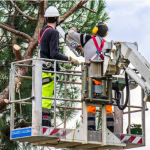
Training helps employees identify and assess potential fall hazards in their specific work environments, such as unprotected roof edges, open floor holes, skylights, scaffolding platforms, ladders, and mobile elevated work platforms (MEWPs). Workers learn how to anticipate risks during routine tasks and while working in changing conditions like bad weather, poor lighting, or cluttered surfaces. Real-world scenarios and site-specific examples make hazard recognition more practical and relatable. - Emergency Procedures:
A comprehensive program covers not only how to prevent falls but also how to respond when an incident occurs. Workers are instructed on self-rescue techniques, how to assist others without putting themselves in danger, and how to activate emergency response systems promptly. Training often includes simulated drills that help reduce panic and improve coordination during real emergencies. Understanding the dangers of suspension trauma and how to manage it while awaiting rescue is also a critical component. - Compliance with OSHA and ANSI Standards:
Employees are educated on key regulations from OSHA (Occupational Safety and Health Administration) and ANSI (American National Standards Institute), such as OSHA 1926.501 for construction and 1910 Subpart D for general industry. Training ensures that everyone on site understands their rights and responsibilities regarding fall protection. This helps organizations avoid costly fines, enhances audit readiness, and most importantly, ensures that the safety practices in place meet or exceed nationally recognized standards.
- Proper Use of Fall Arrest Systems:
The result is a noticeable decline in accidents, injury claims, and downtime, each a significant cost factor in any business operation.
Improved Productivity Through Empowered Workers
Contrary to the belief that safety procedures slow down work, fall protection training actually enhances productivity. Workers who are confident in their ability to navigate hazardous environments are less hesitant and more efficient in completing tasks. When employees understand how to use fall protection systems properly, they spend less time second-guessing safety measures and more time focusing on the job.
In addition, a safe work culture built through training fosters trust between workers and management. It encourages communication about safety concerns and promotes accountability among team members.
Training as a Long-Term Investment
While implementing safety training programs requires an upfront investment of time and resources, the long-term benefits outweigh the costs. Companies that prioritize fall protection training experience:
- Lower insurance premiums due to fewer injury claims
- Reduced turnover, as employees feel valued and protected
- Higher morale, leading to increased engagement and efficiency
- Better compliance during safety audits and inspections
These advantages create a safer, more productive, and more profitable work environment.
Conclusion
Fall protection is not just about the right equipment, it’s about equipping workers with the knowledge and confidence to use that equipment effectively. Safety training programs, especially those focused on fall protection, are essential in reducing risk and improving workplace productivity. With companies like HySafe leading the way in providing both engineered safety solutions and training support, businesses are better positioned to protect their teams and enhance performance across the board.
Frequently Asked Questions
Q: What should a fall protection training program include?
A: It should cover hazard identification, proper equipment use, system inspection, emergency procedures, and compliance with safety regulations.
Q: How often should workers undergo fall protection training?
A: At minimum, annually or whenever there are changes in equipment, job duties, or safety regulations.
Q: Can fall protection training improve worker morale?
A: Yes. When workers feel safe and supported, morale improves, which contributes to better productivity and lower turnover.
Q: Is safety training legally required?
A: Yes. OSHA mandates fall protection training for employees exposed to fall hazards, making it a legal necessity.
Q: How does training reduce workplace accidents?
A: Training helps workers recognize hazards early and equips them with the skills to act safely, significantly lowering the risk of incidents.