DM meaning in text has become a common phrase in today’s fast-paced digital conversations. Whether you’re a teen chatting with friends or a professional networking online, understanding what DM stands for is crucial. DM is short for Direct Message, a term that refers to private communication between users on social media or messaging platforms. Unlike public comments or tweets, DMs are meant for one-on-one or group conversations that aren’t visible to the public.
As digital interaction becomes more common, the use of DM has evolved beyond just casual chatting. It plays a big role in personal communication, business outreach, customer service, and even influencer marketing. Knowing what DM means in text helps users navigate digital platforms more confidently and use them effectively. With so many apps featuring direct messaging capabilities, this simple term has become a key part of our online vocabulary.
What Does DM Mean in Text Messaging?
When someone says “DM me”, they’re asking for a direct message—a private note sent through a social platform or app. In text messaging, DM represents a way to shift from a public space (like a comment section) to a private one. Unlike SMS, which uses your phone number, DMs work inside apps like Instagram, Twitter (X), Facebook, and TikTok. These platforms allow users to message without needing phone numbers, keeping communication safe and user-specific.
It’s common to see DMs used for both casual and formal exchanges: from flirting to job offers. People often say “Slide into my DMs” humorously to indicate starting a private conversation. So, the DM meaning in text refers to the act of reaching out directly, whether to ask a question, build a connection, or respond to someone’s story. Understanding this abbreviation helps decode digital talk better and keeps conversations smooth.
Origin and Evolution of DM Meaning in Text
The origin of DM comes from early internet forums and the emergence of social networking sites like MySpace and Twitter, where private messaging was introduced to separate public and private interactions. Originally called “private messages” or “PMs,” the term DM gained traction when Twitter popularized the feature as “Direct Message.” From there, platforms like Instagram, Facebook Messenger, and Snapchat adopted the idea, and the abbreviation stuck. Over time, the DM meaning in text has expanded far beyond basic chatting. It’s now a tool for influencer-brand collaborations, crisis communication, digital marketing, and even customer support. Today, sending a DM can spark new relationships, settle disputes, or initiate business deals. As our communication habits evolve, so does the significance of DMs. The evolution of DM represents how informal and formal interactions are blending, all while prioritizing user privacy and personalized conversations in the digital age.
Common Platforms Where DM Is Used
DMs are widely used across multiple platforms, and each app brings its own style and features to the table. Here’s a table summarizing popular platforms and their DM functionalities:
| Platform | DM Feature Name | Notable Use |
| Direct Messages (DM) | Reactions to stories, private chatting | |
| Twitter (X) | Direct Messages | Public to private thread replies |
| Messenger | Social and business conversations | |
| TikTok | Inbox Messages | Follows, short clips, private replies |
| Messaging | Networking and professional outreach | |
| Snapchat | Chats | Temporary direct interactions |
Each platform supports DM functionality, allowing users to move from public posts to private conversations easily. Whether it’s for flirting, business, or catching up, knowing where and how to use DMs makes your digital communication smoother.
Differences Between DM and Other Messaging Terms
Although DM is popular, it’s important to know how it differs from terms like PM (Private Message), SMS (Text Messaging), and IM (Instant Message).
- DM (Direct Message): App-specific, especially on social media, for private chats.
- PM (Private Message): An older term still used on platforms like Reddit or online forums.
- SMS (Short Message Service): Traditional texting through mobile numbers.
- IM (Instant Message): Real-time chatting, often in apps like Slack or Microsoft Teams.
What sets DM apart is its platform-based privacy and informal tone, often used in a more personal or semi-professional context. Unlike SMS, which requires phone access, DMs can be used within apps, making them more flexible for social and business communication. Understanding these differences helps you choose the right method for every type of interaction—whether formal, casual, or anonymous.
How DM Is Used in Social Media Conversations
In today’s digital landscape, DMs are used for more than just chatting. On platforms like Instagram, Twitter, and Facebook, DMs often serve as entry points to deeper conversations. For example:
- Responding to a story by saying “This made me laugh!” via DM
- Asking a business question like “Is this item still in stock?”
- Sending a meme or post privately to a friend
- Reaching out to influencers or brands
- Initiating collaborations, partnerships, or networking
What’s key is the personal nature of these exchanges. A public comment is for all to see, but a DM is like whispering to one person in a room full of people. It’s private, direct, and often more effective. Many people also use DMs to build relationships, flirt subtly, or move conversations off the main feed into a more intimate space.
Examples of DM Meaning in Text for Daily Use
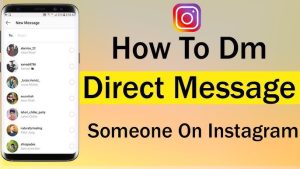
Understanding DM meaning in text gets easier with real examples. Here are some daily scenarios that show how DMs function:
- Flirting: “He slid into my DMs after I posted that selfie.”
- Customer Service: “If you have issues, please DM us directly.”
- Networking: “I sent her a DM on LinkedIn after the conference.”
- Friends Sharing Content: “I’ll DM you that funny reel.”
- Collaboration: “Interested in working with us? DM for rates.”
These examples reveal how flexible and multi-purpose DMs are in text-based conversations. Whether for romantic, professional, or casual reasons, DMs offer a safe and easy way to reach someone without broadcasting it to the world. Using DMs wisely can enhance your digital interactions and ensure your messages are well-received.
Etiquette and Rules of Using DM in Text
Understanding the etiquette of using DM in text is essential in today’s digital space. A DM (Direct Message) is a private way to connect—but not all messages are welcome. Start by being respectful and avoid sending messages out of context. If you’re reaching out for the first time, always introduce yourself clearly, like:
“Hi! I follow your art page and had a quick question.”
Do not send links or media without explanation, and avoid multiple messages if someone doesn’t respond right away. That can come off as intrusive. It’s also inappropriate to use DMs for spam, unsolicited promotions, or offensive language.
Key Etiquette Tips:
- Always introduce yourself when DMing for the first time.
- Be concise and polite—get to the point respectfully.
- Never assume a quick reply is owed.
- Avoid oversharing or being too forward.
Practicing good DM etiquette ensures smoother, more respectful communication and helps foster trust in digital interactions.
Privacy Concerns Related to DM Meaning in Text
The idea that DMs are completely private can be misleading. While DM (Direct Messaging) is intended for one-on-one communication, users must remain cautious. First, platforms can monitor content for spam, abuse, or policy violations. Even if you’re chatting with a trusted contact, they could screenshot your messages—turning private talks into public posts without warning.
Also, hacked accounts are a major concern. Always use strong passwords and two-factor authentication to protect your data. Never share personal information such as your address, bank details, or social security number via DM.
Top Privacy Risks in DMs:
- Screenshots can breach your privacy instantly.
- Messages may be monitored or flagged.
- Hacked accounts expose past and current chats.
While the DM meaning in text implies discretion, you must stay aware. Privacy on social platforms is never guaranteed—so message wisely and limit sensitive info in direct chats.
Teen and Gen Z Usage of DM in Text Messaging
Among teens and Gen Z, the use of DM in text is second nature. For this generation, DMs are not just for chatting—they are the core of digital social life. Unlike older users who might stick with texting or email, teens prefer DMs on Instagram, Snapchat, TikTok, and Twitter. They use them to plan meetups, share memes, or have deep conversations.
This generation thrives on instant replies, emoji reactions, and abbreviations like “wyd?” or “idk”. However, it also adds pressure: not replying quickly might cause drama or signal disinterest. Group DMs are common among friends, classmates, and even fandom communities.
Teen DM Habits:
- Heavy use of slang, emojis, and abbreviations.
- Messaging often feels more personal than public commenting.
- Can be used for flirting, venting, or meme-sharing.
For Gen Z, the DM meaning in text is not just about messaging—it’s a digital heartbeat of their everyday lives.Misunderstandings and Clarifications About DM in Text
Despite being common, there are many misunderstandings about DM meaning in text. One frequent confusion is assuming DMs are anonymous. They’re not. Every DM shows the sender’s profile, and platforms usually log activity. Another misconception is that DMs are like text messages—but unlike texts, DMs are platform-based and can have restricted access depending on follower settings.
People also misread intentions. A casual “Hey” might seem friendly to one person but flirty to another. That’s why clear intent is crucial. Don’t expect instant replies—many users don’t check their message requests folder often, especially on Instagram and Facebook.
Common Misunderstandings:
- Believing DMs are completely private or anonymous.
- Assuming every DM will be seen or answered.
- Misinterpreting tone or intent of messages.
Clarifying the real meaning of DM in text helps avoid awkward moments and ensures that communication is both respectful and understood as intended.

Frequently Asked Questions About DM Meaning in Text
- What does DM mean in texting?
DM stands for Direct Message, used to send private messages between users on social platforms. - Are DMs safe and secure?
Generally, yes—but be cautious. Screenshots, hacking, and monitoring are always possible. - Can I DM someone who doesn’t follow me?
On platforms like Instagram or Twitter, yes—but your DM might land in their message requests. - What is “sliding into DMs”?
It’s a slang term for initiating a conversation, often romantically or flirtatiously. - What’s the difference between a DM and a PM?
They’re almost the same. PM means private message; DM is used on social platforms like Twitter or Instagram. - Can DMs be deleted permanently?
Yes, but that doesn’t guarantee the other person hasn’t screenshot or saved them. - Is it rude not to reply to a DM?
Not necessarily. Boundaries are important, and users can choose who they respond to.
Conclusion of DM Meaning in Text
Understanding the DM meaning in text goes beyond its definition as a “Direct Message.” In today’s digital culture, DMs serve as bridges between creators and fans, professionals and peers, friends, and even strangers. Whether it’s a heartfelt message, a business pitch, or a casual meme, direct messaging plays a critical role in how we connect.
Yet, with the rise of privacy concerns, misunderstandings, and shifting social rules, it’s important to be intentional and respectful when using DMs. From Gen Z’s fast-paced interactions to cautious professionals, everyone uses DMs differently—but all should understand the rules, risks, and etiquette involved.
In short, DMs are powerful. When used wisely, they can spark meaningful conversations, build networks, and maintain relationships in a digital-first world. So the next time someone says, “DM me,” you’ll know exactly what it means—and how to reply smartly, safely, and respectfully.