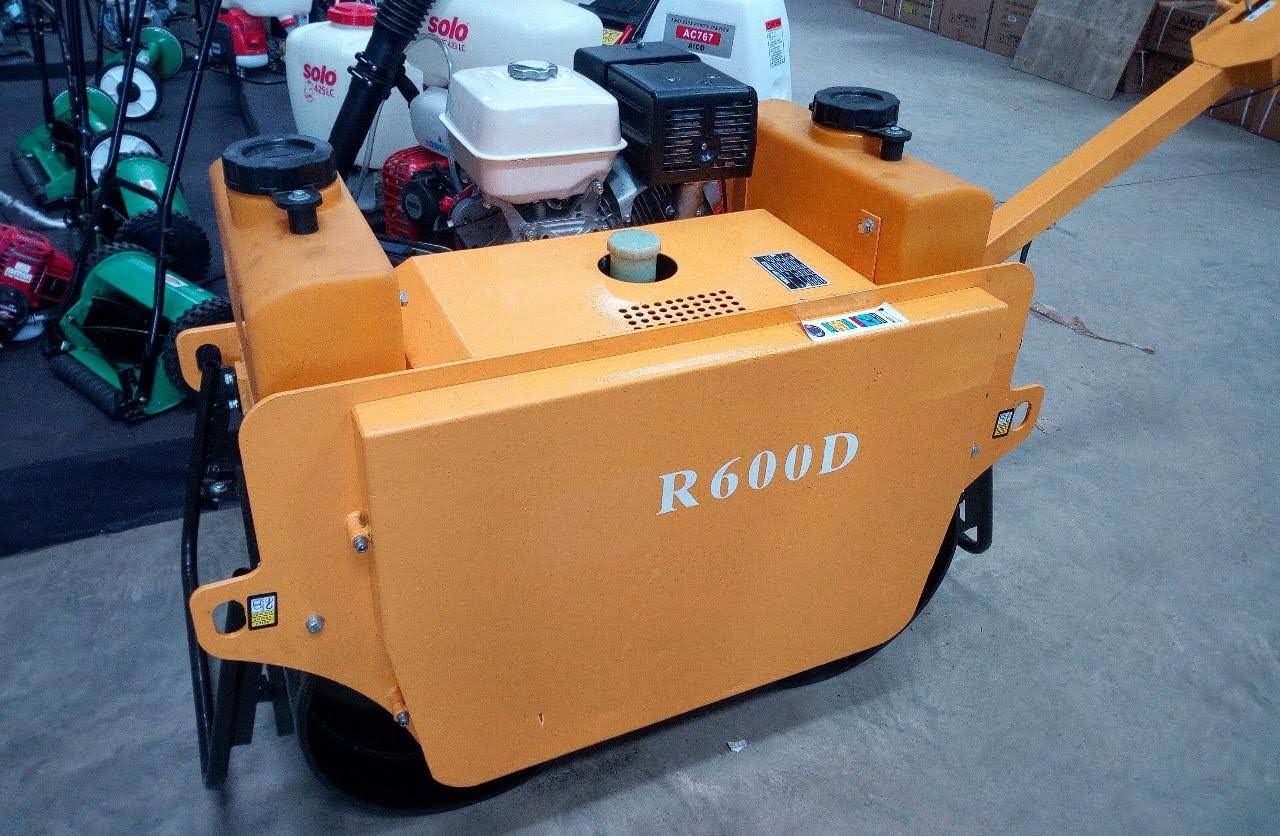
In Kenya’s construction sector, timelines are king, and machinery that blends speed and reliability is every foreman’s top pick. The pedestrian, or walk-behind, roller is clearly in the keeper column: narrow enough for trench shoulders, sips diesel, and has the muscle to compact dirt, gravel, or hot mix in one measured sweep. A pedestrian roller price in Kenya alongside the living variables that push numbers up or pull them down gives buyers a working sense of whether the machine fits the contract timeline and the finance sheet without keeping the accountant up all night. Matching the asking price to expected performance and load keeps both deadlines and cash in the winning lane.
Getting to Know the Pedestrian Roller’s Role
Walk-behind or pedestrian rollers are engineered to tighten up layers of price booster fast, especially when stage space shrinks. Their tight profile stretches into trenches, kerning, and the clips of access avenues that full-sized machines skip. For Kenyan contractors, the drums lift forward pavement patch blends, hold bonds of fresh asphalt, and seal footing pours. Yet, across the country, the roller price added to fuel and bits often chalks in the bite that quarantines owning the unit from renting it for the day. A wise purchase manages rolling costs and locks in known torque for the project’s full circuit and keeps future swings to more winnable deals.
Factors Affecting Pedestrian Roller Price in Kenya
The pedestrian roller price in kenya is shaped by a mix of specific attributes. The reputation of the brand, cylinder capacity, drum width, and whether the machine is fresh from the factory or has had a soft second life drive the bulk of the number. Overseas labels almost always need a steeper up-front investment, since shipping and import levies join the original sticker, but the extra warranty and lifespan customers expect from those brands often repay the difference through the machine’s working years. Local labels price nearer to the ground, which pulls in buyers at the entry level and gives options all the way up. Machines delivering higher compaction energy or outfitted with features such as variable-frequency vibration controls certainly command a premium, prompting must-do side-by-side evaluation. A competent choice for price is therefore grounded in scrutinizing these attributes rather than dismissing the cost alone.
Comparing Pedestrian Roller and Compactor Machine Prices in Kenya
Buyers often juxtapose the pedestrian roller with alternative compaction technologies—most notably plate compactors. The comparative inquiry is sensible, as both categories perform the task of soil or asphalt densification, but design intent varies considerably. Plate compactors, priced lower and ideal for restricted-access jobs, serve very small areas. The pedestrian roller, in contrast, covers a wider path and is more productive over semi-large sites, inflicting deeper compaction in each pass. Knowing price differences measured as pedestrian roller price in Kenya vis-a-vis the compounded price of the plate machine enables informed purchasing. Specifics of the job—site layout, layer thickness, and scheduled productivity—should therefore guide the final equipment selection. A modestly larger budget for your pedestrian roller can convert into faster job completion and lower operating costs over the machine’s life.
Why Verify the Compactor Machine Price in Kenya?
Always evaluate the compactor machine price in kenya beside pedestrian roller costs before finalizing any buy. A side-by-side cost check makes it clear which machine suits the site profile and financing limits. For contractors who repeatedly face extensive compaction work, investing in the pedestrian roller usually pays off, even with a bigger initial outlay. For lighter, infrequent jobs, however, the plate compactor is often the smarter and cheaper choice. This analysis underlines the need to track and understand the prevailing prices in the local market to channel money wisely.
Guidelines for Buying Pedestrian Rollers in Kenya
Source your pedestrian roller from a vendor with a strong track record, warranty agreements, and reliable after-sales support. Inspect the engine, the vibration mechanism, and the roller drums for wear, especially on used models. Also check claimed fuel use, operating simplicity, and parts availability. Be sure to investigate any financing plans and promotional price relief available during the off-peak season, as these can ease the impact of pedestrian roller prices across Kenya. Conducting thorough market research, comparing different dealers, and requesting live demonstrations can help obtain the best price with the right quality.
Renting vs. Buying: Choosing the Smarter Path
Renting a pedestrian roller works best for a one-off site small, well-defined prep without the margin for the costs of ownership. Kenyan rental firms provide clear daily or weekly schedules, so cash flow isn’t out of step with receipts. But for firms in continuous development, where roller use trends toward day-in, day-out—pavements, trenches, access roads, buying the unit pays down its total costs over time. The governing questions are how often the roller turns up on the crew sheet, how much cash the firm is willing to lock up in a depreciating asset, and how robust its maintenance crew is. By juxtaposing the units daily rolled-in rental charge against its depreciated ownership cost, added interest, projected maintenance, storage owners start with a realistic budgeting scaffold.
Final Ideas
In Kenyan construction, the pedestrian roller is the small yet ubiquitous partner that compresses both subgrade and surface with speed and precision. The purchase price then becomes a pivot: outright buy, intermittent rental, or substituting a vibrating plate or rammer. A contractor can tilt the balance by comparing the roller’s cash outlay to similar units, testing local dealer price sheets, and sketching daily job-cycle moves. The right choice turns headroom into a competitive lift by saving time, cutting daily hire surpluses, and locking in firm running cost forecasts, letting balanced contractors consistently outbid quick-estimate rivals in tight tenders.