Water problems around a foundation often start quietly. A small damp spot, a musty smell, or a little water near a basement wall may not seem serious at first. Over time, though, repeated moisture can damage finishes, encourage mold growth, affect indoor air quality, and create larger concerns around the structure.
Modern waterproofing gives property owners more ways to control moisture than simply sealing a visible leak. Today’s methods focus on finding where water is coming from, controlling how it moves around the structure, and creating barriers that reduce the chance of it entering again. Readers looking for local foundation and moisture-control information can also visit foundationrepairpflugerville.com.
The right solution depends on the source of the moisture. Water entering through a wall after heavy rain may require a different approach from moisture rising through a crawl space floor. Understanding these differences makes it easier to choose a practical solution instead of repeatedly treating the same symptom.
Where Does Foundation Moisture Come From?
Water can reach lower areas of a structure in several ways. Rainwater may collect near foundation walls when the surrounding ground slopes toward the building. Gutters and downspouts may also discharge water too close to the foundation, saturating the surrounding soil.
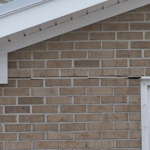
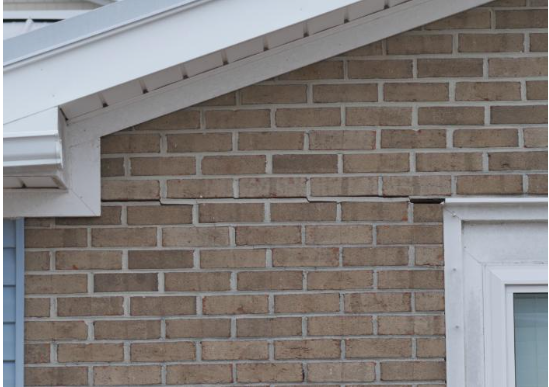
Foundation cracks are another common entry point. Even a narrow opening may allow water through when wet soil creates pressure against the wall. Concrete and masonry can also absorb moisture, which may create damp patches even when there is no obvious flowing leak.
Crawl spaces face their own moisture concerns. Water vapor can rise from exposed soil, while poor drainage outside may allow water to collect beneath the structure.
Plumbing leaks should also be considered. A damaged pipe, leaking fixture, or drain problem may look similar to groundwater seepage. Identifying the true source is an important first step before repairs begin.
The U.S. Environmental Protection Agency explains that controlling moisture involves correcting leaks, seepage, drainage problems, and other sources of unwanted water.
Modern Waterproofing Methods Used Today
No single solution works for every moisture problem. Contractors may use one method or combine several approaches based on where the water is entering and how often the problem occurs.
Exterior Foundation Barriers
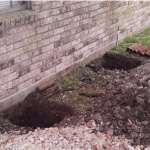
Exterior systems are designed to stop water before it reaches the interior side of the foundation wall. Installation may involve excavating soil around the affected area to expose the foundation.
Once the wall is accessible, contractors may repair cracks and damaged areas. A protective membrane or coating can then be applied to create a barrier between the foundation and surrounding soil.
Exterior drainage materials may also be added to guide groundwater away from the wall.
Interior Drainage Systems
Interior drainage systems manage water that reaches the inside perimeter of a basement or foundation.
A drainage channel is commonly installed near the edge of the floor. Water entering around the walls or foundation footing is collected and directed toward a sump basin or another discharge point.
This approach can be useful when exterior excavation is difficult or when groundwater regularly collects beneath the structure.
Sump Pump Systems
A sump pump removes water that collects below the building.
Water flows into a sump basin, where a pump activates when the water reaches a certain level. The pump then sends the water through a discharge pipe and away from the foundation.
Backup pumps or battery systems may also be considered in locations where storms could cause power outages.
Crawl Space Moisture Barriers
Crawl spaces with exposed soil may release significant amounts of moisture into the area above.
A vapor barrier covers the soil and reduces the amount of ground moisture entering the crawl space. More extensive systems may extend the barrier across walls and around support columns.
When combined with drainage improvements, crawl space waterproofing can create a much drier environment beneath the structure.
Finding the Source Before Choosing a Solution
Visible water tells only part of the story. A good inspection looks at when the moisture appears, where it starts, and how water moves around the structure.
For example, water that appears immediately after rainfall may point toward gutters, grading, or exterior drainage. Moisture that develops near the floor may indicate groundwater pressure beneath the foundation.
Several questions can narrow down the source:
- Does moisture appear only after storms?
- Is one wall consistently wetter than the others?
- Do downspouts discharge near the foundation?
- Does the ground slope toward the building?
- Are foundation cracks visible?
- Is water entering near the floor, walls, or both?
Matching the repair method to the water source can reduce repeated problems and unnecessary work.
Warning Signs That Deserve Attention
Some moisture problems are obvious, such as standing water after a storm. Others develop slowly.
Look for damp or darkened foundation walls, bubbling paint, peeling finishes, and white mineral deposits on concrete. These deposits, often called efflorescence, can appear when moisture passes through masonry and leaves minerals behind.
Musty odors are another warning sign, especially in basements and crawl spaces. Wood framing, cardboard boxes, insulation, or stored belongings that remain damp may also point to excess moisture.
Repeated puddles near foundation walls should not be ignored either. Taking photos during or shortly after rainfall may make it easier to identify patterns later.
Early investigation gives property owners more options before water damage spreads.
Simple Drainage Improvements Matter
Not every moisture problem begins with a major repair project. Basic exterior maintenance can play an important role in keeping water away from the foundation.
Clear gutters so rainwater can flow freely. Downspouts should direct water away from the building rather than releasing it beside the foundation.
Low areas in the soil may need to be corrected if they allow water to pool near exterior walls. Drainage paths should also remain clear so stormwater can move away from the structure instead of collecting around it.
Periodic inspections are useful after strong storms. Walk around the building and look for puddles, soil erosion, overflowing gutters, or new foundation cracks.
Combining good drainage practices with professional waterproofing methods often provides stronger moisture control than focusing on the inside of the structure alone.
Keep Moisture Problems From Becoming Bigger
A damp basement, wet crawl space, or leaking foundation does not always mean a major structural problem is already present. It does mean the source of the moisture deserves attention.
Modern moisture-control systems provide several ways to reduce water intrusion, including drainage improvements, exterior barriers, sump pumps, crawl space barriers, and crack repairs. The right approach depends on how water is reaching the structure.
Watch for changes after rainfall, inspect drainage areas regularly, and investigate persistent dampness before it spreads. A little awareness today can prevent a much larger moisture headache tomorrow.
If you see seepage, damp foundation walls, crawl space moisture, or other signs that water is getting where it shouldn’t, Pro Foundation Repair Pflugerville offers professional foundation evaluations and repair solutions based on the conditions affecting your property. Contact us to discuss your concerns and learn which waterproofing approach may be appropriate for your foundation.