Your basement does a lot more than store old boxes and holiday decorations. It quietly supports your entire home, acting as the structural base that keeps everything steady. When something goes wrong down there, the effects can ripple through the entire house.
The tricky part is that foundation problems rarely show up in dramatic ways at first. A small crack here, a slight shift there. It all seems harmless until it isn’t. Many homeowners brush off these early signs, thinking they can deal with them later. Unfortunately, “later” often comes with a bigger repair bill.
Understanding how basement foundation repair in Massillon works gives you a serious advantage. When you know what causes the damage, what to look for, and how repairs are handled, you can step in early and keep things under control.
What Causes Basement Foundation Damage
Foundation issues usually build slowly over time. They are not random. They come from a mix of environmental pressure and structural stress that adds up little by little.
One of the biggest culprits is soil movement. The ground beneath your home is constantly shifting depending on moisture levels. When soil absorbs water, it expands. When it dries out, it contracts. This ongoing movement puts pressure on your foundation, causing it to settle unevenly or crack.
Water is another major factor. Poor drainage around your home allows water to collect near the foundation walls. Over time, this weakens the structure and increases the likelihood of cracks forming. Add in seasonal temperature changes, especially freeze-thaw cycles, and you have a perfect storm for gradual damage.
Common Signs You Need Basement Foundation Repair
Most foundation problems leave clues before they turn serious. The key is knowing how to spot them early.
Cracks are often the first visible sign. Some are small and harmless, but others tell a different story. If cracks begin to widen or appear in horizontal patterns, they may point to structural stress. Floors that feel uneven or slightly sloped can also signal that the foundation is shifting beneath your home.
You might also notice doors and windows sticking or failing to close properly. This happens because the house’s frame is no longer properly aligned. Moisture is another red flag. Damp walls, musty smells, or signs of mold suggest that water is getting in where it should not.
Understanding Different Types of Cracks
Not all cracks deserve the same level of concern. Some are part of normal settling, while others are warning signs that need immediate attention.
Hairline cracks are common in newer homes and are usually cosmetic. They tend to appear as the structure settles into place. Vertical cracks also fall into the less severe category, though they should still be monitored over time.
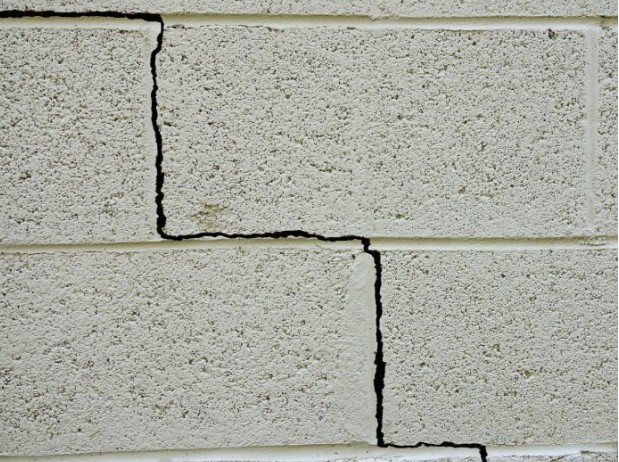
Horizontal cracks, on the other hand, are more serious. These often indicate pressure from soil or water pushing against the foundation walls. Stair-step cracks along block foundations usually indicate uneven settlement and should be evaluated by a professional.
Basement Foundation Repair Methods Explained
Once the problem is identified, the next step is choosing the right repair method. Different issues require different solutions, and the approach depends on the severity and cause of the damage.
Crack injection is one of the most common fixes for minor issues. This process involves injecting a specialized material into the crack to seal it and restore strength. For walls that are bowing or leaning, reinforcement systems, such as wall anchors, are used to stabilize and gradually correct their position.
More serious cases may require piering or underpinning. This involves installing supports deep into stable soil to lift and stabilize the foundation. Waterproofing systems are often added as well, helping prevent future water intrusion and protecting the repaired structure.
DIY vs Professional Basement Foundation Repair
It can be tempting to handle foundation repairs on your own, especially when the problem looks small. While some minor cracks can be sealed with basic materials, most foundation issues go deeper than what you see on the surface.
DIY fixes may provide a temporary solution, but they often fail to address the underlying cause. This can lead to recurring problems and higher costs over time. Structural issues, bowing walls, and persistent moisture problems require professional evaluation and repair.
Delaying professional help is one of the biggest mistakes homeowners make. What starts as a manageable repair can quickly escalate into a major project if left untreated.
How Basement Foundation Repair Improves Your Home
Fixing your foundation does more than solve an immediate problem. It strengthens your entire home and improves overall living conditions.
A stable foundation provides better structural support, which reduces stress on walls, floors, and ceilings. It also helps maintain proper alignment throughout the home. Addressing cracks and moisture issues improves air quality by reducing the risk of mold and dampness.
There is also a financial benefit. Homes with solid, well-maintained foundations tend to hold their value better and attract more confident buyers.
Preventing Future Foundation Problems
Once repairs are complete, prevention becomes the next priority. Keeping your foundation in good shape requires consistent attention to a few key areas.
Managing water around your home is one of the most important steps. Clean gutters, proper downspout placement, and effective grading help direct water away from the foundation. Maintaining balanced soil moisture also plays a role. Extreme dryness or saturation can both cause issues over time.
Regular inspections help you catch small problems before they grow. A quick check every so often can save you from having to deal with major repairs later.
Why Professional Guidance Matters
Foundation repair is not something you want to guess your way through. A trained professional can identify the root cause of the problem and recommend lasting solutions.
They have access to specialized tools, proven techniques, and materials designed for long-term performance. This level of expertise gives you confidence that the repair will hold up over time.
For more information on housing safety and structural standards, you can visit the U.S. Department of Housing and Urban Development.
Conclusion
Basement foundation problems rarely fix themselves. They start small, stay quiet, and then slowly grow into something much bigger. The good news is that early action changes everything.
By understanding the signs, causes, and repair options, you put yourself in control. Basement foundation repair is not just about fixing cracks. It is about protecting your home, your investment, and your peace of mind for the long run.
If you are starting to notice cracks, uneven floors, or moisture in your basement, now is the time to act. Reach out to Top Foundation Repair Massillon for a professional assessment and reliable solutions that keep your home strong from the ground up.