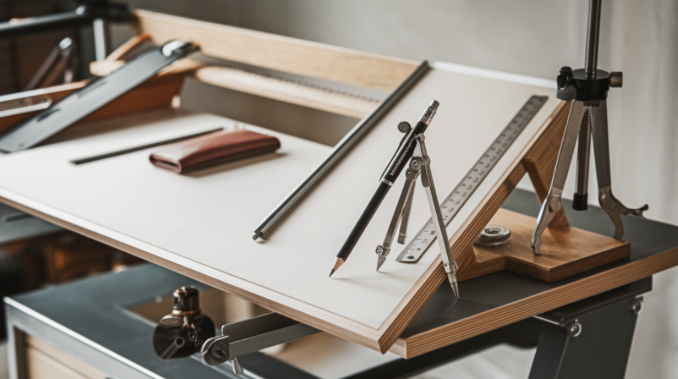
IMAGE ALT TEXT: The image showcases a sophisticated, minimalist workspace with a focus on a premium Grafton mechanical pencil placed prominently on an architect’s drafting table, surrounded by high-quality drafting tools like a ruler and compass, alongside everyday carry items such as a stylish leather wallet and versatile multitool, all set against a backdrop of earthy tones and metallic accents, reflecting a modern industrial American aesthetic that emphasizes durability, elegance, and a brand’s confident voice.
EDC Mechanical Pencil: Precision for Engineering Projects
Everyday Carry (EDC) mechanical pencils are important tools for both professionals and enthusiasts, especially in engineering. These pencils are designed for daily use, offering a level of precision that is crucial for technical drawings and detailed work. Their significance in engineering projects cannot be overstated, as they provide consistent line quality and convenience that traditional pencils cannot match.
In this article, we will look at the history of mechanical pencils, the features that make them great for engineering, and the latest designs and innovations. We’ll also discuss the importance of ergonomics and sustainability in pencil design, offer guidance on choosing the right engineering pencil, and highlight the benefits of using EDC mechanical pencils in engineering.
History and Evolution of Mechanical Pencils
The origin of mechanical pencils dates back to the 19th century, providing a more efficient alternative to traditional wooden pencils. Several inventors contributed to the creation of the mechanical pencil over time. Mechanical pencils have evolved significantly since their inception, with early designs focusing on the mechanical aspect of advancing the lead without the need for sharpening.
As technology advanced, so did the design and functionality of mechanical pencils. They became easier to use and more reliable, with better lead mechanisms and features like retractable tips and cushioned grips. Today, mechanical pencils are available in various styles and sizes, catering to different needs and preferences, especially in fields that require precision, such as engineering.
Features of the Best Mechanical Pencil for Engineering
When choosing a mechanical pencil for engineering, there are several key features to consider. These features ensure that the pencil not only meets the needs of precise engineering work but also provides comfort and durability. Here are the essential features to look for:
- Precision: The ability to draw fine lines and detailed sketches is crucial in engineering. A pencil with a fine lead size, such as 0.5mm or 0.7mm, offers the accuracy needed for technical drawings.
- Durability: Engineering projects can be demanding, so a pencil that can withstand daily use is important. Look for pencils made from robust materials like metal or high-quality plastic.
- Grip: A comfortable grip is vital during long periods of use. Pencils with rubberized or textured grips prevent slipping and reduce hand fatigue.
- Lead Advancement Mechanism: A reliable mechanism ensures smooth lead advancement without breakage. Options include push-button, twist, or shaker mechanisms.
Cool Mechanical Pencils: Modern Designs and Innovations
Today’s mechanical pencils are not just functional; they also come with innovative designs and features that enhance the user experience. Here are some new features found in modern mechanical pencils:
- Retractable Tips: This feature protects the lead and prevents it from breaking when not in use, making the pencil more portable.
- Auto-rotating Lead: Some pencils have mechanisms that rotate the lead as you write, keeping it sharp and consistent in width.
- Advanced Materials: Modern pencils use materials like carbon fiber or aluminum, which add to their durability and aesthetic appeal.
- Customizable Options: Users can personalize their pencils with different grips, lead sizes, and colors to match their preferences.
These innovations make mechanical pencils more than just writing tools; they become an extension of the user’s style and efficiency. By incorporating these features, manufacturers enhance the overall experience, making these pencils an attractive choice for both professionals and enthusiasts.
Ergonomics and Sustainability in Mechanical Pencils
When it comes to mechanical pencils, ergonomic design plays a crucial role in enhancing user comfort and efficiency. A pencil designed with comfort in mind can help reduce hand fatigue, letting engineers work without discomfort. According to research on ergonomic design for writing tools, tools that fit well in hand and provide a comfortable grip can significantly improve writing performance and reduce strain.
In addition to ergonomics, sustainability is becoming increasingly important in the production of mechanical pencils. Many manufacturers are now focusing on eco-friendly practices to reduce their environmental footprint. For instance, some companies are producing pencils using sustainable materials and processes that minimize waste and energy consumption. This not only benefits the environment but also appeals to consumers who are conscious of their ecological impact.
Choosing the Right Engineering Pencil
Choosing the right EDC pencil for engineering involves considering several factors to ensure it fits your needs. Here are some tips to help you make the best choice:
- Precision: Look for pencils that offer fine lead points for detailed and accurate drawings.
- Durability: Choose a pencil made from sturdy materials that can withstand regular use.
- Comfort: An ergonomic design will help prevent hand fatigue during long periods of use.
- Lead Advancement: Consider the mechanism for advancing the lead, whether it’s a click, twist, or shake mechanism, to find what suits you best.
- Refillability: Opt for pencils that allow easy lead and eraser refills to reduce waste and cost over time.
By evaluating these features, you can find a mechanical pencil that not only enhances your engineering projects but also aligns with your personal preferences and project requirements.
Benefits of Using EDC Mechanical Pencils in Engineering
EDC mechanical pencils are more than just writing tools; they are key tools for engineers. Here are some key benefits of using these pencils in engineering projects:
- Precision: EDC mechanical pencils offer unmatched precision, allowing engineers to create detailed drawings and calculations with ease. The consistent line width ensures accuracy in every stroke.
- Ease of Use: With their simple mechanism, these pencils eliminate the need for sharpening, ensuring a smooth and uninterrupted workflow. This convenience is particularly valuable during intense project phases.
- Durability: Built to withstand daily use, EDC mechanical pencils are crafted from robust materials that endure the rigors of engineering environments. This durability ensures long-term reliability.
- Sustainable Options: Many manufacturers are now focusing on sustainable practices, offering pencils made from eco-friendly materials. This aligns with the growing emphasis on environmental responsibility in the engineering field.
These advantages make EDC mechanical pencils an ideal choice for engineers seeking efficiency and sustainability in their work.
Final Thoughts
In conclusion, picking the right mechanical pencil for engineering is crucial. The precision, durability, and ease of use offered by EDC mechanical pencils make them indispensable tools for engineers. Additionally, the availability of sustainable options allows professionals to make environmentally conscious choices.
When considering the best mechanical pencil for your needs, many engineers explore options from brands such as Everyman alongside other respected names in the industry like Rotring and Pentel, comparing quality, feel, and reliability to find the tool that best supports their work. As you consider your next engineering project, remember the importance of selecting a pencil that meets your specific needs. Prioritize sustainability and performance to contribute positively to both your work and the environment.