Zines have surged back into the spotlight in 2025, captivating a new generation of creators amid a broader revival of print culture. Rooted in the DIY ethos of the 1930s science fiction fandom and exploding through the punk movement of the 1970s, zines embody raw, unfiltered expression unbound by commercial constraints.
Today, indie creators, artists, and small brands harness this legacy to forge intimate connections in a digital-saturated world. Google Trends data from late 2025 shows a marked uptick in zine-related searches, driven largely by Gen Z’s quest for tangible authenticity and respite from screen fatigue.
For artists sketching personal narratives or brands crafting niche stories, custom zine printing transforms handwritten drafts into polished artifacts that circulate at markets, pop-up shops, and online stores. This resurgence underscores zines as versatile tools for cultural commentary, self-promotion, and community building, where eco-friendly printing options amplify their impact by aligning creativity with planetary care.
Types of Zines: From Mini-Zines to Art Books
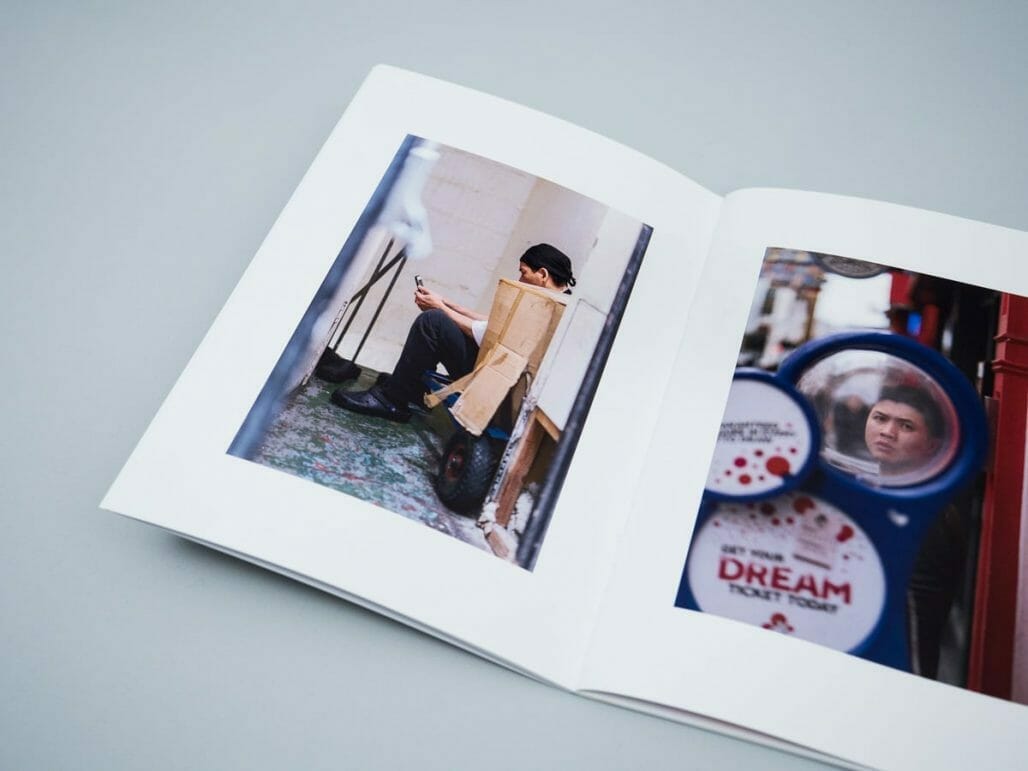
Zines manifest in diverse forms, each tailored to spark specific inspirations. Art zines capture experimental visuals, blending sketches, collages, and mixed media to explore themes like identity or urban decay, and are often distributed at galleries or art fairs to draw collectors. Photo zines, meanwhile, curate image sequences into poetic essays, ideal for photographers documenting travel or social issues, with layouts that emphasize negative space for emotional depth.
Brand storytelling zines allow small businesses to weave product origins into narrative arcs, such as a coffee roaster chronicling been journeys through illustrated maps, fostering loyalty among eco-minded customers. Event or promotional zines shine for one-offs, like festival guides with schedules and artist spotlights, or launch packets that double as keepsakes. Regardless of type, custom printing ensures these variations shine—vibrant colors for photos, textured stocks for art—making each zine a collectible extension of the creator’s world.
What Makes a Zine Unique?
At their heart, zines thrive on unbridled self-expression, allowing makers to pour personal visions onto the page without editorial gatekeepers. This freedom fosters vulnerability and innovation, turning a stapled pamphlet into a manifesto or memoir that resonates deeply. Their flexible format sets them apart—zines can fold from a single sheet into a mini-book or expand into multi-signature volumes, adapting to any idea’s scale.
Affordable and accessible publishing further democratizes the medium; with digital design tools like Canva or Scribus and print-on-demand services, creators bypass high costs, producing runs as small as 50 copies for under $5 each. Selecting custom zine printing improves accessibility by providing expert outcomes that maintain the handmade charm while improving readability and durability. In an age of algorithmic content, zines reclaim narrative control, inviting readers to engage slowly and personally, which strengthens bonds for artists and brands alike.
How to Plan Your Custom Zine Effectively
Effective zine planning starts with a clear theme that anchors every element, whether it’s a meditation on resilience or a brand’s seasonal palette, ensuring cohesive storytelling from cover to colophon. Page count follows naturally: mini-zines at 8-16 pages suit quick bursts of wit, while 32–64 pages accommodate deeper dives, balancing brevity with substance to hold attention. Visual style and layout demand intentional choices—opt for grid-based structures for informational zines or free-form spreads for abstract art, using software like InDesign to prototype bleeds and folds.
Consider your audience throughout: a youth-focused zine might lean playful with bold typography, whereas a professional brand piece favors clean sans-serifs for approachability. Custom zine printing integrates seamlessly here, as printers advise on trim sizes and imposition to avoid costly errors, turning your blueprint into a flawless prototype that captivates from the first flip.
Eco-Friendly Choices for Zine Printing
Eco-friendly zine printing empowers creators to minimize their footprint without sacrificing artistry. Recycled paper, sourced from post-consumer waste, forms the backbone, saving an estimated 17 trees per ton compared to virgin stock, per EPA guidelines, while providing a subtle texture that enhances tactile appeal. Low-waste methods like digital printing on demand slash overproduction, using UV-cured inks that dry instantly to cut energy by 30% over traditional offsets.
Sustainable binding choices, such as thread-sewn signatures with plant-based glues, ensure longevity and recallability, avoiding metal staples that complicate sorting. These options align with 2025’s circular economy push, where services track carbon offsets and water use, allowing artists to badge their zines with FSC labels for credibility. By embedding sustainability, custom printing not only reduces landfill contributions but also elevates zines as symbols of thoughtful creation, appealing to environmentally attuned readers.
Zine Printing Options: Formats, Sizes, and Finishes
Custom zine printing offers a spectrum of formats to match creative intent, from A6 minis for pocket portability to A4 art books that command shelf space. Sizes vary widely—quarter-letter for intimate reads or digest for standard mailers—each optimized for folding without distortion. Cover options range from soft matte recycled card stock for a minimalist vibe to gloss-laminated fronts that protect vibrant artwork, with spot varnishes adding subtle sheen to focal points. Paper weights, typically 80-120 gsm for interiors, provide opacity without bulk, ensuring text pops against illustrations.
Color printing unlocks full-spectrum vibrancy for photo zines, while black-and-white economizes for line art, both rendered sharply at 300 DPI. Binding styles seal the deal: saddle stitch for slim volumes that lay flat, perfect bound for premium paperbacks with clean edges, or spiral coil for interactive flipping. These choices, executed with precision, transform raw files into heirloom-quality zines that stand out in stacks at markets or mailboxes.
Final Tips for Creating a Professional, Impactful Zine
To craft a zine that leaves a lasting mark, prioritize proofing at every stage—request digital PDFs first, then physical samples to catch alignment shifts or color drifts before full production. Resolution matters immensely; source images at 300 DPI minimum to avoid pixelation in print, using tools like Photoshop’s sharpen filters for crisp edges.
For beginners, layout tips center on whitespace as a design ally—cluster elements sparingly to guide the eye, and test folds with cheap drafts to perfect sequencing. Incorporate interactive prompts, like perforated reply cards, to boost engagement, and always embed your contact or QR code for follow-ups. Custom printing partners like Greenerprinter streamline these steps with free consultations, ensuring your zine emerges polished and potent. With these practices, creators unlock zines that transcend paper, igniting conversations and communities long after distribution.