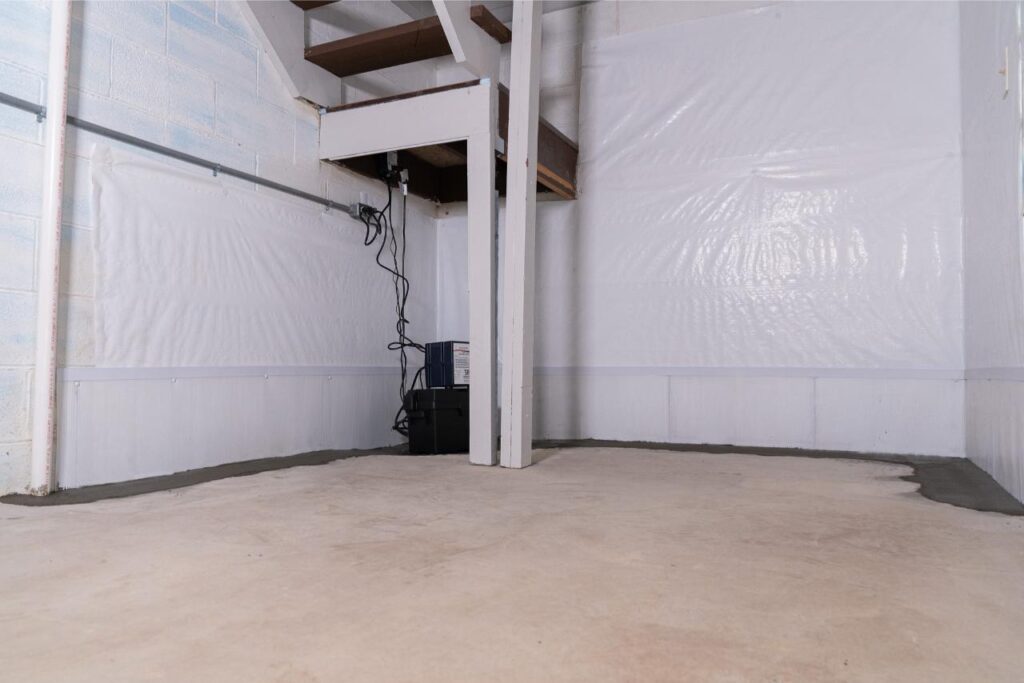
A dry and sturdy basement supports the overall strength of your home. When moisture sneaks in, it quietly damages your property from the ground up. Many Maryland homeowners face this problem due to unpredictable weather and soil conditions that trap moisture near foundations.
Acting quickly helps protect your home’s structure and prevents costly repairs down the road. A reliable solution like water proofing in Maryland ensures your home stays safe, stable, and free of hidden moisture trouble.
Damp Odor Rising from the Basement
A musty smell is one of the biggest warning signs that your basement needs attention. Even if you don’t see visible puddles or wet spots, that odor signals moisture trapped behind walls or flooring. It can lead to mold spread, which affects indoor air quality and health. Ignoring it may invite long-term damage that becomes harder and more expensive to fix. Detecting that odor early can help you decide when to call in professionals for a closer look.
Mold or Mildew Growth on Walls and Surfaces
Mold doesn’t appear overnight, and once it shows up, it multiplies quickly. You may notice dark spots or fuzzy patches on walls, joists, or stored items. This moisture buildup compromises your basement’s cleanliness and creates respiratory problems. Mold can also weaken wooden beams and wall materials nearby. If you notice these patches, it’s time to inspect your drainage and moisture prevention systems.
Cracks in Foundation Walls or Basement Floors
Cracks in concrete might seem small, but they let groundwater enter your home. Narrow lines across the walls, tiny fractures on the floor, or gaps around window frames can all signal structural stress. Maryland’s fluctuating weather and soil conditions can make these cracks expand, leading to further water intrusion. Addressing them right away preserves your foundation’s strength. Sealing and reinforcing these areas keeps unwanted moisture from seeping through the walls.
Water Stains and Discoloration Marks
Brownish or chalky stains on the basement walls are clues that water has already made its way inside. This discoloration shows how high water has risen against walls or where it consistently leaks. If left untreated, it weakens paint, plaster, and concrete surfaces. Water stains may also encourage bacterial growth that thrives on damp surfaces. Once those marks appear, you need to act fast to prevent deeper foundation problems.
Bowed or Bulging Basement Walls
Walls that curve or tilt inward show that outside pressure is pushing against the foundation. Heavy soil and trapped groundwater create that stress, leading to cracks and leaks. A bowed wall must never be ignored because it threatens the safety of the entire foundation. Professional support systems and reinforcement methods can restore stability before it worsens. Keeping the foundation strong is key to avoiding recurring moisture problems.
Standing Water or Puddles After Rain
Puddles forming after every downpour are another alarming signal. They suggest that your drainage system isn’t moving water away from your property as it should. It could mean the sump pump has failed or surface runoff is pooling next to the walls. These puddles create constant dampness, which harms flooring, furniture, and stored belongings. Checking the grading around the property prevents this and stops water from returning to the same spots.
Peeling Paint and Surface Deterioration
When basement paint peels or bubbles, moisture is trying to break through from underneath. The excess humidity interferes with surface adhesion and leaves walls rough or flaky. This may not seem serious at first, but it points to high moisture levels inside the concrete. Over time, the coating loses strength, and deeper material begins to break down. Inspecting these surfaces helps spot leaks before the damage spreads.
Small signs can snowball into serious foundation concerns if ignored. Investing in water proofing in Maryland gives you the confidence that your home can withstand constant moisture changes for years to come. The right professional service protects your home’s air quality, value, and structure. Acting early saves thousands in long-term repair and restoration costs.