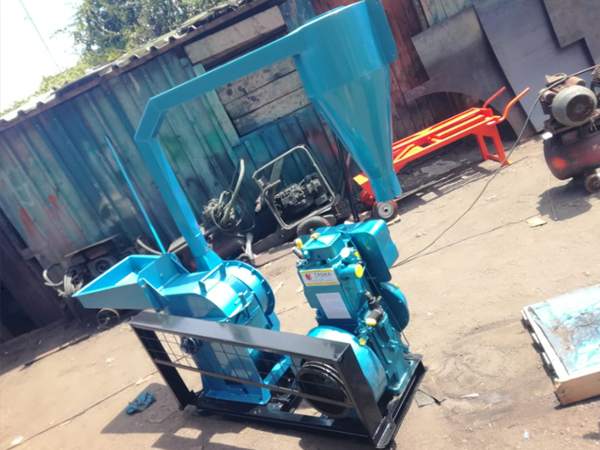
Posho mills play a vital role in Kenyan kitchens and in the entrepreneurial economy alike. They convert maize—Kenya’s dietary backbone—into fine flour while also supplying cash to family budgets. Grasping how to spot the best mill for the fairest price is a key step for anyone wanting to buy.
The cost of these mills affects the family trolley the same way it affects the national balance sheet, so an informed mill purchase becomes an investment in steadier food prices and steady livelihoods. The posho mill prices in kenya is topic that genuinely has national weight. An unenlightened buyer paying too much, in turn, may pass on the cost to neighborhood food prices, a cycle to avoid.
Understanding Posho Mill Prices in Kenya
Posho mill prices in Kenya are not a single figure but a spectrum. Large electric devices, fitted for steady urban power lines, can cost a great deal more than a modest diesel model built for rural zones with on-and-off electricity, so location is key. Power source and output capacity govern the bulk of the price, while brand adds extra weight.
Compact mills for family fling half a basin of maize at a time are cheaper than larger devices that produce bigger output at the same time. Knowing the price range stabilizes the buyer’s budget and allows for a mill that does not compromise on either household need or earnings for neighborhood flour sales.
Factors That Influence Posho Mill Prices
Posho mill prices in Kenya hinge on several overlapping variables. First, gauge and casing quality govern machine longevity and initial outlay; more robust components secure longer service lives, thus commanding a premium. Bigger capacity units housing stronger motors carry higher tags than 5- to 10-kg small hold units. Beyond specifications, logistics pressures in thinly populated or difficult-access regions further swell total costs, as delivery and assembly premiums are added. Duties on imported components, security of spare parts, and trusted supplier networks complete the price picture. Buyers who account for all inputs can balance upfront outlay and eventual savings more effectively.
Importance of Affordable Posho Mill Prices in Kenya
Reasonable posho mill prices are a pillar of both food security and rural prosperity in Kenya. Households that mill on-farm spend less on put-up flour, as transport and milling fees shrink the bargain price at the gate, while savings accumulate on scale. At the same time, the cost threshold shapes the scope of rambutan milling microenterprises; lower initial capital enables more women and youth to serve the expanding local demand for affordable fortified flour. Each new mill generates work for the attendant technician, scale-up sellers of spare parts, and commercial transport suppliers, amplifying the economic spillover effect. Affordable milling thus marries personal budgets to the wider rural economic health, strengthening the food supply ironclad.
How to Snag the Best Posho Mill Bargains
To land a well-priced posho mill in Kenya, resist snapping up the first tempting deal. Make your way to local showrooms, comb online classifieds, and contact the manufacturers directly; varying channels reveal varying prices. Keep an eye out for seasonal clearances, promotional packs, and gently used mills that still show no wear. If you plan to manage the milling yourself, expect to negotiate; sellers often drop the price for cash or for larger units, shrinking your final outlay.
Why a Small Extra Cost Beats a Small Cost Mill
The sticker shock of a cheaper model is enticing, until its shortcomings bite. A brittle mill that breaks often drags you through repairs, halts production, and nibbles profit daily. Whether you run a business or a homestead, you need a rig that keeps grinding, sips less electricity, and rolls on for a decade. Spending a little extra on a solid, efficient mill is not an expense—it is a safety net for tomorrow’s earnings, because the little you might have saved, you will not have long before the clear line that you are on is because you will be planning your mill no longer, or future colored plans. So, don’t hunt only for the cheapest price; hunt for the best value, measured in cash saved, energy used, and peace of mind earned.
Future of the Posho Mill Market in Kenya
Kenya’s expanding population is creating constant upward pressure on the need for locally milled maize flour, and, as a result, the posho mill business in kenya is on a continuing upward trajectory. Owners pursuing new lines of posho milling capacity can, therefore, expect an attractive window of opportunity. Ongoing volatility in maize supply, coupled with escalating power rates, introduces a significant, potentially upward pressure on both flour and milling charge-out rates. Notably, technical innovations such as high-efficiency drive systems and basic process automation offer a credible pathway to dampen and, on occasions, reduce the net investment and operating burden of fresh milling assets within the upcoming investment cycle.
Closing Thoughts
Even with favorable prospects, a prudent funding framework for smallholder and satellite posho mills in Kenya will only crystallize if procurers commit to a structured market assessment that balances unit cost, milling capacity, effective energy use, and the reliability track record of the proposed original equipment manufacturer. For households, smallholder processors, and trading businesses alike, good milling capacity is a precondition for affordable and fortified maize flour, so lending officers, taxpayers, and energy planners have a stake in transparent price discovery. Future entrepreneurs must also internalize the coming tighter energy and maize price regimes. A relatively low capital outlay for a durable solution protects both household budgets and bank loan repayment streams by preserving positive margins. Consequently, when millers lower the effective price of flour, they indirectly enhance national food security and catalyze rural wealth.