Running a successful dairy business today hinges on speed, reliability, and the right gear. For many producers, the cow milking machine is the heart of the operation. As the herd swells and market demand climbs, hand milking isn’t just slow—it risks errors that tight margins won’t allow. An efficient milking system trims labor while enhancing milk quality, cow comfort, and plant performance. The trick is choosing the right plant setup, which is the launchpad for maximizing margins and ensuring the enterprise is ready for tomorrow.
Start with Stock and Stretch Targets
Outline your barn size, cow count, and production targets. A compact operation milking twenty heads in a tie stall may benefit the most from a portable, single-bucket system that hops from stall to stall, delivering speed and flexibility without expanding the facility footprint. In contrast, larger herds requiring routine outputs of thousands of liters daily need either an in-line pipeline setup or a rotary or herringbone milking parlor to allow several animals to milk and shorten the land at once. Your workflow, labor availability, and financing options will be key to whether to purchase a simple or a robust, fully automated system.
Types of Milking Machines Available
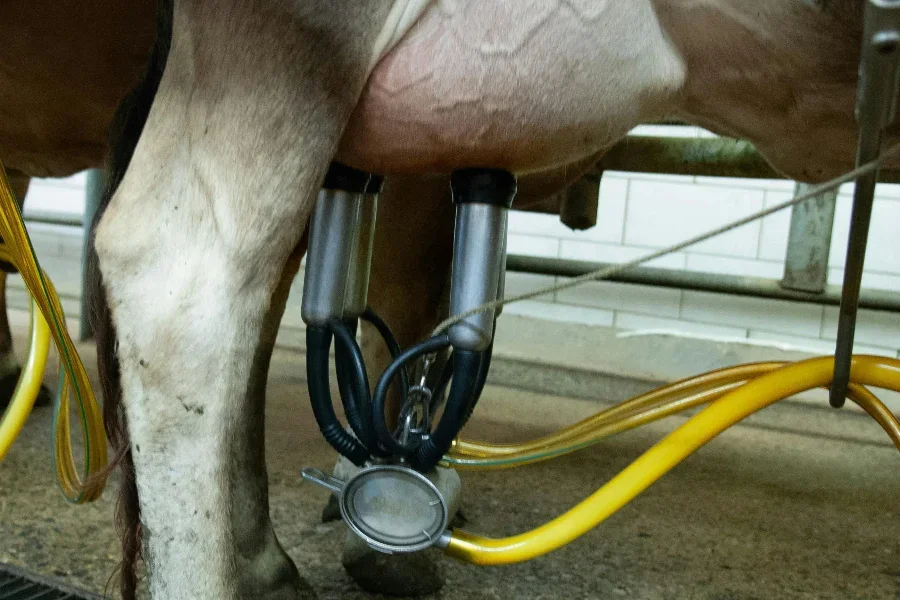
Farmers have a range of milking machines suited to different scales of operation. Bucket milking machines work best for small to medium herds; their portability lets you milk cow by cow without hassle. In contrast, a pipeline system runs milk straight from the cow to a central tank; this is a more efficient setup for larger herds where saving time with every milking counts. When you need to combine speed with efficiency, rotary parlors stand out. Their circular layout allows dozens of cows to be milked at once while rotating in a subtle, endless loop. Choose a model based on your total herd, the footprint of the milking shed, and what the budget can stretch to.
Key Features to Look for in a Milking Machine
Prioritize the right specifications when shopping for a milking system. A dependable vacuum source, snug teat cups that stay aligned, and a flexible pulsation control keep the milking process secure for cows. Look for machinery that lets you adjust those vacuum and pulsation levels, so smaller and larger cows can be accommodated with less risk to their teats. You should also favor units that are easy to disassemble and clean; the time saved on these chores translates directly into milk quality, protecting both profits and herd health.
Importance of the Cow Milking Machine
There’s no denying that the milking machine ranks as one of the most vital innovations within today’s dairy enterprise. These units do far more than lighten the daily workload; they shave hours off the routine while repeating the milking cycle precisely every time. That reliability protects udder health, unlocking the genetic milk potential of the herd. By standardizing vacuum levels and pulsation rates, they also limit peaks in the living udder tissue that can invite infections and discourage cows from repeating estrus. The shift of the dairy parlor from the barn into a stainless-steel, sealed chamber further guards’ milk from udder to tank, plummeting the risk of contamination. As udder immune response improves and infections fall, the herd enjoys daily performance gains that add directly to the farmer’s bottom line.
Balancing Cost and Quality
Skimping on a milking line may seem economical at first glance, but it usually translates to compound daily losses every month thereafter. Budget units sport fragile components that rust, hoses that tear, and vacuum pumps that slog in the first season. Rework, compromised cow comfort, and even milk beta-lactam levels do not pay for the so-called savings. Instead, buyers invest in stainless-steel liners, reliable controls, and well-reviewed pulsator parts. The right unit breathes a five- to eight-year service lifespan, provided it’s fed daily cleaning and no more than that idiot of flush frequency. Buyers should document not simply the purchase price but also the service-report sheet, regional stock of critical components, and warranty promise that goes the first calendar in. Only the health, herd, milk, and wallet benefit from such informed diligence.
Maintenance and Training for Effective Use
Even the most advanced cow milking machine needs regular upkeep to perform at its peak. Daily cleaning and sanitizing blocks bacterial growth, while periodic servicing keeps the working parts running smoothly, sparing the cows any stress. Equally important, milking staff receive proper training, so the equipment is handled wisely. Well-trained operators keep the cows calm, operate the machine at the right settings, and collect milk hygienically, which preserves high quality for both farm-repackaged and industrial clients.
Conclusion
Investing in the right cow milking machine triply compounds the value for any dairy farm: efficiency, profitability, and animal wellness. Start by scanning your farm’s unique pattern of flows, then survey the running costs of rotary, herringbone, or parallel types. Pick quality pumps, pulsators, and milk line insulation before sealing the deal, and watch for suppliers who equate price only to plastic viewed beside steel. The milk vacuum creates speed, minimizes contagions, gives cows a consistent routine, and lifts daily yields. You can think of the decision as a contract: nurture the units with diligent checks, and teach the team, and you’ll repay the purchase price year after year while your bottom line can ride the up ramp.