SU meaning in text commonly stands for “Swipe Up,” especially on platforms like Snapchat and Instagram Stories. It’s used to prompt users to take action—typically to swipe up on a story to access a link, product, or more content. Influencers, brands, and content creators often use “SU” to increase engagement and direct traffic.
Beyond social media, “SU” might also mean “Shut Up” in casual or joking text conversations, depending on the context. It’s a short, versatile acronym that has become part of the digital slang used widely by younger audiences online.
What Does SU Stand For in Messaging?
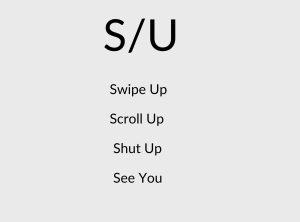
In messaging, SU most commonly stands for “Shut Up.” It’s used to express disbelief, surprise, or even light-hearted annoyance in a conversation. While the phrase may seem blunt, it’s often used in a playful or teasing tone. In some cases, SU can also be interpreted as a way to express mock shock or exaggerated astonishment when someone shares surprising or amusing information.
For example, if a friend tells you a funny or unbelievable story, you might reply with “SU!” to indicate that you’re impressed or jokingly telling them to stop because their story is so wild. It’s typically used in informal settings and can come across as humorous when used in the right context.
Common Uses of SU in Text Conversations
The abbreviation SU can be seen in many casual conversations, particularly in texting and online chatting. Here are some common ways people use SU in text conversations:
- Expressing disbelief or surprise: When someone shares surprising or unexpected news, SU can be a way to react to their statement with playful disbelief.
- Teasing friends: It’s also used in a joking manner to tease someone, especially when they say something exaggerated or funny.
- Responding to an outrageous comment: If a person shares something that seems too wild to be true, you might reply with SU to show your astonishment.
- Light annoyance: Sometimes, SU is used when someone is being too persistent or saying something that’s a little too much, though it’s often playful in nature.
Overall, SU is used in informal settings and adds a layer of personality to text-based conversations, making them more engaging and fun.
Origins of the SU Abbreviation
The abbreviation SU has evolved from the full phrase “Shut Up” and became a popular term in digital communication over time. It gained traction particularly in the early days of instant messaging and online chatting when people sought ways to shorten phrases for faster communication. The phrase itself has been around for quite some time and is often associated with playful teasing or dramatic expressions of disbelief. The use of SU in texting grew as internet culture leaned toward brevity and informal communication. Over time, SU became widely recognized as a shorthand that people use to convey a range of emotions, from light annoyance to exaggerated surprise.
SU Meaning in Social Media and Online Chat
On social media platforms and in online chats, SU is commonly used to react to surprising or shocking content. Whether it’s a post on Twitter, a comment on Instagram, or a message on Snapchat, SU serves as a quick and easy way to express disbelief or admiration without having to type a long response. It’s especially popular among younger users who often engage in fast-paced conversations. Here’s how SU might appear in online interactions:
- In comments: A user might post something outrageous or funny, and others might reply with “SU!” to express amazement or amusement.
- In group chats: When friends share something hilarious or unbelievable, SU might be used to exaggerate the surprise or humor.
- On social media stories: People might use SU to comment on shocking news or unexpected updates shared by others.
In this context, SU functions as a shorthand to react quickly and with emotion, perfect for the informal nature of social media.
How SU Differs from Other Text Abbreviations
SU is part of a larger set of text abbreviations used to communicate quickly and express emotions. While it shares some similarities with other abbreviations, it stands out for its casual tone and specific usage. Here’s a comparison with other common texting abbreviations:
| Abbreviation | Meaning | Context |
| SU | Shut Up | Used for disbelief, surprise, or teasing |
| LOL | Laughing Out Loud | Expresses laughter or something funny |
| OMG | Oh My God | Used to express shock or surprise |
| SMH | Shaking My Head | Used to express disbelief or disappointment |
| ROFL | Rolling On the Floor Laughing | Indicates something is very funny |
Unlike abbreviations like LOL or OMG, which express reactions to humor or surprise, SU is more specific to a playful or exaggerated disbelief and often carries a hint of teasing.
How to Respond When Someone Uses SU
When someone uses SU in a conversation, your response will depend on the context and tone of the chat. Here are some ways you can respond:
- Playful response: “Haha, I know, right? Crazy!”
- Joking reply: “SU? Nah, I’m serious! 😉”
- Surprised response: “I know! I couldn’t believe it either! 😱”
- Casual response: “Haha, I thought you’d say that! 😆”
Responding with humor and a lighthearted attitude keeps the conversation flowing and matches the casual nature of the abbreviation. Since SU is often used in playful or teasing situations, keep your tone fun and engaging.
The Popularity of SU Among Young People
The abbreviation SU has gained significant popularity, especially among young people. Its use has become widespread in text messaging and social media platforms, where speed and brevity are essential for communication. Teenagers and young adults enjoy using SU because it allows them to express disbelief, surprise, or humor in a playful and concise way. The informal nature of SU makes it ideal for casual interactions, whether in group chats with friends, comments on social media posts, or flirty exchanges in online dating. Its popularity is also fueled by internet culture, where emojis and abbreviations are a quick and easy way to react to information without having to type out long responses. As younger generations continue to embrace online communication, SU remains a go-to expression for digital natives.
SU in Different Contexts (Casual vs Formal)
SU is widely recognized as a casual abbreviation and is best suited for informal settings. It’s a shorthand way to express shock, surprise, or light teasing among friends and peers. However, when considering its usage, it’s important to differentiate between casual and formal contexts:
- Casual Conversations: In texting, social media comments, and online chatting, SU is used freely and casually, where its meaning is understood within the tone of a conversation. For example, if someone shares an unbelievable story, replying with SU is a playful and fun way to express amazement.
- Formal Conversations: On the other hand, SU is inappropriate in formal situations, such as professional emails, job interviews, or discussions in academic or corporate settings. Using such an informal abbreviation in these contexts could be seen as unprofessional or disrespectful, as it undermines the seriousness of the conversation.
Understanding the appropriate context for SU ensures that it is used correctly and doesn’t come off as inappropriate or out of place.
Misunderstandings and Clarifications of SU
While SU is popular, it’s not always understood the same way by everyone. There are a few common misunderstandings associated with this abbreviation:
- Aggressive Tone: Some individuals may interpret SU as harsh or offensive, especially if they aren’t familiar with internet slang. Shut Up, the full form, can sometimes sound rude or impolite in certain situations, leading to confusion about whether the message was intended to be hurtful.
- Misinterpretation: In some cases, SU could be misunderstood as someone telling another person to be quiet seriously, rather than expressing surprise or shock. It’s important to consider the tone and context to avoid misunderstandings, especially when communicating with people who may not be familiar with such abbreviations.
- Overuse: When used too frequently, SU might lose its impact and come across as insincere or overly dramatic. In such cases, it’s important to balance the use of SU with more thoughtful and varied responses to maintain a healthy flow of conversation.
Regional Differences in Using SU
The usage of SU can vary greatly depending on region and culture. In English-speaking countries, it’s widely recognized among young people, but there are some regional differences in how and when it’s used:
- United States: In the U.S., SU is common among teenagers and young adults, especially in texting and social media contexts. It’s often used in playful or casual conversations.
- United Kingdom: In the U.K., while SU may be understood, it isn’t used as frequently as it is in the U.S. People in the U.K. might prefer using expressions like “Shut up!” or “You’re kidding!” in informal situations.
- Australia and Canada: Similar to the U.S., SU is widely used in Australia and Canada, particularly in texting and online interactions. The phrase may even carry a more humorous or sarcastic tone in these regions.
- Other Countries: In non-English-speaking countries, SU may not be as common, and people may not immediately recognize its meaning, particularly if they are not familiar with internet slang or English-based abbreviations.
Understanding these regional differences is crucial when communicating online, especially if you’re engaging with people from different cultural backgrounds.
Frequently Asked Questions About SU Meaning in Text
What does SU stand for in text messages?
SU stands for “Shut Up” in text messaging. It’s used to express surprise, disbelief, or playful teasing in casual conversations.
Is SU an offensive abbreviation?
While SU can sound harsh, it is typically used in a lighthearted or playful context. However, if used in a serious tone, it may come across as rude or impolite.
Can I use SU in formal conversations?
No, SU is too informal for professional or formal settings. It should only be used in casual and familiar conversations with friends or peers.
Is SU used globally?
While SU is recognized in many English-speaking countries, its usage can vary. It is most commonly used in the U.S., Canada, and Australia, but may not be as prevalent in other regions.
How do I respond to SU?
Responding to SU depends on the tone of the conversation. A playful response like “I know, right?” or “Haha, I was shocked too!” works well. Keep it lighthearted to match the casual nature of the abbreviation.
Conclusion on SU Meaning in Text
In conclusion, SU is a widely used abbreviation in casual texting and online interactions, particularly among young people. It’s a playful and concise way to express surprise, disbelief, or teasing, making it a popular choice in informal conversations.
However, like all abbreviations, it should be used in the right context. SU is perfect for casual chats, but should be avoided in formal or professional settings. By understanding how and when to use SU, you can keep your conversations both fun and respectful, ensuring that your communication remains appropriate and engaging.