What Is a Limited-Edition Racing Merch?
Ever wonder why a must-have racing jacket disappears from stores faster than a pit stop? That’s the power of limited-edition racing merch. A “limited drop” or “limited run” is a planned release of products that are scarce by choice.
Stedman Cleveland, CEO & Co-Founder of Aura, describes it as selling out “fast and serendipitously.” These items aren’t kept in stock all year. They’re one-off or short-window releases made to spark buzz and quick buying.
This is different from an “always-on” model where stock is constantly available. Limited drops stay live for a short time or until a small batch sells through. When they’re gone, they’re gone.
Brands like Supreme helped shape this approach so every release feels special and highly sought after. It builds excitement and demand while cutting the risk of overproduction and leftover inventory.
Types of Racing Merchandise Released in Limited Quantities
Limited racing drops cover far more than tees and caps. Fans can find a wide range of pieces that speak to motorsport culture, such as:
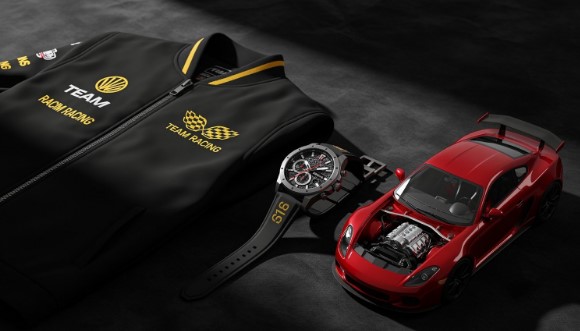
- Apparel: exclusive team jackets, designer sneakers, custom hoodies with one-time graphics or milestone badges
- Accessories: special watches, numbered keychains, unique sunglasses
- Collectibles: die-cast cars, signed gear, limited art prints, and race-used parts, suits, or helmets (often repurposed by sites like F1 Authentics)
These releases often mark big wins, anniversaries, or partnerships, which boosts their appeal and value. If you follow the seven-time champion, you might hunt for exclusive Lewis Hamilton merch & apparel that honors his career.
What Makes Limited-Edition Racing Merch So Desirable?
Exclusivity and Collectibility
The pull of limited merch comes from rarity. People like owning things that are hard to get. When quantities are small, items feel special and carry extra status. It’s about having something few others will ever own, which triggers a strong urge to buy.
This rarity turns merch into real collector items. Companies like Limited Run Games build their model on this idea: when pre-orders close or set numbers sell out, that’s it. This “one-and-done” plan drives a lively resale scene and keeps collectors hooked.
A cap signed by a favorite driver or a jacket from a title season isn’t just clothing; it holds stories and memories, which raises both emotional and money value far beyond the original price.
Authenticity and Official Licensing
In a market full of knockoffs, the appeal of officially licensed gear is huge. Fans want the real thing. Official items usually mean better materials, strong stitching, and accurate details that reflect team standards.
Designs often use clean lines, smart touches, and comfortable fabrics that echo the feel of racing.
There’s also meaning behind the purchase: part of the money goes back to teams and drivers, helping pay for research, development, and salaries. This support tightens the bond between fans and the sport. Buying official gear means you’re backing your heroes with more than just cheers.
Quality and Design Features Inspired by Racing
Limited racing merch goes beyond logos. The best pieces use careful design choices drawn from racing tech and style. You’ll see durable fabrics, ergonomic cuts, and performance details that reflect the pace and precision of the track. Think of sleek, car-like lines in a jacket cut, or moisture-wicking materials used in pro racewear.
Brands often team up with designers to blend racing heritage with current fashion. That way, fans can wear their passion day to day without giving up style. Bold livery color blocks, subtle carbon-fiber textures, and precise stitching inspired by driver suits all lift these pieces beyond basic fan gear.
The aim is gear that feels good, works well, and looks sharp-just like racing itself.
Why Do Limited-Edition Racing Merch Drops Sell Out Fast?
Scarcity and the Power of FOMO
The main reason is planned scarcity. As Supreme’s James Jebbia said, “…if we can sell 600, I make 400.” Making less than demand pushes desire higher. This taps straight into FOMO-the fear of missing out. When people think an item is rare and may slip away, they act fast. Studies show 60% of millennials make a reactive purchase within 24 hours of feeling FOMO.
This setup creates a “buy now” impulse because there may be no second chance. “Limited-time” and “small-quantity” labels add to the pull. Some Bear Walker skateboard releases, even at premium prices, sell out in as little as 45 minutes, with fans blocking off time just to try to buy. It’s not just wanting the product; it’s the rush of landing something rare before it’s gone.
Fan Community and the Drive to Stand Out
Racing has a strong global community. Team gear is a clear way to show identity and support. A Ferrari polo or Mercedes-AMG jacket isn’t just style; it’s a statement. Limited pieces raise that signal even higher. Owning a rare item shows deeper dedication-a sign you’re “in the know” and quick on the draw.
This feeling of belonging, plus the wish to show passion, pushes action. Drops become shared moments that bring fans together, both at races and online. Wearing a limited piece says you’re a committed member of the racing family and sets you apart from standard merch owners.
Emotional Value and Connection to Racing Moments
Racing is full of highs and lows. Limited items often tie to those big moments, which gives them extra emotional weight. A special drop for a title win, a driver milestone, or a famous race becomes a keepsake right away. Fans aren’t just buying a tee or cap; they’re buying a slice of history and the feelings that come with it.
These items become personal markers. Gear from a first race or a dramatic season carries memories you can wear. The limited nature adds meaning because it marks a time and place that won’t repeat.
Collaborations, Special Events, and Race-Exclusive Items
Another big driver is timing and format. Collaborations with fashion labels or artists, event-only merch, and race-exclusives offer something truly distinct. These crossovers blend fan bases and create heavy hype. They’re often made in tiny numbers, which speeds up sell-outs.
Event drops-like Grand Prix specials or anniversary pieces-carry extra prestige. Unique designs or badges tied to a specific venue or date make them prime souvenirs. A shirt sold only at one track becomes proof you were there, which pushes demand. Fans act fast because these items link to memories that can’t be copied.
How Does Marketing Fuel Rapid Sell-Outs?
Social Media Announcements and Influencer Buzz
Social media powers fast sell-outs. Brands use Instagram, TikTok, and Facebook to build suspense before drops. They tease details, share clips, and poll fans, turning a launch into an event. Strong visuals and quick videos keep items front and center.
Influencers play a big role too. When drivers, racing hosts, or lifestyle creators wear new limited pieces, followers want in. This spreads fast, reaching far beyond ads.
With many shoppers discovering and buying through social platforms, these channels are perfect for building hype-especially for younger fans drawn to racing by shows like “Drive to Survive.”
Countdowns and Urgency in Merch Drops
Brands also use countdowns and clear time limits to push quick decisions. Drop pages often show timers that raise excitement and remind fans the window is short. Clear cutoff times or “last chance” notes add pressure to buy now.
When fans know stock is tiny or time is short, impulse buying goes up. It’s smart use of buyer psychology: the pride of getting a rare item, combined with warnings that it won’t last, leads to sell-outs in record time.
Resale Market and Secondary Value
A strong resale market adds even more heat. When items sell for much higher prices right after release, buyers see a chance for profit. This attracts both fans and resellers. With brands like Supreme, items can sell out in seconds, helped by “thousands of bots” trying to flip products. A Supreme Kermit tee that cost $44 might resell for $200.
This creates a sense that buying at retail is a smart move with upside. While it can frustrate real fans who miss out, it boosts the initial rush. Knowing an item may hold or rise in value makes people click faster, turning drops into events that vanish in minutes.
What Are the Benefits and Drawbacks for Fans and Brands?
Building Brand Loyalty and Community
For teams and brands, limited drops build strong loyalty and a tight community. Regular, unique releases keep fans excited and coming back. Each drop tells fans there’s “something new soon,” which keeps attention high and turns casual buyers into active followers.
Winning a drop and wearing the prize creates shared stories. It gives fans a reason to talk and a clear badge of support. For teams, this means a base that buys, promotes, and wears their colors with pride-fueling both culture and revenue.
Risks of Missing Out and Frustration
There’s a downside for fans. Scarcity means many supporters miss items they want. Repeated misses-sometimes to bots or faster connections-can cause real frustration and even make people feel left out.
That constant pressure to act fast can overwhelm the fun of following racing. A poor fan experience-like a hoodie selling out in seconds-can turn excitement into annoyance. Brands need to balance hype with fair access so loyal fans don’t feel shut out.
Impact on Pricing and Accessibility
Limited models also affect price and access. With short supply, brands can charge more because rarity raises perceived value. Official F1 gear is known for high prices: tees up to $70 and caps near $50, sometimes more than a race ticket. Great for team income, but tough for fans on a budget.
Fast sell-outs push many items to resale at higher prices, making access even harder. Fans who miss the first window must either pay steep markups or skip the item. This can create a split where only the quickest or those willing to spend more can get certain pieces.
Final Thoughts: The Ongoing Appeal of Limited Racing Merch
The speed at which limited racing merch sells out is clear proof of how passion, psychology, and sharp marketing come together. The chase can feel almost as exciting as winning the item, and a simple jacket can carry the hopes of a season. As racing reaches more people-especially style-focused fans-the hunger for unique, collectible pieces will keep growing.
What’s next? Expect fresh formats: NFC tags that give access to digital extras, AR drops at race venues, and more eco-friendly materials in future lines. Personalization may grow too, letting fans put their own stamp on pieces.
In the end, limited racing merchandise is about more than what you wear. It’s about what you feel, where you belong, and the stories you carry from the rush of racing.