If you run a cleaning business, you are part of an industry that has quietly become enormous. Data from Grand View Research shows that the global cleaning service industry was worth over $415.93 billion in 2024. With its CAGR of 6.9%, it’s set to hit over $616.98 billion by 2030. That kind of growth brings opportunity, but it also brings exposure to risk that many owners underestimate early on.
Workers’ compensation insurance exists to protect both you and your employees when injuries happen on the job. In most states, it is mandatory and covers medical expenses, lost wages, and rehabilitation costs. It also operates under doctrines like the exclusive remedy rule, which generally prevents injured workers from suing their employer directly.
That legal protection is a big reason these policies matter so much. To understand why policy details matter, it helps to understand this niche a little more in detail, so let’s explore further.
What Are the Most Common Injuries in the Cleaning Industry?
As 2025 data from the Bureau of Labor Statistics shows, there were over 2.6 million non-fatal workplace injuries and illnesses in 2023. Thankfully, cases that took employees out of work have been decreasing. (A rate of 0.9 cases/100 workers compared to 1.2 cases/100 workers the previous year.)
However, these points refer to injuries in general and don’t account for the specific challenges of the cleaning industry. These jobs involve physical tasks that put real strain on the body.
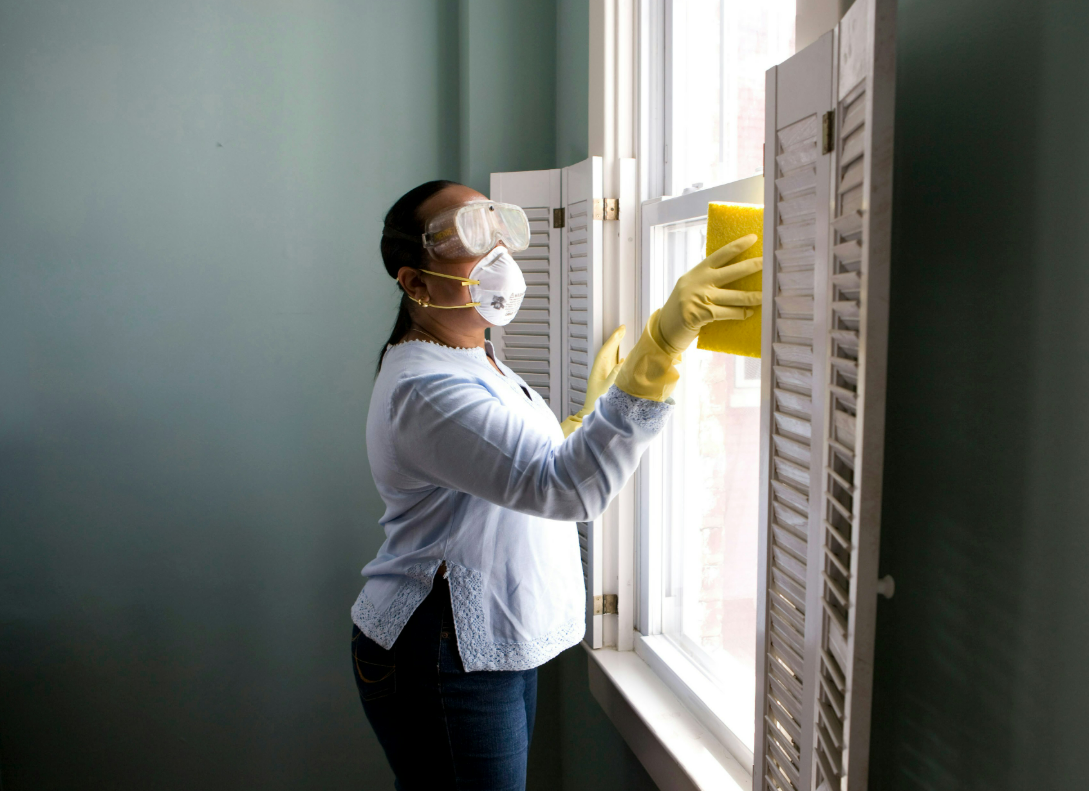
Mopping and floor washing increase the risk of slips and falls. Lifting vacuums, buffers, and trash bags can stress the back and shoulders, and exposure to chemicals can irritate the skin and lungs.
So, what kind of injuries do these cause? Well, data from a 2024 report showed that musculoskeletal disorders accounted for 25% of all claims. Likewise, falls accounted for another 24%. It also noted that the majority of the claims were filed by women between the ages of 25 and 44.
What Are the Key Features of a Strong Worker’s Comp Policy for Cleaning Businesses?
Workers’ compensation insurance for cleaning business operations needs to be tailored, since the risks cleaners face look very different from those in many other industries. Typically, wage replacement usually pays about two-thirds of an employee’s average weekly wage while they are unable to work. Likewise, disability payments and vocational rehabilitation are also essential, especially when injuries prevent a return to the same role.
For cleaning businesses, standard coverage often is not enough. Cleaning specific riders can make a real difference. You will want coverage for occupational illnesses, such as dermatitis or respiratory irritation, especially if chemicals are part of daily work.
Moody Clean Insurance also recommends coverages like general liability insurance, janitorial bonds, and property and equipment coverage. Policy structure matters as well. Guaranteed cost policies offer predictable premiums, which helps with budgeting. Similarly, loss-sensitive plans reward strong safety records but carry more variability. You really need to understand these tradeoffs.
Classification codes also influence pricing. NCCI codes like 9410 for janitorial services affect how insurers calculate risk. These rates can vary widely between carriers, so it pays to shop around. Remember, many providers offer savings when workers’ comp is bundled with general liability.
How To Evaluate and Select the Best Policies?
Choosing the right workers’ comp policy works best when you follow a clear process. Start by assessing your own operation. Look at how many employees you have, where they work, and which tasks carry the highest risk. A small residential cleaning crew and a large commercial operation face very different exposures.
Next, compare quotes from multiple insurers. Independent agents and online comparison tools can both help. Pay close attention to your experience modification factor. A mod below 1.0 usually lowers premiums, while a higher number increases them. This single figure reflects your claims history more than almost anything else.
Insurer stability is another factor that often gets overlooked. An AM Best rating of A or higher suggests the company can reliably pay claims. Once you narrow your options, do not be afraid to negotiate. Many insurers offer safety credits ranging from 5 to 15 percent for documented training programs or return-to-work initiatives.
What Risk Mitigation Strategies and Investments Are Recommended?
There are many areas that cleaning companies are investing in to reduce risk, with some increasing efficiency in the process.
According to Delia Cannings, Chair of the British Institute of Cleaning Science, cleaning robots in this industry are becoming increasingly common. Likewise, UV tech, IOT, and data analytics have great potential.
Otherwise, training programs remain one of the most effective strategies you can use, especially in the cleaning industry. Ensure workers participate in annual sessions on ergonomics and proper use of personal protective equipment.
This helps build a sort of safety-focused culture that’s not just about posters on the wall. Instead, it comes from how supervisors respond seriously to even small incidents. A safety-focused culture encourages employees to slow down when conditions are risky and speak up without fear of blame.
Frequently Asked Questions
1. What type of insurance is best for a cleaning company?
For most cleaning companies, workers’ compensation and general liability are the core essentials. Workers’ comp protects you if an employee gets hurt on the job, while liability covers property damage or accidents involving clients. Many businesses also add commercial auto if vehicles are used.
2. What is the most common injury from housekeeping?
Musculoskeletal injuries are the most common, especially back, shoulder, and wrist strain. These usually come from repetitive tasks like mopping, scrubbing, lifting equipment, and bending for long periods. Slips and falls are also very frequent, particularly on wet floors.
3. Is workers’ compensation insurance really needed?
Yes, in most cases, it is both legally required and financially smart. Cleaning work carries physical risk, and one injury can lead to medical bills and lost wages. Workers’ comp protects your employees while shielding your business from costly lawsuits and disruptions.
All things considered, running a cleaning business in a fast-growing industry brings both opportunity and responsibility. However, injuries in your team can quickly complicate things. This is why understanding your industry, the injuries it causes, and knowing your coverage needs are critical.
If you have not reviewed your policy recently, now is a good time. Talk with a broker who understands cleaning operations, audit your current coverage, and look for even one improvement you can implement right away.