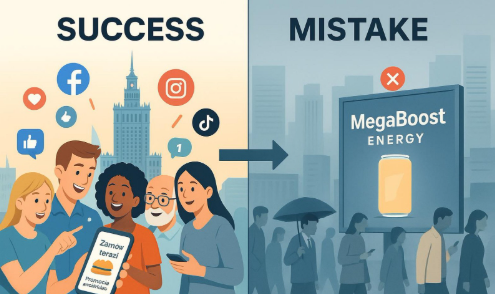
As companies look to grow beyond their home countries, new markets look exciting-but the road is rarely simple. A key question is: how much should business practices change in each new place? The clear answer: local insight matters most. Knowing the local rules, habits, humor, and expectations can make the difference between a hit product and a public misstep, or between a loved campaign and one that offends.
Skipping this work can waste money and harm your brand. For example, in Poland, teaming up with a specialist social media agency in Poland brings real local know-how, helping your campaigns fit the culture and connect with people in a genuine way.
Assuming that what works at home will work everywhere is a common mistake. Laws, politics, money matters, buying habits, culture, and competition vary widely and affect your plan. Deep local understanding is needed to shape products, marketing, and operations so they speak to real people and help you stand out.
What Is Local Insight in Market Entry Campaigns?
Local insight means a clear and detailed view of how people in a specific area live, buy, and think. It covers culture and values, money realities, rules, and who you are up against. It is more than translating words. It is a close look at daily life: what matters to people, what drives their choices, and how they relate to brands.
It helps you spot things like pricing limits in lower-income areas or topics that might offend in some cultures. Local insight goes past surface facts to find deeper motives and unwritten rules. With that, you can adjust offers and messages so they feel real and relevant to local buyers.
How Does Local Insight Differ from General Market Research?
General research gives a wide view: market size, trends, and broad demographics. Local insight goes deeper into details unique to one place. General research may say there is demand for your category. Local insight explains why demand is strong in a specific city, which product variations people prefer, who the local rivals are, and which cultural issues matter in marketing.
Think of general research as the map and local insight as the street signs, shortcuts, and walking paths. It covers the small details-local slang, holidays, shopping routines, and humor-that broad data often misses. This level of detail helps plans fit real life on the ground.
What Sources Provide Reliable Local Insight?
You can collect local insight using both numbers and stories. Start with surveys, focus groups, and competitor reviews built for the target area. Then add voices from the ground.
| Source | What You Get |
| Surveys and focus groups | Preferences, motives, reactions to messages |
| Competitor analysis | Pricing, offers, channel mix, positioning |
| Local experts/agencies | Cultural cues, risks to avoid, proven tactics |
| Local hires | Everyday norms, language use, customer pain points |
| Customer feedback and social listening | Real-time needs, trends, sentiment |
| Employer of Record (EOR) | Legal hiring help plus pay norms and talent insights |
Partnering with local consultants, distributors, or agencies adds context that data alone misses. Hiring people from the market brings daily know-how into your team. Direct chats with customers and watching social channels show what people need and how they talk. EOR services help with hiring across borders and also share insight on pay ranges, talent supply, and work culture in the area.
Why Local Insight Improves Market Entry Success
Local insight connects a global brand with local people. It helps a brand fit in, be welcomed, and grow for the long term. Without it, teams guess in the dark and risk pushing customers away.
- Fewer mistakes and less risk
- Messages that feel relevant
- Faster learning and better results over time
- Stronger loyalty and profit
Reduces Cultural Barriers and Missteps
What works in one culture can be off-limits in another. Without local knowledge, brands can offend, lose trust, and harm their name. Literal translation often misses tone and can turn a smart line into something awkward or rude. Humor and wordplay rarely carry over cleanly.
With local insight, teams can make sure words, images, and timing fit local norms. This includes customs, traditions, and the social climate. Ignoring local events or holidays makes a brand look out of touch. Local input helps teams handle these local issues with respect and care, leading to a warmer welcome.
To ensure your message truly connects with Polish audiences, it’s worth partnering with All 4 Comms — an experienced communications agency that helps international brands tailor PR, social media, and content marketing campaigns to the Polish market with cultural precision and impact.
Builds Brand Relevance and Appeal
People want content that feels personal and reflects their culture and language. A global one-size-fits-all campaign often lacks local meaning. Many buyers are more likely to choose brands that speak to their location and values.
By adapting products, packaging, and messages to local tastes, brands increase their pull. McDonald’s shows this well, adding items like McSpaghetti in the Philippines and paneer burgers in India while keeping its core identity. Moves like this show respect for local tastes and make the brand feel closer to people.
Supports Effective Communication and Messaging
Good market entry needs clear, relatable messages. That means going beyond translation to “transcreation,” so each market feels the same emotion and meaning. Experts adjust language to match local ideas about drive, pride, or success-like how Nike adapts “Just Do It” across languages while keeping the spirit.
Local insight also guides where and how to speak. People use media differently by country. Short video might lead in Southeast Asia, while long-form articles suit parts of Europe. Knowing this helps teams pick the right channels and formats, which leads to stronger engagement.
Increases Speed and Agility in Execution
Speed matters. With local insight up front, teams avoid delays from cultural clashes, rule surprises, or wrong guesses about what people want. Instead of slow trial and error, they make informed choices and adjust quickly.
Building local research skills in-house or working with local agencies helps leaders move with local trends. That shortens research cycles and helps launch data-led, relevant campaigns faster. Performance marketing that uses local signals can shift in real time with market changes, protecting spend and spotting new chances. This flexible way of working helps teams respond fast to changing market conditions.
Risks of Ignoring Local Insight in Market Entry
Chasing global growth can lead teams to skip local detail and try a one-size-fits-all plan. That choice can cause real harm. The risks are clear: wasted budgets, weak sales, and long-lasting damage to brand reputation.
Brands that do not adapt look tone-deaf, irrelevant, or offensive. Campaigns fall flat, products miss the mark, and exits come early and at high cost. Assuming home-market success will repeat everywhere is one of the biggest risks in expansion.
Case Studies of Failed Campaigns due to Lack of Local Understanding
Many brands have stumbled by ignoring local norms. A fast-food chain once pushed a popular item into a region with strong religious rules on diet and offered no alternative. The effort met backlash and losses.
Another well-known case: a car model name that sounded offensive in a Spanish-speaking market. Sales suffered. Small language slips and cultural misses can cause big problems, showing the need for careful local understanding.
Common Pitfalls: Misinterpretation, Offense, and Low Engagement
Common problems include:
- Misinterpretation: Literal translation removes tone and meaning, so value gets lost.
- Offense: Taboos, politics, or faith can be crossed by content that lacks a local check.
- Low engagement: Content and offers that do not fit local needs get ignored, wasting spend and hurting sales.
Skipping local holidays, events, or issues makes brands look distant, which further lowers interest and trust.

Essential Elements of a Successful Market Entry Campaign
Entering a new market is like sailing in new waters. You need a plan built on local insight to move with confidence. A strong market entry brings together several parts so the brand stays true to itself while fitting local needs.
These parts work together in a complete plan that cuts risk and raises the chance of success-from early research to long-term partnerships and product changes grounded in local reality.
Market Research Built for Local Context
The core of any good entry plan is solid research made for the local market. Go beyond broad demographics to the real “why” behind choices: buying habits, values, and rules. Ask:
- How do people shop and pay here?
- Which norms shape choices?
- Who are the local rivals and what are their strengths?
- Which laws affect how we sell and support?
Use local surveys, focus groups, and competitor reviews to find details a global view may miss. Maybe the market likes a smaller pack size or a different feature. These insights help teams make choices based on local facts, not guesses.
Product and Service Adaptation
After you learn local needs, the next key step is to adjust what you sell and how you deliver it. Sometimes small tweaks are enough; other times, big changes are needed. Tech may need fewer changes, while food often needs more because tastes and diets vary.
McDonald’s offers items like paneer burgers in India and McSpaghetti in the Philippines to match local tastes. Changes can also include service flows, support hours, or product names so they are easy to say and carry a positive meaning. The goal is a tight product-market fit.
Localized Marketing Channels and Touchpoints
A great product still needs the right places to reach people. Learn where your audience spends time. Platform use changes by country. A Facebook-heavy plan can miss in markets led by TikTok, WeChat, or local forums.
Do not forget local TV, radio, or print, where they still matter. Tie campaigns to local events and holidays. With geo-targeted performance media, you can speak to people by city or even ZIP code. Pick the channels that matter most in each region to raise reach and relevance.
Strategic Partnerships with Local Influencers and Experts
New brands often face trust gaps. Local influencers and experts help bridge that gap. They know the culture, humor, and trends, and they hold trust with their audiences.
Working with a local social media agency helps you tap into existing creator networks and platform habits. Beyond influencers, local consultants, distributors, and partners can speed access, guide operations, and explain the competitive field. These allies act as cultural guides and market co-pilots, lowering risk and speeding acceptance.
How to Integrate Local Insight into Market Entry Strategy
Local insight is not a one-time task. Build it into the plan from start to finish. Collect, apply, and update your learning so your brand stays relevant as the market changes.
This means clear steps, strong partners, and steady testing so local voices shape choices at every stage.
Steps to Gather and Apply Local Intelligence
- Research: Run thorough primary and secondary research-surveys, focus groups, street interviews, ethnographic work, and reviews of local reports and census data.
- Talk to stakeholders: Interview local business owners, community leaders, and potential customers to hear unwritten rules and hidden needs.
- Analyze with a local lens: Read the data through local culture and money realities, not home-market habits.
- Apply and update: Use findings to set product, price, message, and channel choices. Keep monitoring and adjust as the market shifts.
Choosing Local Partners and Agencies
Picking the right local partners is very important. Look for teams with proven wins in the target market and a deep grasp of consumer behavior, media, and rules. Pick partners who can go beyond translation to true cultural adaptation.
Options include local marketing agencies, PR firms, distributors, and solo consultants. Entering Poland, for example, a local social media agency will outperform a global generalist because it knows local platforms, trends, and creator networks. An EOR partner can also help by handling local hiring and sharing insight on labor law and pay norms, which strengthens your base in the market.
Testing and Iterating with Local Audiences
No plan is perfect on day one. Test products and messages with sample audiences before a full launch. Try A/B tests on email subjects, ads, landing pages, or product names to see what lands best. What works in Spain may need tweaks for Argentina.
Use feedback to refine. This fast, repeatable loop helps you adjust early and avoid big misses. Each test builds better data for the next step, so your plan gets sharper over time.
Adapting Brand Voice and Messaging to Local Markets
Your brand voice is your direct talk with customers. In a new country, that talk should feel like a two-way exchange. Keep a steady global identity, while leaving room to connect locally. This goes far beyond swapping words. It touches how your brand expresses itself so every word, image, and tone fits the local ear.
Getting this balance right needs clear planning, strong local input, and care for cultural detail. Brands that get it right build real bonds and steady growth.
Syncing with Local Culture, Values, and Humor
To click with people, speak to local values and style. Understand hopes, norms, and daily habits. A playful voice might need to be more formal in places like Japan or Germany, and can be more expressive in parts of Latin America or the US.
Humor is highly local. Avoid direct translations of jokes. Use local equivalents or new ideas. Tie content to days like Singles’ Day in China or Diwali in India to add meaning and show real respect for the community.
Building Flexible Brand Guidelines for Regional Teams
Give regional teams room to adapt while keeping core brand elements steady. Create guidelines that include localization rules: tone ranges, humor do’s and don’ts, and message tips by region. This gives clear boundaries while allowing local teams to shape the brand voice for their audience.
Treat guidelines as a living document. Keep global values steady but update examples and rules with local feedback as markets change. This helps local teams make smart choices that fit both the global plan and local needs.
Empowering Local Teams for Creative Ownership
Local teams are your best cultural translators. If global teams make all choices, content can feel distant. Give in-market teams the lead on visuals, wording, and pacing. For example, use Instagram Reels in Brazil and WeChat articles in China if that fits local habits.
This is not giving up control; it is smart teamwork. Global leaders set direction. Local teams bring it to life with cultural fit. Brands with dedicated localization teams-often based in-market-report higher confidence in content quality and results.
Examples of Brands Succeeding with Localized Market Entry
The value of local insight becomes clear when you look at brands that use it well. They show that global reach grows stronger when you respect local culture and needs. These wins offer clear lessons for any company expanding abroad.
Done right, localization does not weaken a brand. It can strengthen it by building deeper bonds and real loyalty in each new place.
Global Brands Shaping Approaches for Regional Success
Coca-Cola keeps its red look and its upbeat message worldwide, but local campaigns are crafted with local language, traditions, and values. In Mexico, it has built stories around Día de los Muertos, tapping into cultural themes that matter there. This shows how a brand can keep its core while fitting local stories.
McDonald’s is another strong example. Beyond McSpaghetti in the Philippines and paneer burgers in India, it serves gazpacho in Spain and matcha desserts in Japan. These moves fit local tastes while keeping the brand’s global voice and service style.
Lessons and Takeaways for New Entrants
- Respect culture: What works in one place can fail or offend in another. Invest early in local learning.
- Be flexible: Adjust products and services. Create new options if needed to match local demand.
- Back local teams and partners: They spot risks and chances faster than a distant team can.
- Keep learning: Markets change. Test often, collect feedback, and pivot quickly.
Global growth rests on local respect and insight. Brands that follow these steps turn plans into steady wins.
Key Takeaways for Leveraging Local Insight in Market Entry
Local insight is not a side note-it is the foundation of a strong market entry. It guides choices in new places and turns risks into real connections and growth. Thinking globally works best when acting locally is part of the plan.
Demand for localized content and offers will keep rising as digital habits shift and people expect personal experiences. Brands that invest in strong localization, give real power to local teams, and keep adapting will survive and thrive across many markets. The goal: a brand known around the world and loved in each neighborhood it serves.