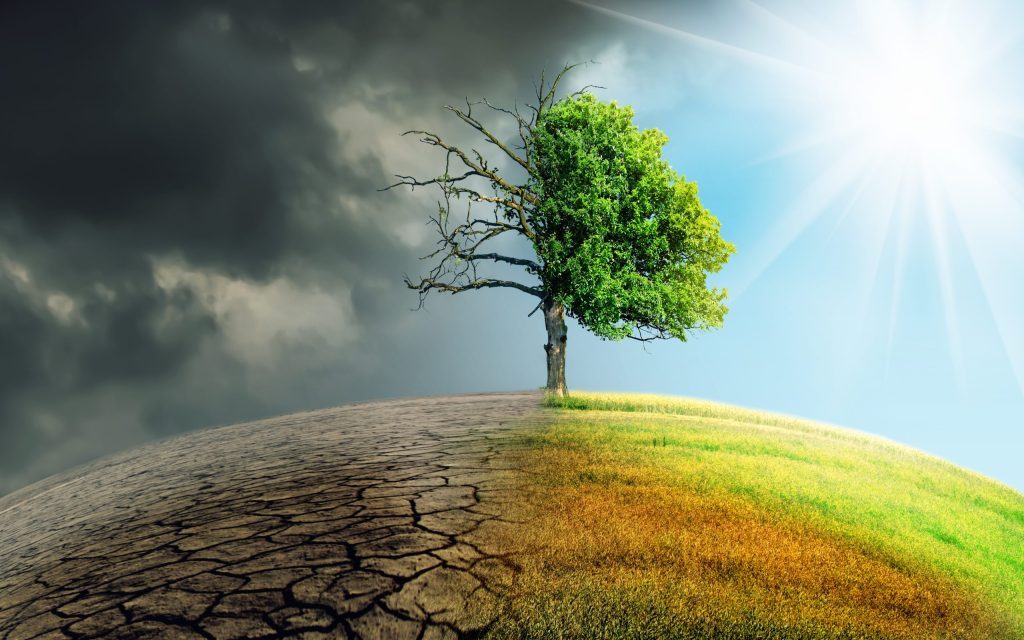
In the face of escalating climate change, businesses across various sectors are feeling the heat – quite literally. However, one industry that stands particularly vulnerable to the erratic weather patterns and extreme conditions induced by global warming is the greenhouse sector. These sanctuaries of cultivation, designed to shield crops from external environmental factors, are now finding themselves in need of protection from a threat they were once built to mitigate. As climate change exacerbates risks, the insurance needs of greenhouse businesses are evolving, prompting a reassessment of coverage strategies and risk management practices.
Unpredictable Weather Patterns:
Climate change has ushered in an era of unpredictability, marked by erratic weather patterns and extreme events. From devastating storms to prolonged droughts and unseasonal frosts, greenhouse operators are facing a barrage of challenges that threaten their crops and infrastructure. These climatic uncertainties translate into heightened risks for businesses, necessitating comprehensive insurance coverage to safeguard against potential losses.
Crop Vulnerability and Yield Variability:
The increased frequency and intensity of weather extremes pose significant threats to crop health and productivity within greenhouses. Rising temperatures, changes in precipitation patterns, and the proliferation of pests and diseases create an environment where crop vulnerability is heightened. As a result, greenhouse businesses must contend with the uncertainty of crop yields, making crop insurance a crucial component of their risk management strategies.
Infrastructure Risks:
Beyond crop protection, greenhouse businesses must also address the vulnerabilities of their infrastructure to climate-related hazards. Severe weather events, such as hurricanes and tornadoes, can inflict substantial damage to greenhouse structures, irrigation systems, and other essential facilities. In response, insurance coverage tailored to property damage and business interruption becomes imperative for mitigating financial losses and ensuring continuity of operations.
Emerging Insurance Products and Solutions:
Recognizing the evolving risk landscape faced by greenhouse businesses, insurers are innovating to offer tailored products and solutions. Parametric insurance, for instance, provides coverage based on predefined weather parameters, offering rapid payouts in the event of specified weather events, such as excessive rainfall or extreme temperatures. Additionally, index-based insurance, which ties payouts to observed weather indices, provides a more transparent and objective mechanism for assessing losses.
Integration of Climate Risk Assessment:
As climate change continues to reshape the risk landscape, greenhouse businesses are increasingly integrating climate risk assessment into their insurance strategies. By leveraging climate data and predictive modeling, businesses can gain insights into emerging risks and vulnerabilities, enabling more informed decision-making regarding insurance coverage and risk mitigation measures. Collaborations between insurers, climate scientists, and agricultural experts facilitate the development of customized risk management solutions tailored to the specific needs of greenhouse operations.
Investment in Resilience and Adaptation:
In addition to insurance coverage, greenhouse businesses are investing in resilience and adaptation measures to bolster their capacity to withstand climate-related risks. This may involve implementing advanced irrigation systems, upgrading greenhouse infrastructure to withstand extreme weather, diversifying crop portfolios to mitigate risks associated with monoculture, and integrating sustainable practices to enhance overall resilience. By proactively addressing climate risks, businesses can reduce their vulnerability and insurance dependence while fostering long-term sustainability.
Conclusion:
The impact of climate change on greenhouse businesses is profound and multifaceted, necessitating a comprehensive approach to risk management and insurance coverage. As extreme weather events become more frequent and severe, the insurance needs of greenhouse operators continue to evolve, prompting innovation in insurance products and risk assessment methodologies. By integrating climate risk considerations into their operations and investing in resilience measures, greenhouse businesses can navigate the challenges posed by climate change and cultivate a sustainable future amidst uncertainty. As stewards of the earth’s bounty, they stand at the forefront of adaptation efforts, demonstrating resilience in the face of adversity and forging a path towards a more resilient and sustainable agricultural future.