Shisha, also known as hookah or nargile, has clearly grown into a global trend in the 21st century. It began as a centuries-old practice in Middle Eastern and South Asian cultures and has changed into a modern lifestyle choice that mixes old customs with new ideas. This change is not just about smoking; it’s about connection, community, and creating shared social moments that people enjoy across many cultures.
From traditional gatherings to stylish city lounges, the appeal of hookah shisha keeps spreading, making it a key part of today’s social life around the world.
The path from its early roots to worldwide fame is a story of cultural exchange and adaptation. It reflects a way of life built on relaxation, friendship, and tradition, fitting into modern social habits while keeping its core values.
In this article, we will look at what drives this global rise: its history, how it became a modern trend, how it changes across regions, the new ideas shaping today’s sessions, and its strong role in social connection and identity.
What Drives the Global Rise of Shisha Culture?
Shisha’s global growth comes from a mix of history, social appeal, and steady new ideas. It offers a calm, shared experience in a fast-paced world, which many people find attractive. Its long past and ongoing changes keep it interesting and help it grow across countries.
Also, the social side of shisha-friends and family sharing time, stories, and memories-has crossed borders. This group activity, paired with many flavors and modern lounge settings, boosts its reach. Digital marketing and social media have pushed it even further, especially among younger people who enjoy its look and lifestyle vibe.
How Did Shisha Culture Originate and Spread Worldwide?
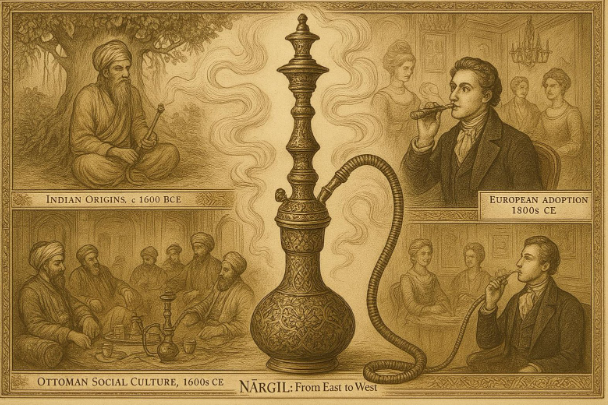
Shisha began more than 500 years ago, with roots often linked to the Indian subcontinent and Persia. Many historians say the water pipe started in South Asia or the Middle East. India is often named as the starting point, where early pipes were made from coconut shells and bamboo, used to smoke opium or hashish.
Its classic form took shape in Persia and the Ottoman Empire, where it gained wide use. From the Indian subcontinent, it moved through Persia into the Middle East, Africa, and later Europe. The growth of the Ottoman Empire played a big part, making hookah central in coffeehouses across Turkey and the Middle East. Trade routes then carried it to Europe in the 17th and 18th centuries. By the 19th century, it became a sign of exotic leisure among Europe’s elites.
Which Regions Shaped Modern Shisha Traditions?
Different regions played key roles in shaping shisha as we know it. The Middle East and North Africa built shisha into daily life and hospitality. In places like Egypt, Lebanon, and Morocco, cafés and teahouses became hubs where offering shisha to guests showed respect and warmth.
Persia refined hookah design and turned it into a social centerpiece. Egypt helped spread hookah cafés, weaving shisha into everyday social life. These regions set the tone for the group-focused spirit of shisha, keeping it relevant across generations and inspiring later changes around the world.
| Region | Key Influence | Common Features |
| Persia & Ottoman Empire | Refined design and social use | Classic bowls, ornate stems |
| Middle East & North Africa | Everyday social ritual | Teahouses, natural charcoal, classic flavors |
| Europe | Modern lounges and engineering | Sleek builds, heat control tools |
How Has Shisha Culture Transformed into a Modern Lifestyle Trend?
Shisha has moved beyond its traditional role and now stands as a clear modern lifestyle choice, especially for younger people. Just take a look at modern shops, like Shisha Boutique.
This shift comes from its social pull, fit with city life, and strong place in youth and nightlife culture. It’s no longer just a pastime; it’s a planned experience that blends calm, bonding, and self-expression.
Shisha is also seen as a lifestyle because many lounges focus on look, mood, and comfort. With sleek design, soft seating, and warm lighting, these spaces attract many types of guests who want a stylish but relaxed place to meet. The focus on design and “camera-friendly” moments helps keep it current and popular.
Why Is Shisha Seen as a Social Experience?
Shisha is social by nature. It’s slow, shared, and intentional. Unlike quick, solo smoking, a hookah session often lasts an hour or more, giving people time to relax and talk. This longer pace invites conversation and connection, creating a friendly group feeling that is rare in today’s busy, screen-heavy lives.
The steps-setting the hookah, packing the bowl, managing the heat, and passing the hose-show care and hospitality. The sound of bubbling water, the scent of the smoke, and the calm setting create a space where people feel open and less tense. Like sharing a meal, shisha brings people together and builds lasting memories.
How Does Urbanization Influence Shisha’s Popularity?
City life has helped shisha grow by giving it spaces to shine as a modern group activity. In busy cities, shisha cafés and lounges act as retreats, where people can step away from online overload and talk face to face. These spots offer a calm, safe place to meet up.
Diverse city populations also encourage cultural exchange, which helps shisha spread and adapt. Lounges in London, Dubai, and New York often mix classic looks with modern design, curated music, and fusion menus. This city style appeals to a young, mixed crowd looking for trendy, relaxed places to hang out.
What Role Does Shisha Play in Youth and Nightlife Culture?
Shisha is now a staple in youth and nightlife scenes, especially in big cities. Millennials and Gen Z enjoy hookah not just for flavors but also for the identity it signals. Many lounges offer an option to bars: a place to talk without alcohol, enjoy calm music, and spend time with friends.
Urban hookah culture thrives because it looks good on social media. LED-lit hookahs and colorful smoke add visual appeal. People enjoy the stylish vibe after work or school. In nightlife, shisha often pairs with live music or DJs, making it a key part of city social life and a symbol of leisure and style online.
How Does Shisha Culture Adapt Across Continents?
As shisha travels, it adapts in unique ways across continents. Each region adds local flavor and habits, showing how well it fits into many social settings. From old customs to new tech, shisha blends steady traditions with fresh changes.
This cross-cultural spread shows how flexible shisha is as a group ritual. Whether it’s the focus on hosting in the Middle East, design-led lounges in Europe, mixed city styles in North America, or varied scenes across Asia, shisha links old and new, creating local twists on a shared global habit.
Middle East and North Africa: Tradition Meets Modern Style
In the Middle East and North Africa, shisha is part of daily life and a strong symbol of community. Cafés and teahouses across Cairo, Istanbul, and Dubai are cultural touchpoints where locals and visitors enjoy classic flavors like Double Apple and Mint. Traditional setups remain common, with handmade brass pipes, natural charcoal, and foil.
At the same time, the region also welcomes luxury. Dubai, for example, offers high-end shisha with rare blends on rooftops with skyline views and attentive service. This mix of heritage and luxury draws travelers and shows how old customs can sit well with modern style.
Europe: Contemporary Lounges and Innovation
Europe, especially Germany, has turned shisha into a premium product over the last decade. Lounges in London, Paris, and Berlin are trendy city hubs, blending Middle Eastern touches with bold, modern design. Features like LED-lit hookahs, curated playlists, and fusion food are common, drawing a young, diverse crowd.
Brands such as MIG, Amy Deluxe, and Steamulation stand out for precise engineering, stainless steel builds, and advanced heat control. Germany also leads in new accessories like heat management devices (HMDs), silicone hoses, and glass bases. The European scene favors clean looks, smooth smoke, and inventive gear.
North America: Eclectic Urban Adaptations
North America has seen strong growth in shisha, driven by social media, hip-hop, and modern lounges. Many venues here offer a casual, welcoming vibe for students, young professionals, and culture fans. Hookah often pairs with live music or DJs, making it a key part of nightlife.
Brands like Fumari, Starbuzz, and Tangiers helped shape a distinct American style. The U.S. scene blends Russian builds, German engineering, and Middle Eastern flavors. New lounges, such as Mojo Hookah Lounge in Hollywood, offer premium setups and creative mixes, reflecting a trendy, influencer-friendly mood.
Asia: Contrasts in Rural and Urban Shisha Culture
In Asia, especially South Asia where shisha has deep roots, the culture changes a lot between cities and rural areas. In cities like Mumbai and Karachi, lounges serve a cosmopolitan crowd with a mix of traditional and modern styles. These spaces follow global trends in flavors and design, drawing fashion-aware guests.
In rural areas, hookah often signals status and bonds people in cultural gatherings. Here, the focus stays on age-old customs and community rather than new tools or designs. This contrast shows how shisha can keep its old meaning in some places while fitting new habits in others.
What Innovations Define Today’s Shisha Experience?
New ideas are reshaping shisha, mixing tradition with modern tools and design. These updates match changing tastes for ease, choice, and richer sensory moments. The scene keeps moving, adding fresh ways to enjoy a session.
From flavor picks to device builds, innovation sits at the center of today’s shisha. This steady push keeps it relevant worldwide and draws both experienced users and newcomers. The aim for unique, higher-end sessions is changing every step of the experience.
Which Flavor Trends and Alternatives Are Most Popular?
Flavored tobacco has exploded in variety. While classics like apple, mint, and grape still lead, you now see tropical blends, dessert-style mixes, cocktail themes like piña colada, and even nostalgic flavors like Irn Bru.
- Classic picks: Double Apple, Mint, Grape
- Fruity mixes: Mango, Passionfruit, Berry blends
- Dessert-style: Vanilla custard, Caramel, Cinnamon roll
- Cocktail themes: Mojito, Piña colada
- Nostalgic twists: Regional soda and candy notes
Flavor variety attracts a wider crowd looking for new tastes. Alongside tobacco, tobacco-free options are rising. Herbal blends without nicotine appeal to people who want the feel of shisha without the addictive part of tobacco. These choices fit with wellness habits and let people join the social ritual without using tobacco.
How Do Modern Shisha Designs and Materials Differ from Traditional Ones?
Old-school hookahs were often made from brass or copper with detailed engraving and strong builds, like tall Egyptian models known for their sturdy design and cultural style.
Modern hookahs use more glass and silicone. Glass pipes look sleek and let you see the smoke move, turning them into art pieces. Silicone models are tough, easy to clean, and practical. Brands like Aeon and Vyro in Germany make clean, Bauhaus-like glass designs, while Regal Hookahs uses carefully carved wooden stems. Today’s gear blends classic craft with simple upkeep and new features like stainless steel parts, magnetic connectors, and designer glass bases.
| Feature | Traditional Hookahs | Modern Hookahs |
| Materials | Brass, copper, wood | Glass, silicone, stainless steel |
| Design focus | Ornate, cultural detail | Clean lines, minimal look |
| Maintenance | More cleaning, care needed | Easier to clean, modular parts |
| Heat control | Foil and natural coals | HMDs, controlled airflow |
How Has Technology Impacted Shisha Culture?
Technology has changed shisha by adding ease, safety features, and custom options. Electronic hookahs (e-hookahs or vape pens) are portable and battery-powered. They use flavored e-liquids to make vapor, skipping charcoal and tobacco. This attracts people who want convenience and fewer risks than a classic setup.
Smart hookahs add Bluetooth, temperature control, and LED lighting. Users can set heat and flavor strength and even connect with others through apps. Other advances include heat management devices instead of foil and coals, silicone and metal bowls for durability, and pre-packed systems like Ookah-style cartridges for clean, simple packing.
These updates make shisha easier for beginners and appealing to younger users who want a premium feel with less setup time.
How Does Shisha Culture Influence Social Connection and Identity?
Shisha shapes social ties and identity by bringing people together and giving them a way to express themselves. It’s more than a shared habit; it’s a group ritual that builds belonging and keeps cultural links alive. Sharing a hookah sets a warm tone for relaxed, real talk.
This also affects how people see themselves and their social circles. Shisha meetups help confirm identity, deepen friendships, and grow shared understanding. Lounge settings add to this by offering spaces where people feel at ease and connected.
Why Is Shisha a Symbol of Hospitality and Community?
From early times, shisha has stood for welcome and community, especially in Middle Eastern and South Asian settings. Offering shisha to guests shows respect and warmth. Elders would sit together, pass the hose, and talk through stories and local matters, showing equality and unity.
This group spirit remains central worldwide. The slow pace helps people relax and talk, much like sharing food at a table. The hookah becomes a social anchor that draws people in, builds memories, and strengthens bonds.
How Does Shisha Contribute to a Sense of Belonging?
Shisha helps people feel they belong by creating open, welcoming settings. In teahouses or modern lounges, the shared ritual invites everyone to take part. Picking flavors, packing the bowl, and passing the hose builds teamwork and trust.
For many, shisha links them to family roots or present-day social groups. This supports identity and community, especially for younger people who want real connections beyond screens. Warm lighting, calm scents, and soft music help people relax and open up, making the group feel closer.
What Makes the Shisha Lounge Experience Appealing?
Shisha lounges are appealing because they blend comfort, mood, and social flow. Modern spaces use sleek interiors, soft seating, and ambient lighting to create a warm setting. This setup supports long talks and deep relaxation, offering a break from busy daily life.
Beyond the space, staff guide flavor choices and help the session run smoothly. Many lounges also offer full food and drink menus, pairing shisha with music, beverages, and tasty dishes. The mix of sounds, scents, smoke visuals, and stylish decor makes lounges “photo-friendly” spots for people who want a premium, expressive way to relax and connect.
What Are the Health, Safety, and Regulatory Aspects of Shisha?
As shisha spreads, health, safety, and rules get more attention. While the social and cultural sides are praised, the risks and steps for safer use are also part of the picture. Knowing these points helps people make informed choices in today’s shisha scene.
Health groups and governments study shisha’s effects and run awareness efforts. This shift toward responsible use and the rise of alternatives show growing care within the community about lowering harm while keeping the social ritual.
What Are the Common Health Concerns and Misconceptions?
Shisha comes with health risks, and several myths make confusion worse. Many think the water filters out harmful substances. In truth, it cools smoke but does not remove toxins. Another myth says shisha has less nicotine than cigarettes, but some blends have the same or more.
People also think herbal shisha is fully safe. Even without nicotine, burning charcoal still creates carbon monoxide. Fruit flavors can hide harshness but do not remove harm. One long session can mean far more smoke than a single cigarette. Sharing a hose without disposable tips can spread germs.
Do Tobacco-Free and Herbal Options Offer Safer Alternatives?
Growing awareness of risks has boosted tobacco-free and herbal products. Herbal blends, often made from tea leaves or other plant material, do not have nicotine and appeal to people focused on health. They aim to give a smoke-like feel without tobacco’s addictive pull.
E-hookahs and vape-based devices use vaporized e-liquid instead of smoke. They skip charcoal, lowering exposure to carbon monoxide and giving a cleaner setup. While these options lower some risks, any kind of inhalation can carry health concerns. Responsible use matters.
How Do Regulations Shape Shisha Consumption Globally?
With shisha’s rise, many countries have set rules similar to cigarette laws. These often limit where shisha can be used, what venues can offer it, and sometimes what goes into the product. The goal is to reduce secondhand smoke and protect public health.
Public campaigns explain possible risks and promote moderation and safe habits. These rules try to balance a cultural practice with health priorities, shaping how people enjoy shisha in public and private spaces.
What Practices Promote Responsible Enjoyment?
- Limit how often and how long you smoke.
- Pick quality coals and tobacco from trusted makers.
- Drink water and take breaks during sessions.
- Use disposable mouthpieces when sharing.
- Try herbal or nicotine-free options to lower nicotine intake.
- Choose lounges and products that favor eco-friendly materials and waste habits.
What Is the Future of Shisha as a Global Lifestyle Trend?
The future looks bright and active, with steady change and adaptation. Shisha sits at a point where old customs meet new tech, which keeps it appealing. Growth is likely to continue, driven by new tools, shifting tastes, and a steady focus on the shared ritual at its core.
As younger people explore global customs and luxury fans look for unique experiences, shisha will likely appear in more lifestyle spaces. It will keep its place as more than a pastime-a cultural bridge and a mark of high social living.
Which Trends Will Shape Shisha’s Global Evolution?
- Tech-led gear: electric and smart hookahs with app-based heat control and better smoke cleanup.
- Flavor growth: more exotic, dessert, and cocktail themes, plus rising demand for herbal and nicotine-free lines.
- Personal touches: custom bowls, engraved stems, and brand collabs for unique setups.
- Premium lounge setups: high-end gear, skilled packing, and curated flavor menus.
- Social media: photo-friendly designs and marketing that keep shisha trendy and aspirational.
How Are Sustainability and Eco-Friendly Practices Emerging in Shisha Culture?
With more focus on sustainability, shisha makers and users are choosing greener options. Many brands now use durable, recyclable materials that last longer and clean easily, such as glass and silicone.
Eco steps also cover consumables: cleaner charcoal choices and recyclable packaging for tobacco and accessories. Community efforts promote moderation and proper waste disposal. Brands like Enso show how wellness-minded designs, better heating systems, and longer-lasting materials can support the ritual while caring for the planet.