Making choices about your kid’s education feels overwhelming sometimes. You’ve got sports teams recruiting them, coding bootcamps sending emails, tutoring centres promising grade improvements, and language schools suggesting immersion programmes. The list never ends.
But here’s something worth paying attention to. One activity keeps showing up in neuroscience journals for its impact on young brains: learning music. And we’re not talking about minor benefits here.
Recent studies caught researchers by surprise. Kids who get proper music education don’t just learn to play songs. Research from USC shows that music instruction literally speeds up how quickly auditory pathways mature in children’s brains. They process sound more accurately than kids who don’t take lessons. This enhanced brain development? It spreads into way more areas than anyone expected.
Most parents signing up for piano lessons have no idea what’s actually happening inside their child’s head.
How Music Rewires Young Brains
When your child sits down to learn guitar or drums, something fascinating starts happening upstairs. Their brain doesn’t just file away “how to play this instrument” in some corner. It fundamentally rebuilds itself. Scientists watching brain scans can literally see the changes happening.
Picture this: multiple brain regions lighting up simultaneously during practice. Motor skill areas activate as fingers figure out how to move across keys or frets. Auditory centres strengthen as ears learn distinguishing a C from a C sharp. Memory systems engage whilst memorising pieces. Executive function areas develop as kids juggle planning, focusing, and coordinating genuinely complex tasks all at once.
This simultaneous activation creates what researchers call neuroplasticity. New neural pathways form. Existing ones get stronger. Imagine building a brand new highway system where information zips around faster between different brain regions.
Here’s the kicker though. These enhanced pathways don’t just help with music. They improve how brains tackle everything from algebra problems to reading comprehension to learning Spanish.
The Academic Performance Connection
Parents worried about report cards should probably pay attention here. Large-scale studies tracked hundreds of kids over years. Those getting music lessons showed massive improvements in cognitive abilities that directly boost school performance.
After just 2.5 years of structured lessons, children demonstrated better language reasoning, stronger short-term memory, improved planning, and way better inhibition (filtering out distractions whilst focusing). We’re not talking small improvements either. Kids with music training consistently crushed peers without lessons across multiple cognitive tests.
The maths connection surprised even researchers. Music is secretly mathematical everywhere you look. Rhythm involves fractions and ratios whether kids realise it or not. Reading sheet music requires pattern recognition and spatial reasoning. Children studying music develop stronger mathematical intuition because they’re constantly wrestling with numerical concepts in practical, hands-on ways.
Language skills benefit similarly but differently. Music training rewires how brains process sound patterns. This translates directly into better phonemic awareness (absolutely crucial for reading) and improved ability to catch tiny differences in speech sounds. Gives musically trained children real advantages in their native language plus any second languages they pick up later.
Executive Function Development
Executive functions sound fancy but they’re basically the mental skills helping us plan stuff, focus attention, remember instructions, and juggle multiple tasks without losing our minds. These abilities matter hugely for school success and just… life success generally.
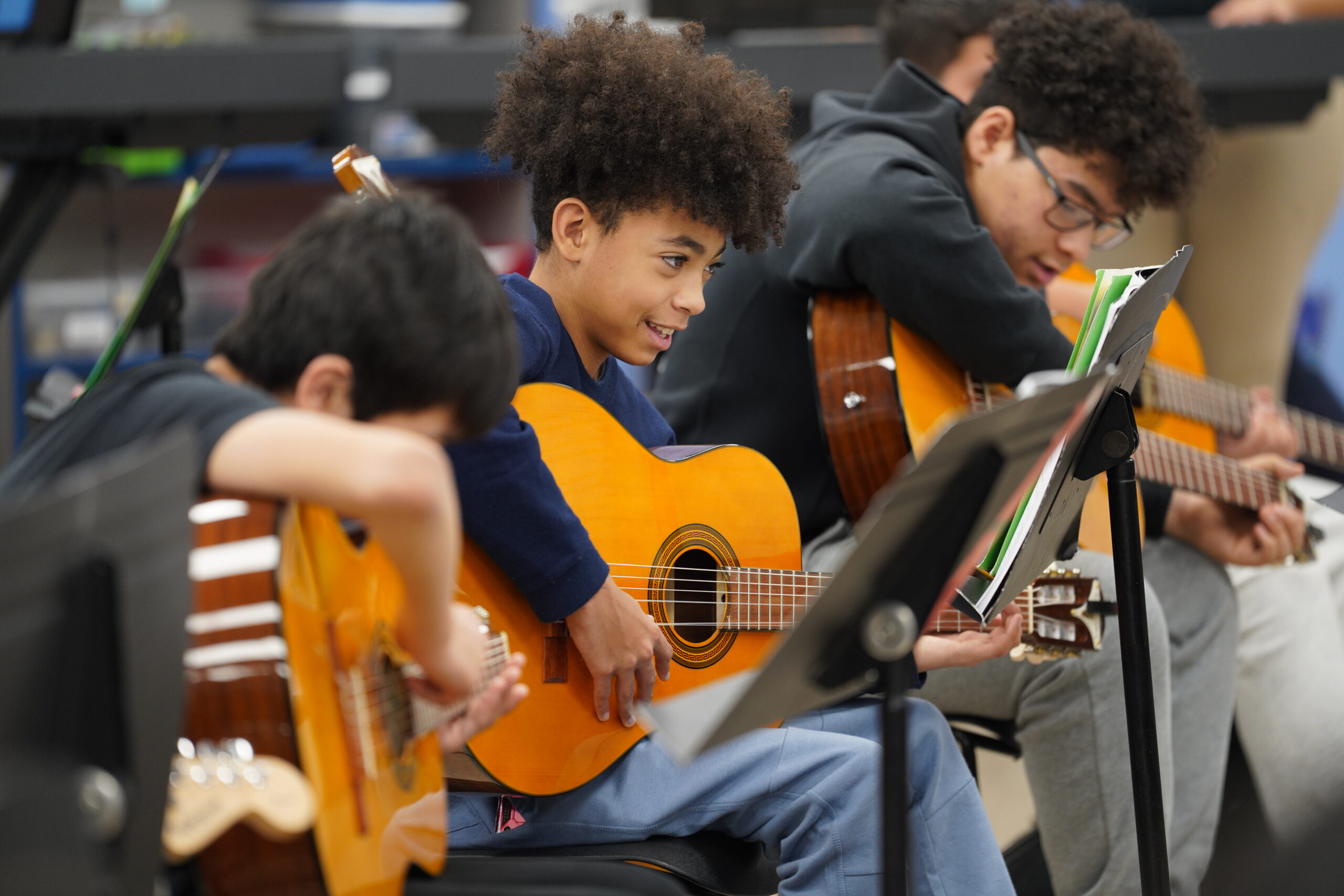
Music training provides intensive executive function workouts few other activities match. When your child practises violin or piano, they’re constantly flexing these mental muscles without even knowing it.
They’re sustaining attention for extended stretches whilst reading music, coordinating hands, listening to sounds they’re producing, and remembering what’s coming next. They’re stopping incorrect responses (wrong notes) whilst producing correct ones. They’re planning ahead to upcoming sections whilst executing current measures. They’re switching between different tasks and mental processes pretty seamlessly.
This isn’t just theory either. Studies following children over multiple years show those in music programmes develop measurably stronger executive functions compared to peers doing other activities or nothing structured at all.
The Critical Window for Brain Development
Young brains are ridiculously plastic compared to adult brains. They’re super responsive to environmental input. The stretch from early childhood through adolescence represents this critical window when brains are most receptive to forming new neural connections. Kind of like wet cement that hasn’t set yet.
Starting music lessons for kids during this window maximises neurological benefits substantially. Earlier children begin structured music education, the more profound advantages tend to be. Older children definitely still benefit (absolutely they do), but research consistently shows stronger effects when training begins young.
Brain regions most affected by music training are exactly those undergoing rapid development during childhood anyway. The prefrontal cortex, overseeing executive functions, keeps developing well into someone’s twenties. Music training during early years provides sustained support for this crucial process whilst it’s actively happening.
Beyond Cognitive Benefits
Cognitive advantages get most attention in research papers, but benefits spread into emotional and social development too. Often in surprising ways.
Kids in music programmes show genuinely better emotional regulation. Learning instruments teaches patience and persistence when facing difficulty. Children experience frustration when passages won’t come together, then deep satisfaction when dedicated practice finally creates breakthrough moments. These emotional rollercoasters build resilience and teach valuable lessons about effort and achievement that stick around.
Social skills develop through group music activities naturally. Playing in ensembles, performing in recitals, sharing musical journeys with family… all this teaches collaboration, communication, and confident self-presentation. Music provides this language for self-expression helping children articulate feelings they’d struggle expressing in regular words.
Confidence from mastering musical skills transfers into other life areas organically. Kids who successfully learn instruments develop stronger self-efficacy. That’s basically believing you can accomplish difficult tasks through effort and practice. Pretty valuable mindset to build early on.
Making It Practical
Understanding these benefits is easy. Actually getting your kid started with music lessons? That’s where things get real. Loads of parents worry about costs, time commitments, whether their child will stick with it long enough gaining any real benefits.
Good news exists though. Even moderate amounts of music education produce measurable cognitive benefits. You don’t need raising a concert pianist seeing advantages here. Consistent weekly lessons with regular home practice are sufficient triggering neurological changes enhancing cognitive development.
Quality beats quantity in many respects. Structured lessons with qualified instructors produce way better results than casual messing around with instruments. The key is regular engagement with proper technique and progressive challenges pushing them forward steadily.
Starting represents the biggest hurdle honestly. Most children need time discovering whether they actually vibe with a particular instrument. Trial lessons help families finding the right fit before committing to long-term study and investment.
The Long-Term Impact
Perhaps most importantly, cognitive benefits from childhood music training don’t vanish when lessons end. Studies tracking adults who studied music as children show lasting advantages in auditory processing, language skills, and executive functions even decades after they stopped playing. That’s genuinely remarkable when you stop and think about it.
Music education isn’t about creating musicians necessarily. It’s about optimising brain development during those critical early years when neural foundations get established for life. Enhanced cognitive abilities that music training develops serve children throughout education and well into adult life naturally.
For parents wanting to give children genuine developmental advantages, music education represents one of the most well-researched, scientifically validated interventions actually available today. Brain changes are real and measurable on scans. Cognitive benefits show up consistently across different studies in different countries. Impact extends far beyond music rooms into every area of learning and development.
The question isn’t really whether music education benefits children’s brains anymore. Evidence on that point is pretty overwhelming at this stage. The real question is whether we’re willing prioritising this powerful developmental tool when making decisions about our children’s education and enrichment activities. Definitely worth thinking about seriously if you haven’t already.