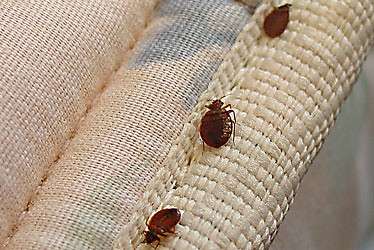
Woken up with tiny red marks you can’t explain? It might not be mosquitoes. Bed bugs are experts at staying hidden until their numbers grow, making early detection the key to stopping them. Using simple bed bug inspection tips, you can uncover these pests before they spread, saving yourself from the hassle and expense of a full infestation. Keep reading to learn how.
Why Early Detection Matters
Spotting bed bugs early makes treatment faster, easier, and less costly. The following explains how early action affects infestation growth and treatment expenses:
Growth Rate of Infestations
The following points show how quickly bed bug populations can expand if left untreated and can destroy your Rest:
- Rapid reproduction: Bed bugs can lay several eggs daily, and each egg matures into an adult within weeks, quickly increasing the population.
- Expanding hiding areas: As numbers grow, bed bugs spread from beds to furniture, baseboards, and walls, making them harder to locate and treat.
- Greater resistance risk: Larger infestations may contain bed bugs with higher tolerance to specific treatments, requiring more extensive methods.
Cost Difference with Early Treatment
Moreover, detecting problems early can help cut expenses and minimize the treatment required, such as:
- Lower treatment expenses: Addressing the issue early usually requires fewer visits, less product, and less labor.
- Reduced property impact: Preventing the spread helps avoid replacing infested mattresses, furniture, or flooring.
- Fewer follow-up treatments: Smaller infestations respond more quickly, lowering the need for repeated service and extended bed bug control plans.
Most Overlooked Early Signs of Bed Bugs
Recognizing subtle clues early can prevent a small problem from becoming a severe infestation. Watch out for the following early signs of bed bugs:
Bites and Irritation
The following skin-related clues may indicate the early signs of bed bugs:
- Clustered bite patterns: Small red marks appearing in groups or lines, often noticed after sleeping.
- Persistent itching: Continued irritation in areas that were clear the day before.
- Delayed reactions: Swelling or redness often appears hours after a bite, making the source harder to identify.
Blood Spots and Fecal Stains
Meanwhile, the physical signs also help confirm an infestation, including:
- Small blood smears on bedding: Crushing bed bugs during sleep leaves these marks.
- Dark fecal spots: Tiny black or brown specks along mattress seams, headboards, or baseboards.
- Clusters in hidden areas: bed bug stains or smears in crevices, behind furniture, or near baseboards signal pest activity.
Bed Bug Inspections You Can Do at Home
If you suspect a bed bug infestation, it’s crucial to act swiftly to prevent it from spreading. Begin by thoroughly inspecting your bedding, mattress seams, and furniture crevices for any signs of these pests. Look for small, rust-colored stains or tiny, dark spots, which could indicate their presence. If you find evidence of bed bugs, consider reaching out to professionals for assistance. For those residing in Montana, seeking expert advice from pest control Missoula can be a wise step. They can provide a comprehensive inspection and effective treatment options tailored to your specific situation. Remember, early detection and intervention are key to managing and eliminating bed bug infestations efficiently.
Simple inspection methods can help you identify bed bugs early and improve treatment. The following are bed bug inspection tips to check for signs without professional tools:
Flashlight Method
The following steps explain how to use a flashlight to locate bed bugs in common hiding spots:
- Check mattress seams and tufts: Slowly shine light along seams, folds, and edges to reveal live bugs, eggs, or dark spots.
- Inspect bed frames and headboards: Focus on cracks, joints, and screw holes where bed bugs often hide during the day.
- Look behind nearby furniture: Direct the beam into gaps behind nightstands, dressers, and wall hangings close to the bed.
DIY Interceptors
Furthermore, use basic instructions to create and place homemade interceptors for spotting bed bug activity, such as:
- Place interceptors under bed legs: Use shallow containers or cups coated with talcum powder or lined with tape to trap bugs climbing up or down.
- Check traps regularly: Inspect for signs of bed bugs every few days, such as live insects or shed skins.
- Use alongside cleaning: Pair interceptors with vacuuming and decluttering to improve detection.
When It’s Time to Call a Pro
Some bed bug problems require more than DIY methods to solve effectively. The following highlights when professional help becomes the best option:
Beyond Surface-Level Signs
The following situations show when an infestation has progressed beyond what home treatments can manage:
- Persistent sightings: Bed bugs appear despite repeated cleaning and treatment attempts.
- Widespread activity: Signs are present in multiple rooms, not just in sleeping areas.
- Severe reactions: Bites or allergic responses increase in frequency or severity.
Professional Inspection Advantages
In addition, the following are the top reasons to have an expert inspect a bed bug problem:
- Accurate identification: Professionals verify whether the issue is due to bed bugs or a different pest showing similar indicators.
- Thorough coverage: Inspections include hidden areas such as wall voids, baseboards, and behind fixtures.
- Tailored treatment plans: Experts recommend solutions that match the infestation’s scope and help ensure lasting bed bug control.
Stop Bed Bugs Early!
Catching bed bugs in the early stages can turn a potential outbreak into an easy fix. Therefore, by paying attention to the early signs of bed bugs and following practical bed bug inspection tips, you can stop these pests in their tracks. Acting fast is the key to protecting your home and health. Start with the early signs of bed bugs in Los Angeles, CA, to know precisely when to take action.