Modern farming in Kenya continues to embrace innovative tools that boost productivity, and the seed planter stands out as a top investment for any serious grower.
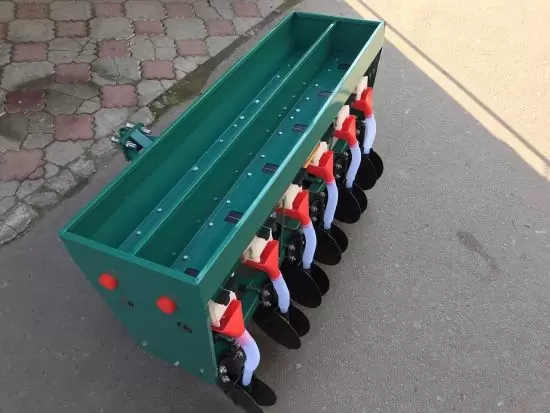
A seed planter for sale in kenya is the right quality that not only speeds up the planting operation but also guarantees that every seed is dropped at the optimum depth and interval. This precision minimizes seed wastage and maximizes yield, yet the wide variety of models on the market can make the selection look daunting.
Grasping the Seed Planter’s Functions
A manual seed planter helps growers put seed just where it needs to be by placing it at the same depth and space every time. Once the machine is fine-tuned to the right settings for the crop and the conditions, emerging seedlings rise together and keep open the same path. This keeps late flushes of weeds from gaining a head start, and a more even crop canopy allows faster healing from any soil injury. For a country like Kenya, where land is a finite resource and labor costs are rising, acquiring a seed planter for sale in Kenya becomes a strategic advantage for all establishments, from family-sized plots to extensive commercial farms.
Assessing Your Farm Size and Needs
Purchasing a seed planter requires a clear picture of your farm’s dimensions and operations. If your acreage is modest, a hand-fed or small mechanical model might suffice; for operations of several hectares, a planter that attaches to a tractor is usually a better fit, since the tractor’s power can reduce the time and labor hundreds of ridges can eat up. How much land you work, the crops you Favour, and your planting calendar govern the decision. Always calculate the planter’s effective coverage and how it integrates into your existing chores before committing.
Seed Planter Features to Look Out For
Pick a seed planter by measuring how each feature can improve your bottom line. Row spacing that adjusts quickly to different crops, effective seed meters that control rates precisely, and frames built of rust-resistant alloys are non-negotiable. Planters that drop seed at the right time and depth cut waste and deliver canopies that finish almost at the same time. Equally, check for easily tuned units and a clear supply line for spare parts, since each lost day of planting can affect yield and profits that season.
Comparing Seed Planters with Walking Tractor Price in Kenya
For farmers already using or considering investing in a walking tractor, the planter it tows can either cut costs or inflate them in the budget. Knowing the going walking tractor price in kenya is a must, since most compatible planters are designed to leverage the tractor’s power efficiently. This boxy, affordable tractor can volunteer to pay for most of that farm kit, letting you boost field performance without moving to expensive, full-size tractors. A seed planter that mates with a walking tractor strikes the right spot between budget restraint and serious hard work.
Looking Beyond the Price Tag
A sticker price alone should not drive the choice of machinery. Although the lowest daily: cost might tempt the eye, the farmer’s notebook needs a longer horizon. Your seed planter, if well-made and well-matched, cuts the hours clocked in the field, lifts the bags at harvest, and rarely needs a roadside fix. When tallying the profit-and-loss sheet, the planter price should live beside the walking tractor debit, so you see the whole financing.
Make the Supply Chain Part of Your Plan
Behind every working tractor lies support, from precision repairs to perhaps a hard-but-healthy setting of spare parts. Chase that ecosystem. A trustworthy dealer, with live proximity of trainers, shards, and field technicians, guards the planter’s uptime and saves the headache of distant fixes that waste weekends and yield. Reliability out of the box is good; loss is ideal.
Final Analysis
Buying a seed planter in Kenya is more than choosing hardware; it is about committing to a partner that amplifies output and secures income over seasons. When a farmer weighs local circumstances, planter specifications, how well it pairs with existing walking tractors, financial outlay, and the reliability of support past the checkout, the choice becomes one that pays a dividend, not a cost. Armed with the appropriate equipment, producers across the country can anticipate surer hectare performance, diminished manual drudgery, and a sharper focus on every input, slicing waste and widening profit margins—proof that modern Irish techniques, when tailored to the Kenyan context, can nourish both plate and pocket sustainably.