Plumbing issues can strike unexpectedly, causing damage that may take weeks and thousands of dollars to repair. From burst pipes to persistent leaks, these problems disrupt daily life and harm property value. Preventive steps can save money and maintain a safe, comfortable home environment. Let’s understand how you can avoid plumbing disasters.
Regular Inspection Can Prevent Major Issues
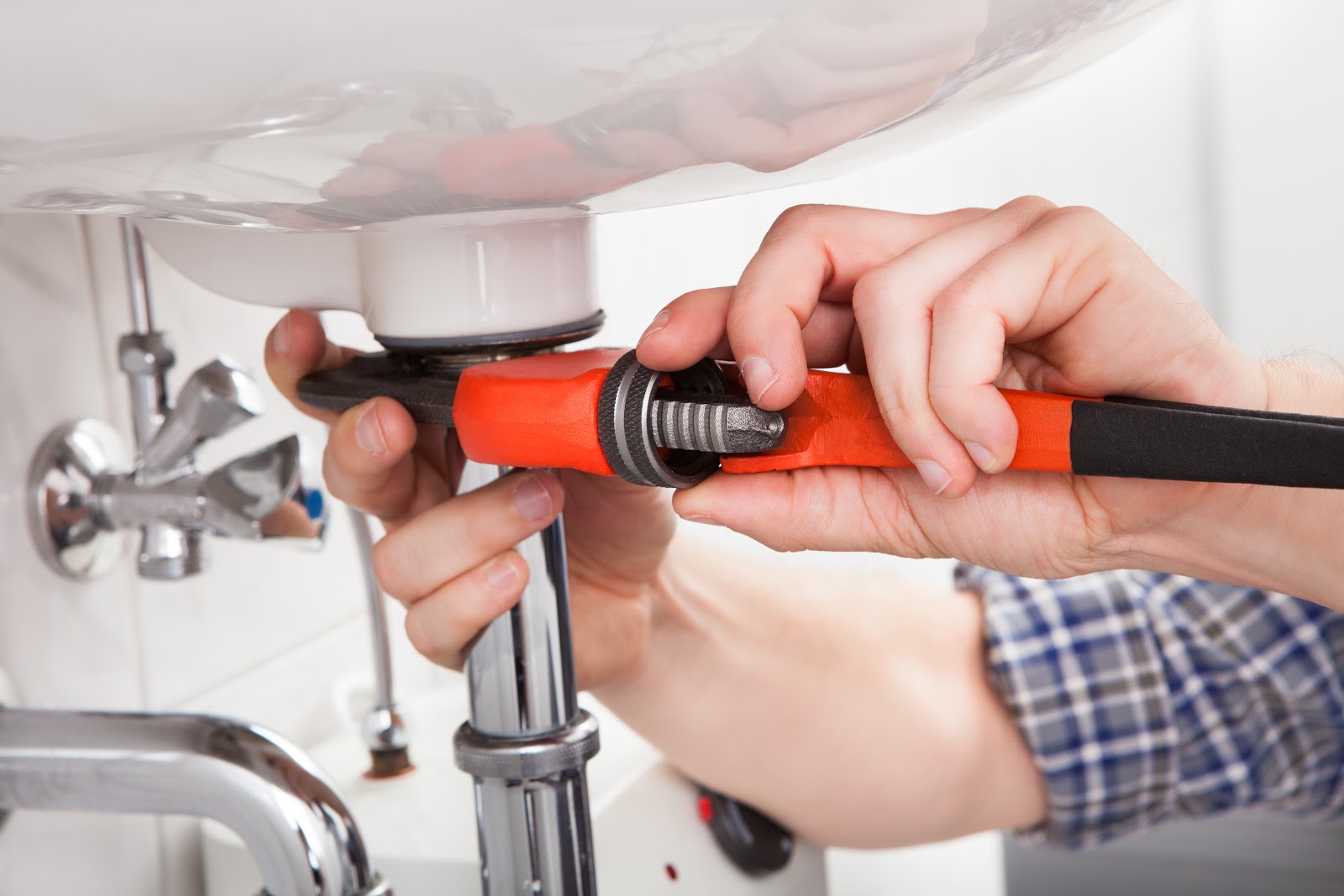
A routine check of pipes, faucets, and water heaters can reveal small problems before they escalate. Homeowners should examine areas prone to moisture, such as basements and under sinks. Hiring an Expert plumber in Cincinnati can make inspections more effective. Early detection reduces the risk of a plumbing emergency. Professionals identify hidden issues that escape casual observation. Professionals can notice signs of corrosion or unusual sounds that you might think are normal. They provide advice on maintaining pipes, drains, and appliances to prevent damage over time.
Maintain Proper Drain Care
Clogged drains can cause backups that affect the entire plumbing system. Avoid pouring grease, coffee grounds, and large food particles down sinks. Installing strainers in bathroom and kitchen drains prevents hair and debris from accumulating.
Tips to keep drains clear:
- Flush drains with hot water weekly
- Use baking soda and vinegar to remove buildup.
- Schedule a professional cleaning every year.
These small actions can prevent costly interventions and maintain proper water flow throughout the home.
Monitor Water Pressure and Temperature
Water pressure above normal levels strains pipes and fixtures. Consistently high pressure can lead to leaks or sudden bursts. Use a pressure gauge to check the water supply periodically. Adjust pressure using a regulator if necessary. Temperature settings on water heaters should not exceed 120 degrees Fahrenheit. High temperatures increase wear on pipes and create a risk of scalding. Regular maintenance in Cincinnati’s homes ensures that both pressure and temperature remain safe for everyday use.
Replace Aging Pipes and Fixtures
Old plumbing components deteriorate over time and become prone to failure. Identify pipes made from outdated materials like galvanized steel or polybutylene. These pipes may corrode internally and restrict water flow. Replace worn-out faucets, showerheads, and valves to avoid leaks. Modern fixtures improve efficiency and reduce water waste. Investing in quality materials today can prevent emergency replacements later.
Detect Hidden Leaks Early
Leaks behind walls, under floors, or beneath appliances often go unnoticed until damage occurs. Watch for water stains, musty odors, or unexplained increases in water bills. Consider using leak detection devices or moisture sensors in critical areas. Early detection helps save money and prevents major structural damage. Homeowners in Cincinnati who respond promptly reduce the risk of mold growth and further plumbing issues.
Prepare for Emergencies
Despite preventive measures, emergencies can still happen. Knowing where the main water shut-off valve is located is crucial. Label valves and ensure all household members understand how to operate them. Create a list of local plumbing professionals who provide 24-hour service. This ensures a quick response to emergencies and minimizes property damage. Having a plan in place reduces stress during unexpected events.
Regular Maintenance Schedule
Establishing a maintenance routine is essential for long-term plumbing health. Tasks may include drain cleaning, pipe inspection, and checking water heaters. A professional can provide tailored recommendations based on the home’s plumbing system. Using an expert plumber in Cincinnati for regular maintenance ensures that minor problems are corrected before they become major disasters. This proactive approach preserves the integrity of the plumbing system and protects the home’s value.
Preventing plumbing disasters requires attention, care, and a structured approach. Simple steps like inspections, drain care, monitoring pressure, and updating old fixtures can make a significant difference. Being prepared for emergencies and scheduling regular maintenance further safeguards the home. Proper action today avoids costly headaches tomorrow and keeps plumbing systems running smoothly.