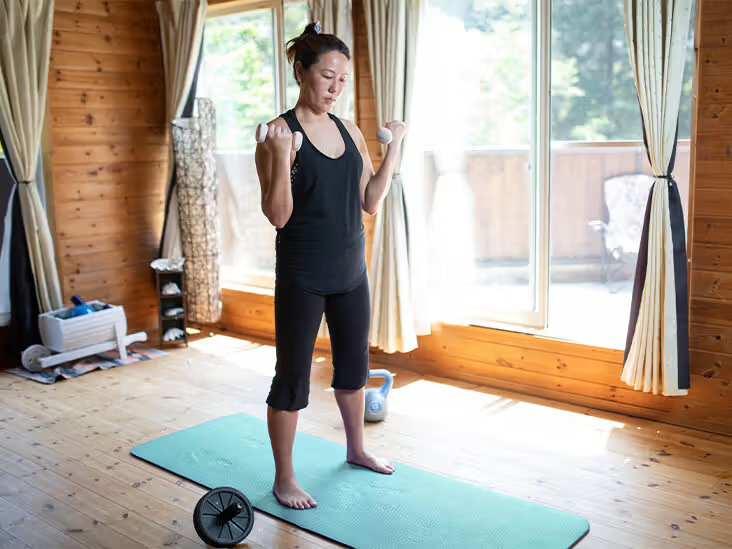
Healthy living rarely announces itself loudly. Instead, it works in the background, shaping how people move through their days, how they respond to pressure, and how they relate to themselves over time. Choices around health influence more than physical condition. They affect confidence in conversations, patience during demanding moments, and the ability to stay steady through change.
Viewing health as an integrated part of life highlights how interconnected everything truly is. Physical comfort influences focus. Emotional stability affects judgment. Daily habits shape resilience in ways that accumulate gradually. When health is supported consistently, it becomes clear how deeply it touches professional performance, personal relationships, and long-term independence.
Confidence
Physical confidence often develops from comfort and alignment rather than appearance alone. When the body feels supported, posture improves, movement feels natural, and self-consciousness fades. This confidence shows up in subtle ways, such as how someone enters a room, holds eye contact, or speaks during important conversations.
For many individuals, plastic surgery becomes a considered part of maintaining physical comfort and personal confidence. Procedures offered through Sculpt Aesthetics & Plastic Surgery can support wellness goals by focusing on concerns that affect how someone feels in their body day to day. When chosen with care and realistic expectations, plastic surgery may help improve comfort, restore balance, or refine areas that no longer align with how a person feels internally.
Emotional Well-Being Influences Self-Perception
Inner strain, unresolved stress, or emotional fatigue often affects confidence long before physical symptoms appear. Self-perception can shift quietly, influencing how challenges are interpreted and how feedback is received. Emotional imbalance may distort self-image, even when outward circumstances seem stable.
Supporting emotional well-being strengthens self-trust. Individuals with steadier emotional regulation tend to respond thoughtfully rather than react impulsively. This stability supports clearer decision-making and healthier boundaries in both personal and professional settings.
Encourages Greater Self-Discipline
Healthy living reinforces self-discipline through routine and consistency. Daily habits create structure, which supports follow-through in other areas of life. Maintaining regular care requires commitment, and that commitment often strengthens accountability.
This discipline rarely stays confined to wellness alone. It influences time management, work habits, and long-term planning. Individuals who maintain consistent routines often approach goals with greater clarity and persistence.
Supports Better Work-Life Balance
Physical comfort plays a significant role in balancing professional responsibilities with personal life. Ongoing discomfort or fatigue often carries over into evenings and weekends, reducing the ability to recover fully.
Supporting physical well-being allows individuals to engage fully at work without feeling depleted afterward. Comfort supports endurance during demanding schedules and contributes to clearer boundaries between professional and personal time.
Physical Health Influences Self-Expression
Physical health influences how freely people express themselves. Comfort affects posture, voice, and presence in subtle but meaningful ways. When physical distractions fade, communication feels more direct, and expression becomes less guarded. This openness influences interactions in social, creative, and professional environments.
Movement, energy, and physical confidence shape how individuals show up in conversations and collaborations. Physical well-being supports clarity and authenticity, allowing people to engage without hesitation.
Wellness Habits Impact How the Body Ages
Consistent wellness habits influence strength, mobility, recovery, and overall comfort as life progresses. Bodies that receive steady care tend to respond more reliably to physical demands, while neglected routines often show their effects gradually through stiffness, fatigue, or reduced endurance.
Aging is less about appearance and more about function and comfort. Habits formed earlier in life shape how well the body adapts later on. Regular movement, balanced nourishment, and recovery routines support independence and confidence across different stages.
Supports Adaptability Through Change
Life brings transitions that place added demands on both physical and emotional systems. Career changes, family shifts, and personal milestones all require adaptability. Healthy living provides a steady base during these moments, helping individuals remain grounded while navigating uncertainty. Physical stability often supports emotional steadiness, allowing clearer responses during change.
Adaptability grows through consistency. Once routines support strength and balance, the body and mind respond more effectively to new demands. Healthy living helps individuals move through transitions without feeling overwhelmed.
Shapes Preventive Decision-Making
Health awareness influences how people approach care before issues escalate. Recognizing signals on time allows for informed decisions rather than reactive responses. Preventive thinking supports continuity, helping individuals maintain stability rather than disrupt routines later due to avoidable challenges.
Preventive decision-making builds confidence. Knowing when to act and when to adjust supports long-term well-being without constant intervention. Awareness encourages responsibility rooted in understanding rather than fear, supporting steadier outcomes over time.
Consistent Care Supports Resilience
Major life transitions often test physical and emotional reserves. Consistent care provides structure during these periods, helping individuals remain steady while circumstances evolve. Established routines offer familiarity, which can feel grounding during times of change.
Resilience grows through continuity. Once care remains consistent, recovery feels more manageable, and clarity returns sooner after disruption. Health becomes a stabilizing influence, supporting confidence and endurance as people move through new chapters of life.
Healthy living shapes confidence, discipline, adaptability, and resilience across every stage of life. Choices made consistently tend to support comfort, clarity, and steadiness in ways that reach into work, relationships, and personal growth. Treating health as an integrated part of daily life highlights its role as a long-term foundation rather than a short-term goal.