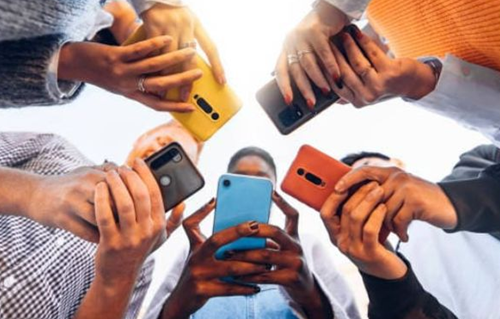
Well, you know that moment when you finally step away from work, close your laptop or phone, and think, Okay, I’ve earned some downtime? 2025 gives you multiple options to enjoy your spare time, in which you can rest, play, learn, and connect. The lines between relaxation and entertainment, socializing and solo time, have blurred.
But how exactly are people spending their free hours online these days? Read on to learn more.
Short-Form Video & Social Apps: the Default Downtime Scroll
If you asked someone where they “checked out” after a long day, many would say they opened TikTok, Instagram Reels, YouTube Shorts, or similar apps. Short-form video has become the default pause button in many people’s days.
Why is it so sticky
Algorithms now finely tune a feed to your tastes, mood, and time of day, making it almost effortless to find “something you like” every time. Deloitte’s 2025 media trends report highlights how social platforms are now competing directly with streaming services for people’s attention.
You open the app just to browse, and 30 minutes slip by. That’s the power of micro-entertainment. For many, a 2- or 3-minute video is enough to shift gears mentally without fully disconnecting.
What people do there
- Watch micro-tutorials: cook hacks, exercise moves, language bits
- Consume humor/memes / viral challenges
- Catch up on social news, trending moments
- Engage: comment, duet, stitch, repost
Streaming, Live Events & Real-time Social Viewing
When you want more than a clip, when you want a “sitting down” experience, streaming and live content dominate.
Where things stand
In May 2025, streaming captured 44.8% of all TV viewership, overtaking combined linear broadcast and cable for the first time. Globally, 76% of people say they use streaming services daily.
But streaming isn’t just passive consumption. It’s evolving to be social, interactive, and hybrid, pulling influence from social apps and integrating chat, polls, multi-camera angles, live chats, and tipping functions.
Gaming, Esports & Interactive Social Play
Gaming is no longer a niche for many; it’s central to online downtime. In 2025, it’s not just about “playing games,” but hanging out, spectating, and co-creating.
Types of play & engagement
- Casual & mobile games: quick PvP matches, puzzles, co-op mobile titles
- Console / PC / cloud gaming: deeper, longer sessions
- Esports & spectating: watching tournaments or pro streams
- Social gaming spaces: virtual hangouts (e.g., in-game rooms, chat)
- User-generated content inside games: mods, levels, custom servers
Gaming has become one of the primary social layers for many; it’s how they maintain friendships, meet new people, and express themselves.
As part of that, many people visit online casino sites to play, try free games, or explore new formats
Trends shaping gaming in 2025
- Cloud gaming is expanding (less hardware friction)
- Indie / smaller games are surging, often supported by communities s
- Some triple-A titles are losing the momentum they once had
Gaming is more integrated with streaming, with crossovers (watching streamers play, jumping into what you see live) and social invites. It’s not unusual for someone to spend half an evening hopping between games, streams, and chat.
Social Commerce, Micro-Shopping & Live Commerce
Another shift: downtime is no longer just about “watching”, it’s about buying, discovering, and interacting in real time.
What it looks like today
- A creator demos a product in a 60-second video, and viewers can buy without leaving the app
- Live shopping streams where hosts showcase items and viewers chat + purchase
- Shoppable short video ads, in-feed “buy now” buttons
- Flash sales tied to social trends or challenges
Creator-Led Hobbies: Learning, Making & Monetizing
Many people now use their downtime as “productive rest”: learning a skill, making something, or even earning money.
What’s trending
- Micro-courses and bite-sized learning (10- to 30-minute lessons)
- Tutorials for cooking, gardening, crafts, and programming
- Creative challenges (e.g., 30-day art/photo/writing prompts)
- Monetized content: creators offering premium lessons, paid community access, or “tips to learn” features
The barrier is low: if you have a smartphone, you can pick up a tutorial, follow along, post your results, and get feedback.
Wellness, Limits & the Pushback
As online becomes more entwined with free time, there’s a growing countertrend: stepping back intentionally.
Why people push back
- Digital fatigue: too many notifications, too many choices
- Mental health: studies increasingly point to the downsides of excessive screen time
- Desire for real-world experiences: nature walks, analog reading, in-person evenings
Conclusion
Digital leisure can be rich, rewarding, and social, but it’s not neutral. Intentionally choosing where your attention goes, placing limits, and inserting offline moments can make your “free time online” serve you, not the algorithm.
So next time you close your day, pause and ask: How do I want to spend these hours online?