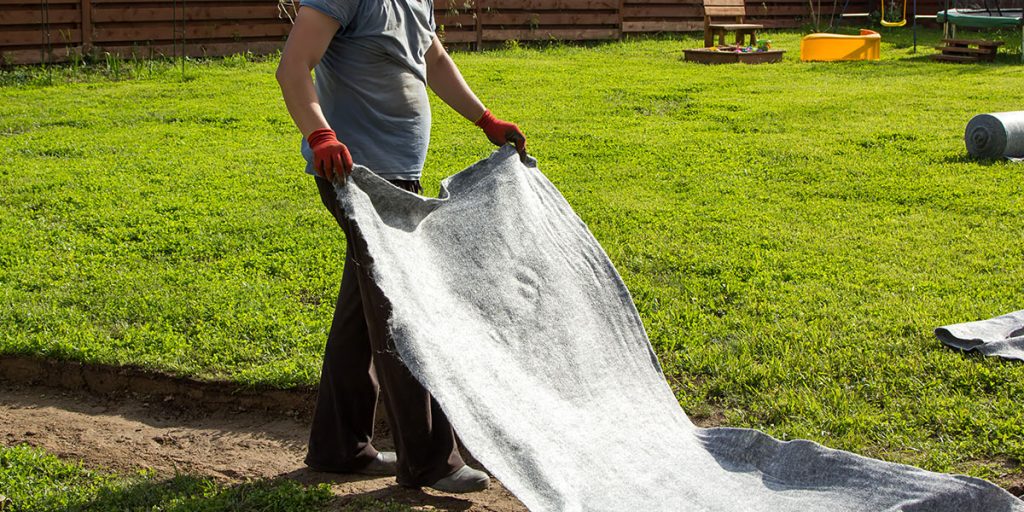
Every construction and landscaping project must deal with the quality and selection of materials that can optimize performance as well as enhance durability and be cost-effective. One of the captivating modern engineering advancements is geotextile fabric. This construction, roadworks, gardening, and drainage fabric is particularly useful in the areas of erosion control, landscaping, infrastructure stabilization, and even in maintenance landscaping. If appreciated, geotextile fabric can significantly improve comprehension and result in optimized investments for contractors, landscapers, and even property owners while reducing the demand for maintenance tasks.
Improving Construction and Landscaping Soil Stabilization and Soil Strength
Soil stabilization is one of the primary advantages that geotextile fabric offers. Weak and shifting soils while under construction can pose a threat to foundational integrity as well as the proposed driveways and pathways. Use of geotextile fabric aids in layering soil as well; with proper spacing, the soil’s load is balanced, allowing for reduced ground movement while enhancing overall strength. This is a common practice in road construction and landscaping. For the durability and safety of the projects, the fabric is placed between soil layers to act as a reinforcing layer.
Effective Methods of Managing Water Accumulation
Geotextiles Have a Unique Characteristic That Makes Them Central in Solving Various Construction Problems. In landscaping, the problem that arises is water accumulation. Geotextile’s water permeability fabrics prevent waterlogging, foundation shifting, and root rot in landscaping projects while improving the flow of water and maintaining soil structural integrity. Geotextile Materials Are Essential While Designing Retaining Walls and French Drains. Moreover, in the garden beds’ construction, they help to avoid overwatering, while the weeding is made easier, too.
Environmental and Landscape Preservation Using Geotechnical Fabrics
Geotextile materials play a crucial role in slope stabilization, which aids in averting the impact of flash flooding while preserving construction foundations, roads, and the landscape. Water and wind soil displacement are some challenges that geotextile fabrics deal with, preventing the foundation from soil displacement. These fabrics assist in the erosion control process from flash flooding and withstand supporting sustainable construction and preserving nature. Geotextile materials are popular with sloped gardens, riverbanks, and highways due to their stabilizing ability and reduction in frequent repairs. Due to reduced erosion, these materials are popular environmentally sustainable fabrics.
Weed Control and Ground Care
Among the various problems faced in landscaping, weed infestations are one of the most common. The use of geotextile or weed fabric as a barrier layer is useful in the prevention of weeds, as it stops the photosynthesis light while allowing free circulation of air and water to the soil. This is useful in garden beds and in pathways and driveways where a neat and low-maintenance surface is desired. When used in combination with gravel or mulch, geotextile fabric provides permanent weed suppression and reduces the need for landscaping chemicals as well as the associated time and finances.
Financial Advantages and Strength of Geotextile Membrane
In construction or landscaping projects, using geotextile membrane offers a great financial advantage in the long run. The initial investment might seem to be higher than using traditional approaches, but the longevity and effectiveness of the fabric save a lot of money on maintenance costs. Roads require less maintenance, drainage systems function longer, and landscapes need less attention. Projected durability is increased due to the geotextile membrane resistance to damage and environmental stress. This along with its ability to withstand harsh weather conditions adds enormous value to construction projects.
Adaptable Usage of Geotextile Membrane
Another notable advantage of geotextile fabric is the wide range of applications it can be used for. Its use extends from reinforcing garden and driveway pavements to shoreline erosion landscaping and even filling gaps in highway and parking lot pavements. Geotextile membranes are useful for separation, filtration, or reinforcement in different geotextile project needs. The reason why geotextile fabrics are effective as an added erosion control is due to their low installation cost and their ability to endure rugged wear and tear, which reduces the time, cost of labor, and overall expenses. Rather than some other construction materials, geotextile fabric membranes are construction materials that are flexible and strong, making them useful in large construction works as well as small do-it-yourself projects.
Final Thoughts
The construction and landscaping industries seem to overlook the multitude of benefits that geotextile fabric membranes offer. Soil stabilization, drainage control, erosion control, and weed suppression are some other critical benefits offered. Primarily, geotextile membranes enhance the durability of constructions while reducing maintenance and fostering eco-friendly approaches in the lifecycle of the project. Evidently, this innovative product geotextile fabric not only serves as an economical solution but rather as an enduring solution and investment, rather than a temporary aid. Geotextile fabric ensure construction or landscaping projects are equipped with strength, resilience, and optimal functionality.