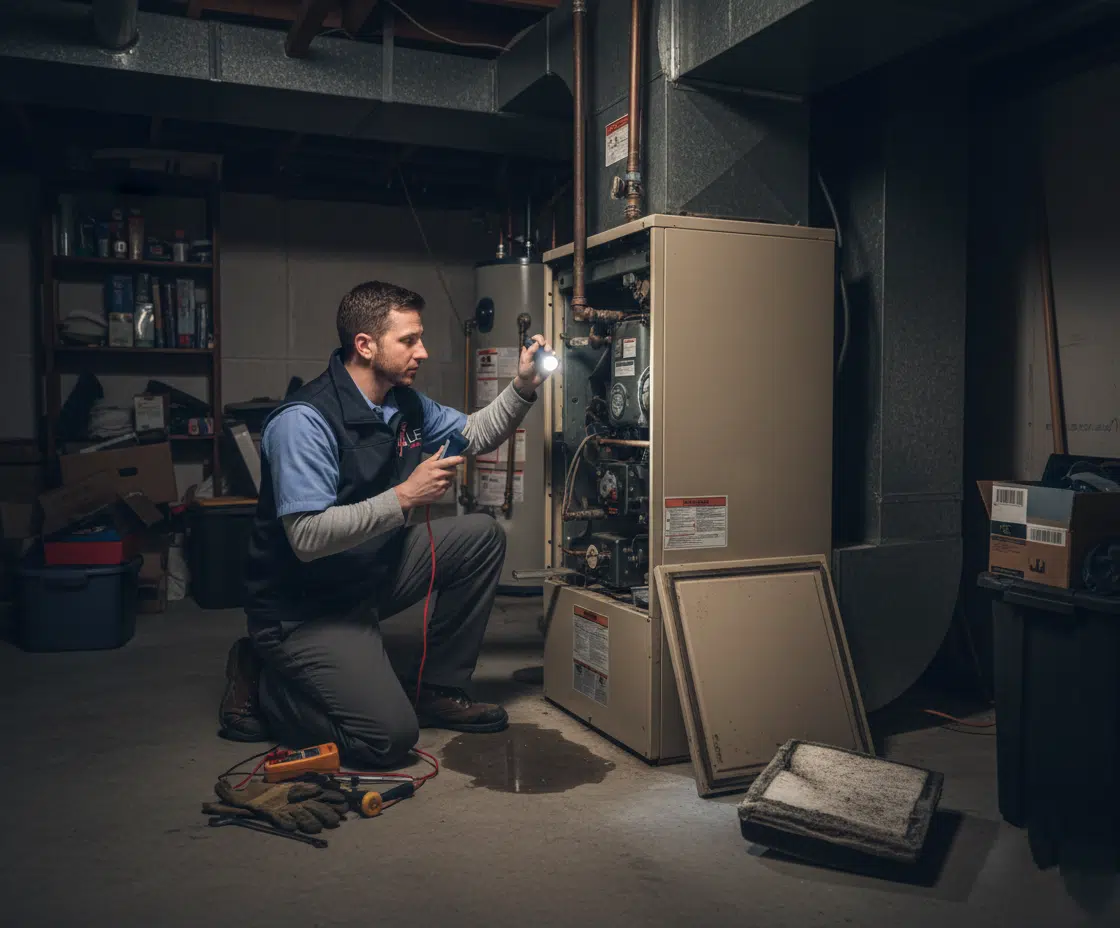
A furnace is a crucial part of any home’s comfort system, especially during the colder months when reliable heating is essential. However, many homeowners overlook early warning signs that their furnace may be heading toward a breakdown. Recognizing these signs before a complete failure can save time, money, and discomfort. Understanding what to look for and when to take action can make all the difference in maintaining a warm and safe environment. This article highlights the most common warning signs that indicate your furnace may need attention, helping you avoid unexpected and costly repairs.
What to Watch for Before Furnace Failure
Unusual Noises and Their Meaning
One of the first indicators that a furnace may be in trouble is the presence of unusual noises during operation. While all furnaces make some sound, persistent banging, rattling, or screeching noises are not normal and should not be ignored. These sounds can signal a range of issues, from loose components to more serious mechanical failures. For example, a banging noise might indicate a delayed ignition, which can be dangerous if left unchecked. Rattling could mean that panels or screws have come loose, while screeching often points to problems with the blower motor or belt. Ignoring these sounds can lead to more significant damage over time, potentially resulting in a complete system breakdown. Addressing these noises promptly by scheduling a professional inspection can help identify the root cause and prevent further complications. Regular maintenance and timely repairs are essential to keep your furnace running smoothly and quietly throughout the heating season.
Inconsistent Heating and Temperature Fluctuations
Another common warning sign that your furnace may be on the verge of a breakdown is inconsistent heating throughout your home. If you notice that some rooms are much warmer or colder than others, or if the temperature fluctuates unexpectedly, your furnace may not be distributing heat evenly. This can be caused by a variety of issues, such as clogged air filters, malfunctioning thermostats, or problems with the ductwork. In some cases, the furnace itself may be struggling to keep up with demand due to age or wear and tear. Homeowners often overlook these inconsistencies, attributing them to drafts or insulation problems, but they can be a clear indication that the system is not functioning as it should. Addressing these issues early can help prevent a complete breakdown and ensure that your home remains comfortable. If you notice persistent temperature differences, it may be time to have your system checked by a qualified hvac technician to diagnose and resolve the underlying problem.
Short Cycling and Frequent Restarts
Short cycling occurs when a furnace turns on and off more frequently than normal, often before reaching the desired temperature. This behavior is not only inefficient but also places unnecessary strain on the system, increasing the risk of a breakdown. Short cycling can be caused by a variety of factors, including a malfunctioning thermostat, clogged air filters, or issues with the furnace’s internal components. Over time, the repeated starting and stopping can wear out parts more quickly, leading to costly repairs or even the need for a full replacement. Homeowners may notice that their furnace seems to be running constantly but never quite manages to keep the house warm. This is a clear sign that something is wrong and should be addressed as soon as possible. Ignoring short cycling can result in higher energy bills and a less comfortable home environment. Scheduling a professional inspection can help identify the cause of the problem and restore your furnace to proper working order.
Rising Energy Bills
A sudden or unexplained increase in your energy bills can be a subtle but important warning sign that your furnace is not operating efficiently. When a furnace begins to struggle, it often requires more energy to produce the same amount of heat, leading to higher utility costs. This can happen for several reasons, such as dirty filters, worn-out components, or issues with the blower motor. Even if your home feels warm, the system may be working overtime to maintain that comfort, which is both costly and unsustainable in the long run. Monitoring your energy usage and comparing it to previous years can help you spot these trends early. If you notice a significant spike in your heating costs without a corresponding change in usage or weather, it’s time to have your furnace inspected. Addressing efficiency issues promptly can help lower your bills and extend the life of your heating system.
When to Call for Professional Help
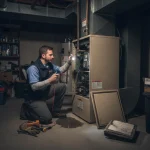
Sometimes, the warning signs of furnace trouble are subtle and easy to miss. If you notice any of the symptoms mentioned above, it’s important to act quickly. Delaying repairs can lead to more extensive damage and higher costs down the road. A professional technician can diagnose the issue, recommend the appropriate repairs, and ensure your system is safe to operate. Regular maintenance visits are also a good way to catch potential problems before they become serious. Don’t wait until your furnace stops working entirely—taking action at the first sign of trouble can save you time, money, and stress.
The Importance of Regular Maintenance
Regular maintenance is one of the most effective ways to prevent furnace breakdowns and extend the life of your heating system. During a maintenance visit, a technician will inspect all components, clean or replace filters, check for leaks, and ensure that the system is operating safely and efficiently. This proactive approach can help identify small issues before they turn into major problems, reducing the likelihood of unexpected breakdowns. Maintenance also helps improve indoor air quality by keeping filters clean and ensuring proper airflow. Investing in annual maintenance not only keeps your furnace running smoothly but also provides peace of mind throughout the heating season. Homeowners who prioritize regular check-ups often experience fewer emergencies and enjoy more consistent comfort in their homes.
Conclusion
Recognizing the warning signs of furnace trouble before a breakdown occurs is essential for maintaining a comfortable and safe home. Unusual noises, inconsistent heating, short cycling, and rising energy bills are all indicators that your system may need attention. Addressing these issues promptly can help prevent costly repairs and ensure reliable performance throughout the winter months. Regular maintenance and timely professional inspections are key to catching problems early and extending the life of your furnace. By staying alert to these warning signs and taking action when needed, you can avoid the inconvenience and expense of a complete furnace failure.