Switching to solar energy is a major step for homeowners and businesses who want to save on electricity costs while making a sustainable choice for the future. In Lodi, the growing interest in solar has made efficient installation timelines more important than ever. People do not want endless delays or confusing processes—they want clarity, speed, and a reliable outcome. We will explore how a structured, step-by-step approach ensures that solar projects move smoothly from permits to powering homes. By understanding the stages of this journey, residents of Lodi can better prepare themselves, anticipate what to expect, and feel confident in the process of turning sunlight into reliable electricity.
The Streamlined Journey from Paperwork to Solar Power
The path to solar energy in Lodi begins with a simple consultation but expands into several carefully coordinated steps that ensure legal compliance, safety, and long-term efficiency. Many homeowners first connect with the Lodi office to arrange this initial meeting, ensuring they receive guidance tailored to local requirements and conditions. The first stage is usually the site assessment, where a team examines roof condition, energy usage patterns, and shading factors. This step is crucial because it determines whether a property is a strong candidate for solar panels and helps shape the design of the system. A thorough assessment prevents unexpected issues later, like roof reinforcement or electrical upgrades, which can slow down the project if overlooked.
Once the assessment is complete, design plans are drafted. These plans strike a balance between efficiency, roof space, and the property owner’s budget. At this point, homeowners typically gain a clear picture of how their system will look and how much energy it is projected to produce. Designs are also tailored to meet building codes and utility requirements, which is especially important in California, where regulations are strict but necessary for safety and sustainability. The design process is where expectations are aligned, setting the stage for the official permitting process.
Permitting is often viewed as a time-consuming step, but in reality, it is what ensures compliance and smooth integration with the local power grid. The city of Lodi requires building permits and utility approvals before installation can begin. Having knowledgeable professionals who understand municipal guidelines significantly speeds up this stage. A well-prepared application, complete with accurate design documentation and structural details, helps avoid delays with city departments. While some homeowners might be tempted to skip or rush through this step, it is essential for avoiding fines, failed inspections, or legal setbacks in the future.
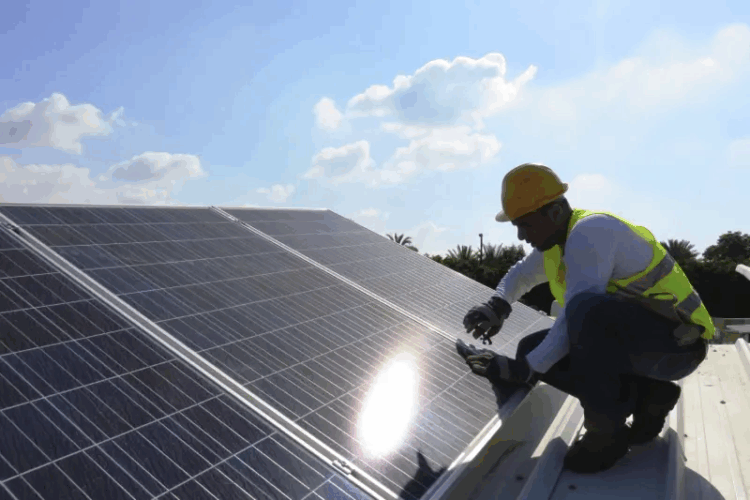
With permits secured, the installation process begins. This phase usually takes only a few days, depending on system size and roof structure. Panels are mounted, wiring is completed, and inverters are installed to convert sunlight into usable energy. This installation approach mirrors best practices seen in other regions, such as Missouri solar panel installation, where efficiency and regulatory compliance play equally vital roles in ensuring system performance and longevity. During this time, crews work efficiently while ensuring safety measures are followed. Temporary inconveniences, such as limited access to driveways or brief noise from equipment, are small compared to the long-term benefits of producing clean, renewable electricity. Once installation is complete, the system undergoes inspections by both city officials and utility representatives. These inspections confirm that the setup is safe, reliable, and ready to connect to the grid.
The final stage is what every homeowner looks forward to—powering on the system. After utility approval, the solar panels are activated, and electricity begins flowing directly into the home or business. At this point, customers often notice an immediate drop in their energy bills. Some may even produce surplus power that can be credited back to them through net metering programs. This transition is more than just financial; it represents energy independence and a step toward sustainability. From consultation to activation, the timeline can be surprisingly efficient when handled with precision and care.
In Lodi, North Valley Solar ensures that these steps unfold with minimal stress for the customer. By focusing on clarity and organization, the company has developed a streamlined process where each stage builds upon the last, thereby reducing delays and preventing complications. For residents, this means less time worrying about paperwork and more time enjoying the benefits of renewable power. A structured process not only saves time but also provides peace of mind, knowing that compliance, safety, and efficiency are prioritized throughout the journey.
One key reason this process stands out is its emphasis on communication. Many homeowners hesitate to switch to solar because they fear being left in the dark about next steps, costs, or potential setbacks. By maintaining clear communication at every stage—assessment, design, permitting, installation, and activation—customers feel supported and informed throughout the process. This level of transparency makes the transition to solar energy less intimidating and more empowering. People in Lodi can make the shift with confidence, knowing they are guided from start to finish with a clear timeline in place.
Additionally, the installation timeline aligns with the city’s commitment to renewable energy goals. Lodi has been steadily encouraging clean energy solutions, and efficient solar projects help the community move closer to these objectives. When projects are completed quickly and correctly, more residents are encouraged to follow suit, accelerating adoption across neighborhoods. This ripple effect is important not only for individual households but also for the city as a whole, reducing reliance on traditional energy sources and contributing to environmental responsibility.
The streamlined installation timeline from permit to power on demonstrates how solar energy can be adopted with ease and confidence in Lodi. From initial consultation and design to securing permits, completing installation, passing inspections, and finally activating the system, each stage works together to create a seamless process. Companies like North Valley Solar simplify the journey, ensuring that customers are supported and informed at every turn. For homeowners and businesses, this efficiency translates into quicker savings, greater independence, and a meaningful step toward sustainability. Choosing solar is not just an investment in lower bills—it is a commitment to a cleaner, brighter future.