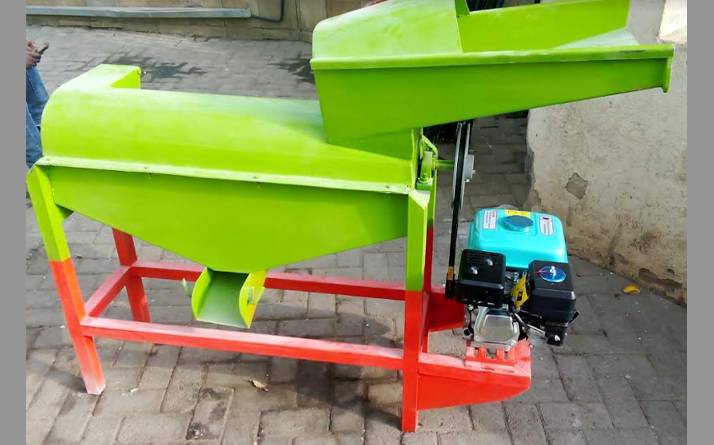
Agriculture remains the backbone of Kenya’s economy, and maize is the most widely grown crop throughout the country. After harvesting, how maize is handled is crucial because it directly affects both the quality and the final weight that reaches the market. For many years, farmers depended on hand shelling, a process that consumes long hours, burns through labor, and rarely gives the best results. Modern maize shellers now serve as a key ally for both smallholders and commercial growers, shrinking the amount of time work takes, cutting down running costs, and allowing yields to climb. To make a good investment, a farmer therefore needs to know the maize sheller machine price in kenyato choose equipment that pays for itself in less time.
The Role of Maize Shellers in Modern Farming
Maize shellers strip grain from the cob in record time, leaving no room for post-harvest lag that jeopardizes quality. When demand for maize flour, seed, and livestock feed surges, delays translate directly into lost revenue, and that margin is too narrow for the average grower. A sheller pays for itself not only in hours saved but also in the grains that stick to the cob because human fingers tire too soon. When husking is the bottleneck, cob plus husk spoil in the sun, chips trickle into the dust, and prospective bushels slip through extended fingers. The machine does not just speed up the job; it shrinks teams at the highest cost of labor. Savings soon become surplus, and maize farmers report that it is no longer optional gadgetry. On Kenyan farms, the maize sheller is now a strategic ally in the balanced ledger of national food security and higher household earnings.
Factors Fueling the Cost of Maize Shellers in Kenya
Price is never one-dimensional when you’re in the market for a maize sheller. First, the machine’s size directly impacts what you’ll end up spending. Compact units that serve one farmer or a small group stay within a low bracket, but the instant you step up to motor-driven, commercial-grade models, the price climbs. Brand reputation, the alloy of metal, anticipated lifespan, and country of origin—local assembly spots or overseas factories—also tilt the scale. Finally, add in the smaller, seemingly trivial entries: freight from the port, the duty or VAT tag, and availability of local spares, and you begin to see the full picture. A farmer who pauses to map these variables tends to make the buy that subtracts cost rather than adding to it.
Advantages of Owning a Maize Sheller
Perhaps the sharpest pencil we can draw is the clock that keeps cutting. A manual shelling round is an exhausting, multi-day chore for any seasoned farmer; the right machine, meanwhile, wraps it up in the span of a morning. Beyond speed, the cascade of benefits rolls out: grains of the same, clean yardstick pitch for a premium in buying halls, market stores clothing shelves rather than the floor, and less maize hitting the rotten bin-of-shame, moldy day-old. There’s that upside, and a second nagging midwinter reminder: labor pinch, season price. When harvest is overhead, a farm’s labor unit is often loftier than premium certified seed—costing thirty, yet thirty again within the day. A machine, featherweight savings, seen through the right lens, in a season’s pressure light, handles the quiet and frees cash simultaneously.
Why Maize Sheller Pricing Matters for Kenyan Farmers
Most smallholder farmers will tell you the first screen they apply to any new piece of equipment is the cost. The maize seller price in Kenya can make or break the decision to adopt this crucial technology. When shellers are competitively priced, thousands more farmers can take the plunge, leading to faster forking of grain, lower post-harvest losses, and more grain for the market. In addition to the immediate gains in time and food security, the extra income that follows is often reinvested in seed, school fees, and new farm tools, effectively multiplying the benefits and tightening the nuts on the country’s food chain. In short, the price tag is not just a number; it is a pathway to opportunity.
Shopping for Maize Shellers of Proven Value in Kenya
The maize sheller market in Kenya is wide, giving farmers multiple buying windows to screen for the right machine. District dealers are the first stop for most, as not only can they offer hands-on demos, but they can also back spare parts—and that’s a huge cost-saver. Some societies are now stocking shellers at cooperative stores, turning buying into an easy bulk purchase. For those more purchase-minded, online platforms showcase models from various dealers. Rather than buying the first machine that becomes available, each farmer is wiser to gather three or four quotations, study the warranty packages, and whenever possible speak to other farmers who have journeyed the same purchasing road. Where market competition is sharp and machine life can sway profit margins, the few hours of price and background checking frequently turn into the best type of farming advice.
Choosing the Right Sheller for Lasting Benefit
A simple price tag doesn’t settle the question of which maize sheller to buy. Farmers ought to add up the full value equation: how long the machine lasts, how easy and how often it must be serviced, and how much it drinks in fuel, grease, and parts. Something that costs less today may drain money and patience later when repairs and unplanned downtime pile up. Put the top-quality machine on the table, even if it costs more on the receipt right now, and it will save markups on the long road. Look for the sweet spot where the investment is still manageable, but the efficiency and the returns are highest.
Closing Thoughts
A sheller has changed the game for maize in Kenya. Harvest that once dragged on for days now wraps up in quick hours, grains tumble free without wasting, and the cash ledger feels the difference. Knowing maize sheller prices in Kenya, yes, but taking the full value scan price web Pliers on December. Spend some time investigating how long the machine will last, how hard the husking will be on the parts, and how the lever and fuel will open. The machine is the right option again on the receipt today. Those tally Bien fort will shrink the volumes still hanging after harvest, still for Ning income. A machine that makes that right commitment for one farmer sums to a stronger sector and feeds the country, a grain of a strain