
A smartphone can help build better habits when people use it as a practical routine tool instead of a constant distraction. Habits depend on small actions repeated at the right time. A phone can make those actions easier to remember, easier to track, and easier to repeat. It can remind someone to drink water, walk after lunch, review notes, plan tomorrow, save receipts, or sleep earlier. It can also show patterns that people usually miss. The phone will not create discipline by itself. But when the user sets clear rules, it can turn vague goals into visible steps that fit naturally into daily life.
Turning Good Intentions Into Daily Actions
Reminders Give Habits a Clear Trigger
Many habits fail because the person forgets the exact moment to act. A reminder helps by turning a vague goal into a clear cue. “Stretch at 8:00” works better than “be healthier.” “Review five words after breakfast” works better than “study more.” A smartphone makes these cues easy to place inside normal routines. The user can set reminders by time, location, or repeated schedule. This works especially well for small habits that need consistency, such as taking medicine, drinking water, journaling, or preparing clothes before sleep. The phone does not force action, but it reduces the chance that the habit disappears from attention.
Timers Make Big Goals Feel Smaller
Large goals often feel too heavy to start. A timer can make them more manageable. Instead of planning a full workout, a person can begin with ten minutes of movement. Instead of cleaning the whole room, they can clear one surface for fifteen minutes. Instead of reading a full chapter, they can read until the timer ends. A smartphone timer creates a simple boundary, which lowers resistance. The user no longer needs perfect motivation. They only need to start a short session. Over time, these small timed sessions build trust. The habit becomes less dramatic and more repeatable.
Checklists Create a Sense of Progress
A checklist gives the brain a visible finish line. This helps when a habit has several small steps. Morning routines, study plans, meal preparation, skincare, budgeting, and exercise all become easier when the user can see what comes next. A smartphone checklist also travels with the user. It can update during the day and carry unfinished tasks into tomorrow. This prevents the routine from depending on memory alone. The best checklists stay short. Too many items can turn a helpful tool into pressure. A clean list with a few repeated actions helps users build rhythm without making the habit feel like another burden.
Making the Phone Support the Habit, Not Break It
Battery Life Keeps the System Available
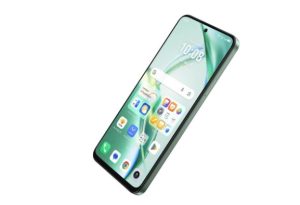
A habit system only works when the device stays ready. If the phone battery drops too early, the user may stop using reminders, timers, habit apps, maps, notes, calls, and saved videos. This is why reliability matters in daily habit building. The HONOR X7c 5G phone fits naturally into this routine-focused use with its 5200mAh battery, 35W SuperCharge, Ultra Power-Saving Mode, 256GB storage, 120Hz screen, and smooth performance supported by HONOR RAM Turbo Technology. Its drop and water resistance also suit habits that happen outside the desk, such as walking, commuting, errands, exercise, and family activities. The phone supports consistency quietly in the background.
Focus Settings Protect the Habit Window
A smartphone can support habits, but it can also interrupt them. Notifications can break reading, sleep preparation, exercise, study, or meal planning before the habit becomes stable. Focus settings help users decide what gets attention and what stays silent. Someone can mute social alerts during a study block while keeping calls from family available. They can silence apps after a certain hour to protect sleep. They can create a morning screen with only calendar, notes, weather, and health tools. This turns the phone into a controlled environment. The habit gets a protected window instead of competing with every app.
Photos and Notes Reveal Real Patterns
People often forget what helped or blocked a habit. A smartphone can record these small details. A user can photograph meals, save walking routes, note energy levels, record spending, or write a few words about sleep. These records do not need to be perfect. They only need to show patterns. Someone may notice they walk more when shoes stay near the door. They may spend less when they check a list before shopping. They may sleep better when they stop watching videos earlier. Photos and notes turn daily behavior into visible evidence. This helps users adjust habits based on reality, not guesswork.
Conclusion
A smartphone can help build better habits when people design it around clear cues, short actions, visible progress, and protected focus. It can remind users at the right time, make large goals feel smaller, organize routines, record patterns, and support review throughout the day. The phone should not become another source of noise. It should reduce friction and make good actions easier to repeat. Better habits still depend on personal choice and consistency, but the right phone setup can make that consistency more realistic. Used with discipline, a smartphone becomes a practical tool for steady daily improvement.