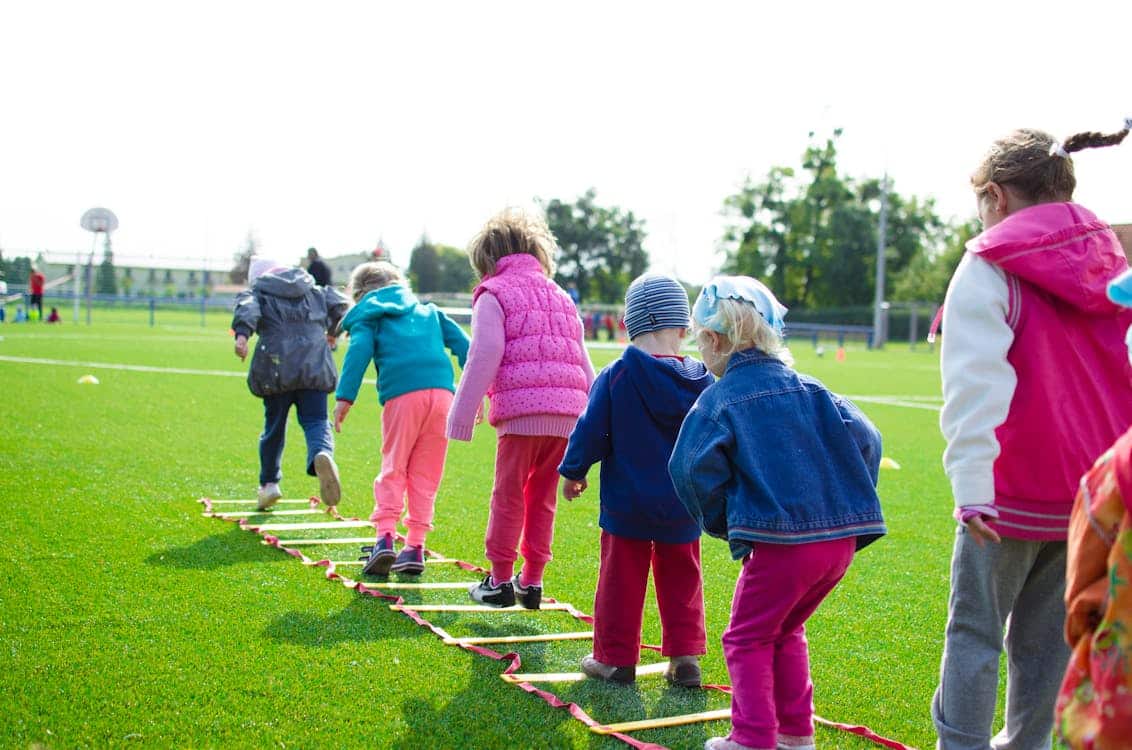
Early movement activities supply children a robust base for coordination and self-belief as they grow. Small, playful responsibilities teach balance, timing, and frame consciousness while keeping exercise fun and encouraging. Caregivers who offer safe challenges and mild rewards help youngsters try new movements without worry. Short, regular periods make it less difficult for children to be aware of development and live motivated to practice more. Over time, those simple exercises help strengthen motor abilities and provide a fantastic view of being lively.
Play Foundations
Children learn best when play is varied, familiar, and slightly challenging. Start with easy actions that match a child’s current ability and add subtle changes to keep growth steady. Group games and guided practice both matter because one gives structure and the other invites exploration. Many programs that focus on early activity show how organized play can support steady progress, and examples like Athletics at Rosarian Academy highlight ways to arrange playful sessions that build core movement skills. Keeping activities brief and frequent helps skills become comfortable habits.
Balance Games
Balance practice builds posture control and safe movement in daily life. Simple warm-ups help children feel steady and ready before trying new balance tasks.
- Walk heel to toe along a low line to develop focus and careful foot placement.
- Stand on one foot while passing a soft ball to improve stability and coordination.
- Step across spaced markers to enhance spacing control and stepping accuracy.
- Reach for a suspended object to strengthen core balance and safe upper body reach.
- Move slowly along curved paths to practice steadiness and gradual directional changes.
Throwing Skills
Throwing activities strengthen arm coordination, timing, and hand grip, which support many play skills. Begin with soft objects and short distances so children can aim and feel success quickly. Show simple steps like how to hold the object, how to aim and when to release. Use colorful targets and clear rules so each throw feels purposeful and rewarding. Gradually increase distance or target size as skill improves while keeping encouragement steady and consistent.
Catching Drills
Catching tasks sharpen visual tracking, hand stability, and reaction timing. Start with basic steps and add a little challenge as each skill becomes easier for the child.
- Toss a small bean bag from close range to practice watching and soft hands.
- Bounce a medium ball once then catch to train timing and anticipatory focus.
- Use two-handed catches before attempting single handed grips for steady learning.
- Practice catching while stepping to teach balance and moving visual focus together.
- Clap once then catch on the next toss to build rhythm and attention control skills.
Running Techniques
Start with short sprint relays that include rest intervals to match developing stamina. Add simple cones or markers to encourage changes in direction and light footwork practice. Remind children to use arms naturally and to breathe calmly during play to promote steady motion. Use playful races that reward steady effort and personal improvement rather than only who finishes first. Gradual increases in distance and variety help endurance while preventing overload.
Coordination Mix
Combining different skills in a single session helps children connect movements into more complex actions. Short circuits that blend balance throwing catching and running give a rounded practice that improves overall control.
- Walk a balance beam then throw into a target before running a short loop for full body work.
- Perform five quick catches then step through agility markers to link hands and legs movement.
- Balance on one foot then pass a ball to partner to combine stability with social play.
- Run to a cone pick up an object and return smoothly to build sequence memory and control.
- Repeat a quick circuit twice to reinforce movement patterns without causing fatigue or boredom.
Coaching Tips
Gentle coaching helps children learn faster while keeping play enjoyable and safe. Use simple cues, show actions slowly, and focus on effort so kids stay confident and willing to try. Give short demonstrations for each activity so children can copy clear movement examples. Use encouraging language that praises trying and small improvements rather than only success. Break tasks into tiny steps when something feels too hard and let children practice each step slowly. Keep sessions brief and frequent to fit short attention spans and avoid pushing until the child is tired. Let children choose a favorite activity sometimes so they feel ownership and remain engaged.
Playful Progression
A simple plan that adds challenges gradually helps convert casual play into steady skill growth. Track basic markers so improvements become visible and easy to celebrate. Begin with baseline tasks such as walking a line or catching a soft ball and repeat them two to three times weekly. Increase difficulty slowly by changing distance, timing, or movement complexity every one to two weeks. Introduce new tasks once the child shows comfort with current ones to keep momentum without causing stress. Keep notes on successes and liked activities to guide future practice choices. Adjust the plan when progress slows so practice stays effective and enjoyable.
Skills in Motion
Structured playful practice helps young children develop useful motor skills while preserving the joy of movement. Combining balance, throwing, catching, and running into short, varied sessions creates a broad base for confident action. Caregivers who offer steady guidance gentle correction and frequent praise support the fastest learning. Over time these small steps form habits that lead to stronger coordination, better body awareness, and more willingness to try new physical challenges. For programs or groups seeking models to follow, information about Athletics at Rosarian Academy can illustrate practical ways to organize play based sessions that foster steady development and lasting enthusiasm.