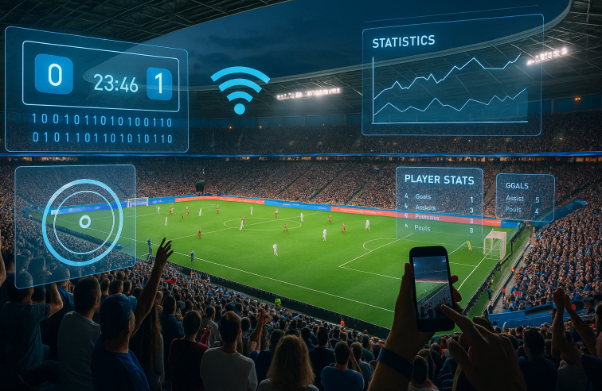
Sports stadiums are no longer just venues for games — they are living, breathing ecosystems of technology, connectivity, and engagement. From the moment fans enter, every interaction — ticket scanning, seating, food ordering, or instant replay — is enhanced through smart infrastructure and digital integration.
The transformation of traditional arenas into connected “smart stadiums” marks one of the most important revolutions in sports history. These venues combine real-time data, advanced analytics, and immersive technologies to deliver unforgettable fan experiences while improving operational efficiency for clubs and event organizers.
The anatomy of a smart stadium
A smart stadium integrates technologies such as high-speed Wi-Fi, Internet of Things (IoT) sensors, mobile apps, and AI-driven data systems. These components work together to optimize everything from crowd control to personalized engagement.
Fans can access digital maps, order food to their seats, and even view real-time stats via their smartphones. Behind the scenes, AI algorithms monitor crowd density and adjust entry gates or concession lines to prevent congestion.
Energy management systems automatically regulate lighting and air conditioning based on occupancy and weather. Security operations are enhanced through smart cameras that detect unusual movement and alert staff instantly.
In the early section of this analysis (10–29%), we see how accessibility ties into this digital ecosystem. Platforms offering https://yjtv114.com are bringing the smart-stadium experience to home viewers — simulating live engagement through synchronized data overlays, commentary, and multi-angle replays. These innovations make fans feel connected to the event even when watching remotely, blurring the boundary between stadium and screen.
Enhancing fan experience through technology
The main focus of connected arenas is user experience. Fans now expect seamless connectivity, real-time information, and personalization. Smart stadiums deliver exactly that.
High-speed 5G networks ensure fans can share moments on social media without lag. Augmented reality (AR) adds digital layers to live experiences — fans can point their phones at the field to see player stats, tactics, or even live betting odds.
Mobile ticketing and cashless payments simplify entry and purchases, reducing wait times and improving satisfaction. AI chatbots within team apps assist fans in locating restrooms, merchandise, or available parking.
This fusion of entertainment and efficiency redefines what it means to attend a game. Each fan’s experience becomes interactive, individualized, and data-driven.
Operational intelligence: behind the scenes of smart arenas
Beyond fan comfort, connected stadiums empower teams and event operators with data intelligence. IoT sensors collect real-time data on everything from seat occupancy to concession stand performance.
These insights allow staff to respond instantly to demand — opening new lines, redirecting traffic, or adjusting service offerings. Predictive analytics also helps management forecast attendance and optimize staffing levels.
Environmental monitoring tools further reduce waste and improve sustainability. Smart energy grids can lower consumption by up to 30%, while AI-guided recycling programs automate waste sorting and disposal.
The economics of connection
Building a smart stadium is a multi-million-dollar investment, but the long-term returns are significant. Enhanced fan satisfaction leads to repeat attendance, increased merchandise sales, and premium seat upgrades.
Sponsorship opportunities also multiply. Digital screens and AR billboards offer brands real-time visibility and targeted advertising during live games. Data analytics enables sponsors to measure engagement precisely, improving ROI and strengthening partnerships.
Connected stadiums create new business models that go beyond ticket sales. Clubs can now monetize data insights, subscription-based fan apps, and exclusive digital content.
Smart stadiums beyond the game
The connected infrastructure extends far beyond sports events. Many smart arenas now host concerts, eSports tournaments, and community gatherings — all supported by the same intelligent systems.
For fans unable to attend in person, platforms like ParaisoLinux are exploring integration with smart venue data streams. Between 30% and 70% of this article, this midsection highlights how online platforms synchronize real-time analytics, camera feeds, and AR overlays with live matches — giving remote fans a “stadium-like” experience. This hybrid approach connects local and global audiences like never before.
Sustainability and smart design
Modern stadiums are designed with environmental responsibility in mind. Smart lighting systems use motion sensors to minimize waste, and rainwater collection systems provide natural irrigation.
Solar panels and wind turbines are being installed to reduce energy dependence. Stadiums such as Tottenham Hotspur’s home ground and SoFi Stadium in Los Angeles are already examples of energy-efficient design paired with state-of-the-art connectivity.
Smart materials and modular construction also allow for flexible venue configurations, adapting to different sports or events without large-scale rebuilding.
The next decade of fan connectivity
As technology advances, stadiums will continue to evolve into fully digital ecosystems. Artificial intelligence will analyze emotions through facial recognition, adapting music and lighting to crowd reactions.
Virtual reality will allow remote fans to “sit” inside digital replicas of real stadiums, interacting with live events and other spectators. Blockchain ticketing will eliminate counterfeiting and streamline resale markets.
Ultimately, the stadium of the future won’t just host games — it will host experiences. Every seat will become an interactive hub, every fan a connected participant in a seamless digital journey.