When most people think of home lifts, they picture residential elevators built for comfort, convenience, and accessibility. However, modern lift technology has evolved far beyond private homes. Today, vertical transportation systems are being used across a wide range of environments — from retail spaces and warehouses to healthcare and hospitality — offering efficient and safe ways to move both people and goods.
The Evolution of Lift Technology
Lifts are no longer limited to moving residents between floors. Advances in automation, materials, and compact design have led to a new generation of systems that can be customized for virtually any space. Whether used for transporting supplies in a business or improving accessibility in a public building, modern lifts are designed for durability, efficiency, and ease of use.
Let’s explore how lifts are now being utilized beyond the typical home environment.
Key Lift Use Cases Beyond the Home
1. Retail and Commercial Buildings
In multi-story retail stores, small lifts make it easy for staff to restock inventory or move items between floors. Restaurants often use compact service lifts to discreetly transport food, dishes, or cleaning supplies, ensuring a seamless dining experience for customers.
2. Warehousing and Industrial Settings
Cargo lifts simplify the movement of heavy goods, tools, and bulk materials between levels. This minimizes workplace strain and helps maintain smooth, efficient operations — especially in facilities where safety and speed are top priorities.
3. Healthcare and Medical Facilities
Hospitals and clinics benefit from compact lifts used for transporting medical records, supplies, and lightweight equipment. These systems reduce hallway congestion and allow staff to focus more on patient care instead of manual transport tasks.
4. Hospitality and Lodging
Hotels, resorts, and boutique inns rely on small cargo or service lifts to move linens, food, and luggage between floors. These systems improve operational efficiency and guest experience by keeping service routes discreet and organized.
5. Vacation Homes and Short-Term Rentals
Property owners are increasingly adding residential elevators or dumbwaiters to enhance guest convenience. Whether for carrying luggage, groceries, or providing mobility access for older guests, these systems make vacation properties more appealing and accessible.
6. Outdoor Access and Challenging Terrain
Outdoor vertical lifts are ideal for hillside or waterfront properties, helping residents and guests reach decks, garages, or docks with ease. They provide safe, weather-resistant mobility across steep or uneven landscapes.
Common Types of Lifts Used Outside Traditional Homes
- Cargo Lifts: Built for heavy loads, perfect for warehouses, workshops, and large residential garages.
- Outdoor Vertical Lifts: Weather-resistant systems that offer easy access to elevated outdoor areas or multilevel properties.
- Dumbwaiters: Compact lifts for moving small goods like food, books, or laundry between floors in restaurants, offices, or homes.
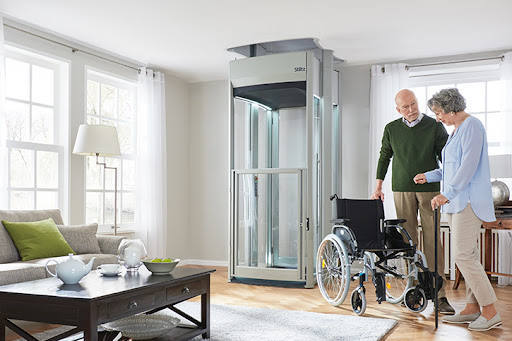
- Platform or Accessibility Lifts: Designed for individuals with limited mobility, providing safe and reliable access in public spaces or multi-story buildings.
Key Benefits of Expanding Lift Use
- Improved Safety: Reduces manual lifting and the risk of falls or strain injuries.
- Higher Efficiency: Streamlines movement of people and materials across floors.
- Enhanced Accessibility: Ensures inclusivity for individuals with mobility challenges.
- Increased Property Value: A modern lift system enhances both usability and market appeal.
Final Thoughts
Lifts are no longer a luxury reserved for high-end homes or commercial towers. With advancements in residential elevator design and technology, vertical access has become more practical, versatile, and affordable. Whether in a private home, vacation property, or business, integrating a lift system adds convenience, safety, and long-term value.
Frequently Asked Questions
Q1: What types of lifts are commonly used outside traditional homes?
Popular options include cargo lifts, outdoor vertical lifts, dumbwaiters, and platform lifts for accessibility.
Q2: Are lifts for businesses different from residential elevators?
Yes. Commercial lifts typically have higher weight limits, more frequent usage ratings, and must comply with stricter safety and building codes.
Q3: Can outdoor lifts handle different weather conditions?
Modern outdoor lifts are built with corrosion-resistant metals, sealed electrical systems, and durable coatings to ensure reliable performance in varying climates.
Q4: How do businesses benefit from installing lifts?
They improve workflow efficiency, reduce manual handling injuries, and create a safer work environment.
Q5: Are there lift solutions for public buildings or accessibility needs?
Absolutely. Platform and accessibility lifts are widely used in schools, offices, and public facilities to ensure compliance with accessibility standards.
Q6: What factors should be considered before installing a lift?
Purpose (passenger or cargo), space availability, load capacity, safety features, installation site (indoor or outdoor), and maintenance requirements should all be evaluated.