Imagine buying a slice of a luxury Manhattan penthouse for $50. Not a timeshare that limits when you can visit. Not a crowdfunding investment buried in paperwork. Actual ownership that you can trade, sell, or hold for dividends – just like owning stock in Apple or Tesla, except your investment is backed by real bricks and mortar.
This isn’t fantasy anymore. While most people still think real estate investment requires massive capital, complex legal processes, and geographic limitations, a quiet revolution is making premium properties accessible to anyone with a smartphone and a few dollars to invest.
The old rules that kept ordinary people out of real estate wealth-building are crumbling. Million-dollar minimums, exclusive investor networks, and geographic barriers that once protected institutional advantages are being replaced by technology that democratizes access to the world’s most stable asset class.
The $100 Million Problem: Why Real Estate Investment Is Broken
Traditional real estate investment operates like an exclusive club designed to keep regular people out. Want to invest in that profitable office building downtown? You’ll need $500,000 minimum, plus connections to the right investment groups, plus months of legal paperwork, plus the ability to lock up your money for years without access.
The mathematics are brutal for individual investors. A successful commercial property might generate 8-12% annual returns, but the entry barriers make these opportunities available only to institutions and ultra-wealthy individuals. Regular people get stuck with REITs that provide limited control and mediocre returns, or they overpay for residential properties in their local markets regardless of better opportunities elsewhere.
Geographic limitations compound the problem. The best real estate investments might be in markets thousands of miles away from where you live. A software engineer in Portland might recognize that Miami’s waterfront developments offer superior returns to anything available locally, but accessing those opportunities through traditional channels is practically impossible.
Liquidity represents another fundamental flaw in traditional real estate investment. Unlike stocks that you can sell in seconds, real estate investments lock up your capital for years. Need cash for an emergency or a better opportunity? Too bad. Your money sits immobilized while life happens around you.
The complexity and costs of traditional real estate transactions create additional barriers that benefit insiders while punishing regular investors. Legal fees, due diligence costs, property management expenses, and transaction fees can consume substantial portions of potential returns before you even begin earning income from your investment.
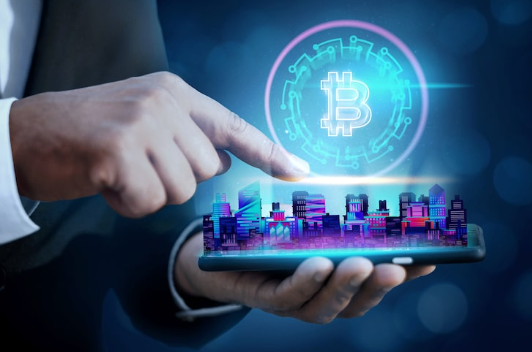
Real estate tokenization eliminates these barriers by transforming property ownership into something that works more like stock ownership. Instead of buying entire buildings, you buy tokens that represent fractional ownership. Instead of geographic limitations, you access global opportunities. Instead of illiquid investments, you get assets you can trade instantly.
Digital Ownership Explained: How Property Becomes Tradeable Tokens
The concept behind real estate tokenization sounds complicated but works simply in practice. Think of it as converting property ownership into digital shares that anyone can buy, sell, and trade through secure online platforms.
Here’s how it works in reality. A luxury development worth $10 million gets divided into 10 million digital tokens, with each token representing $1 of ownership in the property. Investors can buy as many tokens as they want – 100 tokens for $100, 50,000 tokens for $50,000, or any amount in between.
The blockchain technology behind tokenization ensures that ownership records are permanent, transparent, and impossible to forge. When you own tokens representing a property, your ownership is recorded on a public ledger that no one can manipulate or erase. This provides security that actually exceeds traditional property ownership in many ways.
Smart contracts automate most of the complex processes that make traditional real estate investment expensive and slow. Rental income distribution, property management decisions, and ownership transfers all happen automatically based on predetermined rules coded into the system.
The legal structure protecting tokenized real estate ownership has evolved to provide the same rights and protections as traditional property investment. Token holders receive proportional shares of rental income, appreciation gains, and decision-making power just like conventional real estate investors.
Key benefits of tokenized property ownership include:
Accessibility Advantages:
- Fractional ownership starting from small dollar amounts
- Global access to premium properties regardless of location
- Elimination of traditional investment minimums and exclusive networks
- Simplified investment process through user-friendly digital platforms
Liquidity Improvements:
- 24/7 trading capability through digital marketplaces
- Instant ownership transfers without lengthy legal processes
- Ability to sell portions of holdings rather than entire investments
- Access to global buyer pool increasing sale opportunities
Transparency Benefits:
- Blockchain-based ownership records provide permanent audit trails
- Real-time access to property performance data and financial information
- Automated distribution of rental income and investment returns
- Clear visibility into all property-related costs and expenses
This technological transformation makes real estate investment work more like stock market investing while maintaining the fundamental advantages of property ownership.
From $5 to $5 Million: Real Estate Investment for Every Budget
The beauty of tokenized real estate lies in its scalability across any budget level. Whether you have $5 or $5 million to invest, the same premium properties become accessible with identical terms and conditions.
Small investors can start building real estate portfolios with amounts they might otherwise spend on entertainment or dining out. Instead of saving for years to make a single property investment, they can begin immediately with whatever capital they have available and add to their positions over time.
This flexibility enables investment strategies that were impossible under traditional systems. You might invest $100 each month across ten different properties in five countries, building a globally diversified real estate portfolio that would require millions of dollars and extensive international connections through conventional channels.
Large investors benefit from the same system through improved diversification and reduced risk. Instead of putting $1 million into a single local property, they can spread the same amount across 100 different tokenized properties worldwide, dramatically reducing concentration risk while maintaining exposure to real estate appreciation.
The scaling works seamlessly because tokenization eliminates the fixed costs that make small real estate investments uneconomical. Traditional property investment requires legal fees, management costs, and transaction expenses that make sense only for large investments. Tokenized real estate spreads these costs across thousands of small investors, making them negligible for individual participants.
Portfolio building becomes intuitive and flexible. You can increase your position in properties that perform well, reduce exposure to underperforming assets, and rebalance your real estate allocation based on changing market conditions or personal circumstances.
24/7 Global Trading: Buy Miami Condos from Your Tokyo Bedroom
Geography no longer determines your real estate investment opportunities. A tokenized luxury condo in Miami Beach can be owned by investors in Tokyo, London, Sydney, and São Paulo simultaneously, with each participant buying and selling their positions based on local time zones and market conditions.
This global accessibility transforms real estate from a local business into a worldwide opportunity. You can wake up in Berlin and decide to invest in a promising development in Austin, Texas, completing the entire transaction before your morning coffee gets cold.
The 24/7 trading capability means you never miss opportunities due to time zone differences or market timing. Traditional real estate transactions require coordinating schedules across multiple parties during business hours. Tokenized real estate trades instantly whenever you decide the timing is right.
Global diversification becomes automatic rather than complex. Instead of researching international property laws, currency exchange rates, and foreign investment regulations, you simply buy tokens representing properties in different countries through the same platform interface.
Market timing flexibility provides advantages that traditional real estate investors never enjoy. Notice a trend in Caribbean vacation rental demand? You can increase your exposure immediately. Worried about a particular city’s property market? You can reduce your position without waiting months for a traditional sale to complete.
Currency considerations become simplified through the platform’s infrastructure. While the underlying properties might be in different countries with different currencies, your investments and returns can be managed in your preferred currency, eliminating foreign exchange complexity.
Smart Contracts Handle Everything: No Lawyers, No Paperwork, No Hassle
The administrative burden of traditional real estate investment disappears with smart contract automation. These self-executing contracts handle rental income distribution, property management decisions, ownership transfers, and regulatory compliance without human intervention.
Rental income flows to token holders automatically based on their ownership percentages. Instead of waiting for property managers to collect rent, pay expenses, and distribute profits through complex accounting processes, you receive your proportional share immediately when income is generated.
Property management decisions that typically require investor meetings, voting processes, and legal documentation happen seamlessly through automated systems. Major decisions still involve token holder input, but the mechanics of collecting votes and implementing decisions operate without manual intervention.
Ownership transfers that normally require lawyers, title companies, and weeks of paperwork complete instantly when tokens change hands. The blockchain automatically updates ownership records, adjusts future income distributions, and maintains accurate investor registers without any administrative overhead.
Compliance monitoring ensures that all transactions meet applicable regulations in real-time rather than through periodic audits. The smart contract system prevents non-compliant transactions from occurring rather than discovering problems after the fact.
Essential automated functions include:
Financial Operations:
- Automatic rental income distribution based on ownership percentages
- Expense deduction and cost allocation across all token holders
- Tax reporting and documentation for investment income
- Currency conversion and international payment processing
Administrative Tasks:
- Ownership record maintenance and transfer processing
- Investor communication and notification systems
- Document storage and access management
- Compliance monitoring and reporting functions
Governance Processes:
- Voting mechanism for major property decisions
- Proposal submission and evaluation systems
- Decision implementation and execution tracking
- Dispute resolution and arbitration processes
This automation eliminates most of the friction and cost that make traditional real estate investment cumbersome while providing superior transparency and control.
Live Projects Paying Dividends: Canada to Florida Success Stories
Real estate tokenization isn’t a theoretical concept – it’s generating actual returns for real investors right now. Stobox’s platform hosts active projects across North America that demonstrate how tokenized property investment works in practice.
Project and Construction Management Inc. (PCM) in Ontario represents luxury home construction tokenization that gives investors access to high-end residential development profits. Instead of these opportunities being limited to construction industry insiders, anyone can participate in the appreciation and rental income from premium residential properties.
Repository RWA’s Florida projects showcase tokenized commercial and residential developments in high-demand markets like Miami’s Design District and South Walton County. These areas represent some of the most desirable real estate markets in North America, previously accessible only to institutional investors and ultra-wealthy individuals.
The success metrics from existing projects provide concrete evidence of tokenization’s effectiveness. Investors receive regular dividend payments from rental income, participate in property appreciation as values increase, and maintain liquidity through token trading that’s impossible with traditional real estate investments.
Geographic diversity across projects reduces risk while providing exposure to different market dynamics. Canadian residential development operates under different economic conditions than Florida commercial real estate, providing portfolio diversification that improves overall risk-adjusted returns.
The scalability of successful projects creates expansion opportunities for both developers and investors. Profitable tokenization models can be replicated across different properties and markets, building networks of tokenized real estate that provide increasing investment options and liquidity.
Your First Token in 48 Hours: The Complete Beginner’s Roadmap
Getting started with real estate tokenization requires no special knowledge, connections, or large capital commitments. The entire process from initial research to owning your first tokens can happen within 48 hours using nothing more than a computer or smartphone.
The journey begins with platform registration that works like signing up for any financial service. Basic identity verification ensures compliance with investment regulations while maintaining user privacy and security. The process typically takes minutes rather than the weeks required for traditional real estate investment approval.
Property research happens through intuitive interfaces that provide all the information you need to make informed decisions. Property details, financial projections, market analysis, and risk factors are presented clearly without requiring real estate expertise to understand.
Investment execution involves simply selecting how many tokens you want to purchase and completing the transaction through familiar payment methods. The blockchain handles all the complex ownership recording and legal compliance automatically.
Portfolio management tools let you track your investments, monitor performance, and make adjustments as your strategy evolves. Real-time updates show current property values, recent dividend payments, and market trends that might affect your investments.
The learning curve remains minimal because the platform handles complexity behind simple interfaces. You don’t need to understand blockchain technology, smart contracts, or international property law to participate successfully in tokenized real estate investment.
Your first tokenized real estate investment might start small, but it opens the door to a completely different approach to wealth building. Instead of being limited by geography, capital requirements, or exclusive networks, you gain access to global real estate opportunities that can grow with your knowledge and available investment capital.
The transformation from traditional real estate’s exclusivity to tokenized accessibility represents more than just technological progress – it’s a fundamental democratization of wealth-building opportunities that have been restricted to the privileged few for centuries.