This acronym is commonly used on platforms like Twitter, TikTok, Instagram, Reddit, and messaging apps such as WhatsApp and iMessage. It’s become a regular part of internet language and pop culture. In this article, we break down what SMH means, how it originated, when to use it, and what alternatives exist. Whether you’re texting friends or scrolling through memes, knowing the meaning of SMH helps you stay in the loop of modern digital conversations.
What Does SMH Stand For in Text Communication?
SMH is an abbreviation for “Shaking My Head.” It’s commonly used in texting, comments, and social media to express a reaction of disbelief, disappointment, or mild frustration.
What SMH Expresses:
- Disbelief: When someone says or does something unbelievable.
- Frustration: When words can’t capture how annoyed you are.
- Disapproval: A subtle way to say “that’s not okay.”
- Embarrassment: Cringing at something second-hand.
How It’s Used in Texts:
- “You spent $100 on a banana? SMH.”
- “He missed the flight again… smh.”
- “She said Pluto is a planet. Smh.”
It’s a fast, informal way to react without going into a full explanation. It’s also non-confrontational, making it useful for passive reactions that still show emotion.
Origin and Evolution of the Term SMH
The term SMH first gained popularity in the early 2000s as texting and internet communication exploded. It was one of the first acronyms added to Urban Dictionary in 2004, and since then, it’s become a staple of online lingo.
Key Moments in SMH History:
- 2000s: Used in chat rooms, SMS, and message boards.
- 2010s: Went mainstream with platforms like Twitter and Vine.
- 2020s: Common on TikTok, Instagram, and meme culture.
Why It Caught On:
- It’s short and easy to type.
- It visually describes a physical reaction to something dumb or annoying.
- It’s emotionally loaded without being aggressive.
SMH has stood the test of time, unlike many early internet terms. It remains highly relevant in today’s communication style and continues to evolve with memes, gifs, and reactions.
How SMH Is Commonly Used in Digital Conversations
In digital conversations, SMH is used to add emotional emphasis to a statement. It’s not just slang; it’s a quick way to show you’re reacting without needing an explanation.
Where It’s Commonly Used:
- Texts: “You forgot your keys again? Smh.”
- Social Media: Reacting to bad takes or funny fails.
- Group Chats: Responding to chaos or silly arguments.
- Memes: Paired with funny or ridiculous content.
Usage Style:
- Written as SMH or lowercase smh.
- Often placed at the end of a sentence for effect.
- Can be combined with emojis: “Smh 🤦♂️”.
It helps people react to messages in a way that feels authentic, expressive, and familiar. It shows you’re engaged without having to write a long reply.
Examples of SMH in Everyday Text and Social Media
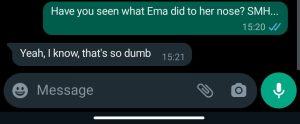
Seeing how SMH works in real conversations helps explain why it’s so popular. These examples showcase its usage in both serious and humorous situations.
In Casual Texts:
- “You spent 3 hours on TikTok and didn’t study? SMH.”
- “They canceled again last minute… smh.”
In Online Comments:
- “Another celebrity breakup? Smh, Hollywood stays messy.”
- “This guy just drove through a red light. SMH.”
In Memes:
- A photo of burnt pizza: “Tried to cook like Gordon Ramsay… smh.”
- A video of someone falling while dancing: “When you try too hard to impress her… SMH 😂”
The flexibility of SMH makes it a favorite in informal communication. It reacts for you, conveying emotion, attitude, and judgment without needing paragraphs.
The Emotional Tone Behind Using SMH
The emotional tone of SMH can range from lighthearted and playful to serious and disappointed. The meaning really depends on context and delivery.
Possible Emotional Tones:
- Playful: Teasing a friend for a funny fail.
- Ironic: Reacting sarcastically to a silly trend.
- Annoyed: Expressing frustration with someone’s actions.
- Disappointed: Gently calling out someone’s poor choice.
Factors That Change the Tone:
- Adding emojis softens it: “Smh 😂”
- Punctuation intensifies it: “SMH!!”
- Pairing it with context shows depth: “Forgot your mom’s birthday? Smh…”
Tone matters when using SMH. Overusing it or using it in a serious setting may come off as disrespectful or too casual. But when timed right, it reflects your reaction perfectly.
Differences Between SMH and Similar Reactions Like LOL or OMG
SMH is part of a group of internet reactions, but it serves a very different purpose from others like LOL (Laughing Out Loud) or OMG (Oh My God). Understanding the differences helps you use each one better.
Comparison Overview:
- SMH = Frustration, Disbelief, or Disapproval
- LOL = Laughter, amusement
- OMG = Shock, surprise, or excitement
- BRB = Stepping away (not emotional)
- WTF = Stronger reaction, often angry or surprised
Examples to Compare:
- “He wore socks with sandals. LOL.” (funny)
- “He wore socks with sandals. SMH.” (judging)
- “He wore socks with sandals. OMG.” (shocked)
While all three are shorthand for emotional response, SMH is more about judgment or disappointment, often used to criticize or mock gently without being too harsh.
When to Use SMH and When to Avoid It
SMH is useful for showing disappointment, frustration, or disbelief, but there are moments when it’s best avoided. It works great in casual, humorous, or sarcastic conversations, but may be inappropriate in serious or professional settings.
When to Use SMH:
- Texting close friends: “You forgot your wallet again? SMH.”
- Social media: Reacting to ridiculous news.
- Group chats: Lightly mocking someone’s silly behavior.
- Memes: Adding commentary to something absurd.
When to Avoid It:
- Formal emails or professional messages.
- Serious topics (e.g., health issues, tragedies).
- Conversations with someone who might find it passive-aggressive.
Tone is key—if someone might take it personally, reconsider using it. SMH is most effective when paired with humor or irony, not criticism or confrontation. Use it wisely to keep conversations light, engaging, and emotionally appropriate.
SMH in Memes and Internet Culture
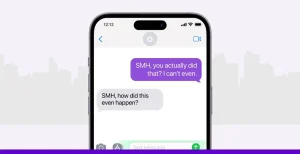
SMH has become a pillar of meme language and internet humor. It adds a relatable reaction to absurd, hilarious, or disappointing content. Because memes often show outrageous situations, SMH fits right in.
How SMH Is Used in Memes:
- Photo Captions: A dog making a mess – “Left him alone for 5 minutes… SMH.”
- GIFs or Videos: Someone falling – paired with “SMH” in the corner.
- Relatable Content: A post about Monday mornings – “SMH, here we go again.”
Why It Works So Well:
- Expressive and brief.
- Universally understood emotion.
- Adds context to memes without long explanations.
Even meme pages on platforms like Instagram, Reddit, and Twitter use SMH regularly. It reflects a shared understanding of social awkwardness, fails, and humor, making it a meme-friendly phrase that has only grown more popular over time.
Understanding Generational Use of SMH
SMH may seem like a universal phrase, but different generations use it differently. While Millennials and Gen Z commonly drop it into messages, older generations may not fully understand or use it as often.
Millennials and Gen Z (Ages 10–40):
- Use SMH often in texting, memes, and comments.
- Usually know the emotional tone behind it.
- Might even pair it with other slang: “SMH, fr fr.” (For real, for real)
Gen X and Boomers (Ages 40+):
- Less likely to use it, unless they’re familiar with internet slang.
- Some may interpret it literally or not know the acronym.
- In professional settings, they may avoid it altogether.
Understanding your audience is key. If you’re texting across generations, be sure the person knows what SMH means. While it’s second nature to younger users, older individuals may need clarity or prefer more traditional expressions.
Professional vs. Casual Usage of SMH
SMH is best suited for informal communication, not professional settings. Using it casually with friends, on social media, or in group chats is perfectly fine—but in the workplace, you need to be more cautious.
Casual Use (Great in These Situations):
- Texts with friends: “He missed the meeting again… smh.”
- Comment sections: “These prices? Smh.”
- Memes or jokes: “Trying to cook like Gordon Ramsay… smh.”
Professional Use (Use With Caution):
- Avoid in work emails, Slack, or official group chats.
- It may seem unprofessional or dismissive.
- If used, only in informal team conversations where everyone knows the tone.
To sound respectful in professional settings, replace SMH with phrases like:
- “I’m concerned about this.”
- “This seems problematic.”
- “Not ideal.”
Maintaining the right tone in work communication helps you avoid misunderstandings while keeping the conversation respectful and productive.
Other Popular Abbreviations Related to SMH
SMH is part of a larger group of texting slang that reflects emotions or reactions. Learning others can help you communicate clearly and casually in online spaces.
Related Abbreviations:
- LOL – Laughing Out Loud (used for humor)
- OMG – Oh My God (used for surprise or shock)
- WTF – What The F*** (stronger reaction than SMH)
- BRB – Be Right Back (not emotional, but common)
- IDK – I Don’t Know (neutral or unsure tone)
- ICYMI – In Case You Missed It (informative, like FYI)
When to Use Them:
- Use LOL when reacting to something funny.
- Use OMG for surprising or dramatic news.
- Use SMH for something frustrating, ridiculous, or dumb.
Knowing these lets you join conversations naturally while understanding the subtle emotional differences between them. They’re tools to simplify digital communication while still expressing your feelings.
Frequently Asked Questions About SMH Meaning in Text
What does SMH mean in texting?
It stands for “Shaking My Head,” used to express disappointment or disbelief.
Is SMH rude?
It can be, depending on tone. It’s best used lightly or playfully.
When should I avoid using SMH?
Avoid it in serious or professional settings, or with people unfamiliar with slang.
Is SMH still popular in 2025?
Yes! It remains a widely used reaction in memes, texts, and social media.
Can SMH be used sarcastically?
Absolutely. Sarcasm is one of the most common contexts for using SMH.
Do older people use SMH?
Not as often, but it’s becoming more recognized across generations.
Can I use SMH in an email?
Only in informal or casual work settings. It’s best to avoid informal emails.
Conclusion of SMH Meaning in Text
SMH has grown into a versatile expression that conveys judgment, disbelief, frustration, or sarcasm in just three letters. It’s a go-to phrase for casual communication, memes, and modern text culture. While it’s informal, it helps keep conversations expressive and real.
As with any acronym, knowing when and how to use SMH is essential—especially when shifting between casual chats and professional communication. Its popularity continues thanks to its use in memes and quick responses, especially among younger generations.
Whether you’re a meme lover, a social media enthusiast, or just want to keep up with texting slang, understanding SMH helps you stay fluent in modern communication. Just remember to use it appropriately and be mindful of tone—and you’ll be shaking your head in digital style like a pro.