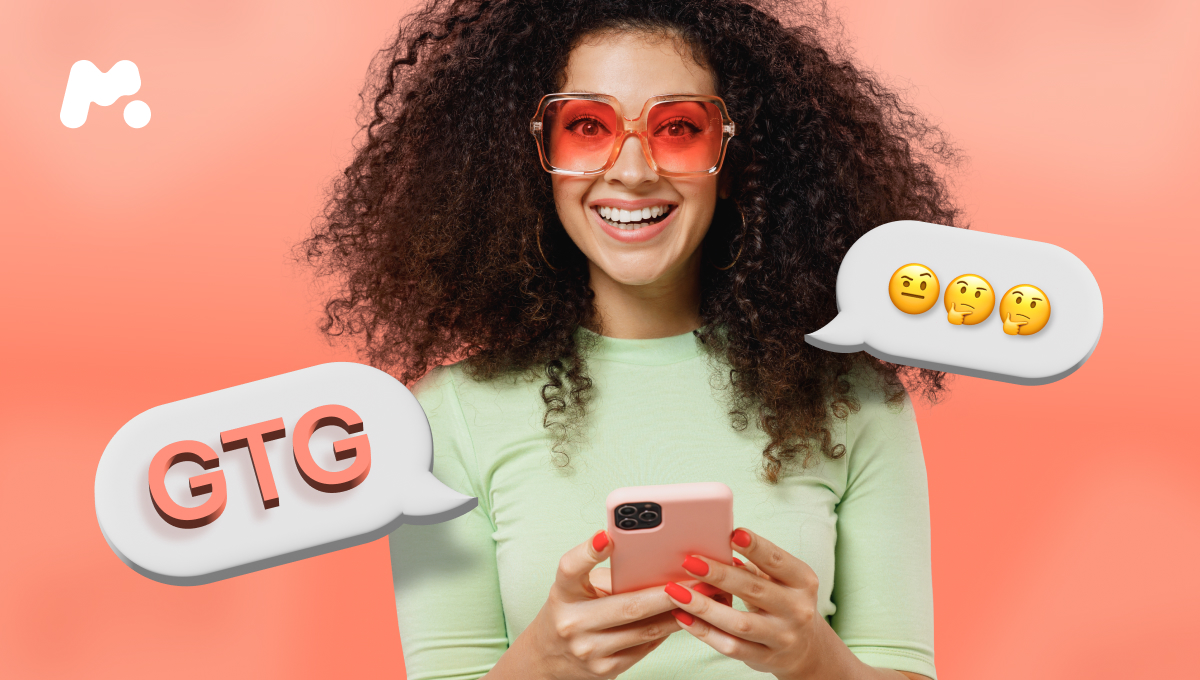
GTG Meaning in Text refers to the common texting acronym that stands for “Got To Go.” It’s widely used in casual conversations when someone needs to leave or end a chat quickly.
This shorthand is perfect for keeping things brief, especially in fast-paced messaging environments like group chats or one-on-one conversations. Whether you’re leaving a meeting, stepping away from a conversation, or just signing off for the night, GTG helps convey your departure without the need for lengthy explanations.
What Does GTG Stand For?
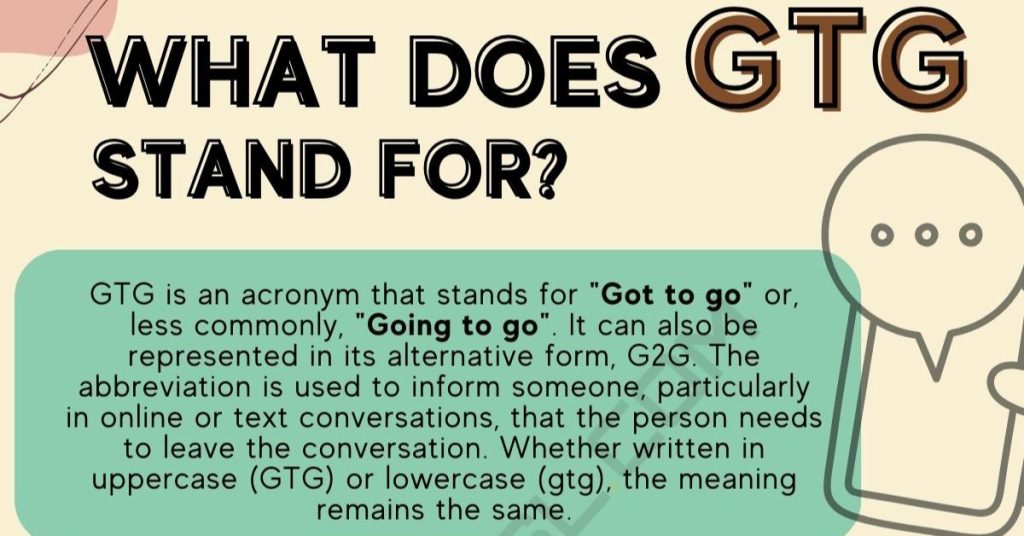
The acronym GTG stands for “Got to Go.” It’s typically used to indicate that the person is about to leave a conversation or sign off from a digital platform. The phrase is simple and effective, making it a favorite in informal and even semi-formal digital communication.
When someone types GTG, they are essentially signaling that they need to end the conversation quickly without going into detail. It’s a more casual and faster way to say goodbye, compared to typing out the full sentence. Here’s an example of how it’s used:
- “I have a meeting in 5 minutes, GTG!”
- “It’s getting late, GTG now. Talk soon!”
How GTG is Used in Casual Conversations
GTG is most commonly used in casual conversations, especially in texting or instant messaging. It’s perfect for quick, informal exchanges when you want to exit the conversation without making it awkward or lengthy. GTG is usually paired with other informal terms like BRB (Be Right Back), TTYL (Talk to You Later), or LOL (Laughing Out Loud).
The casual tone makes GTG a versatile and easy way to signal your departure from a chat. People often use it when they’re about to log off from their phone or computer or when they need to leave for an appointment or errand.
- “Alright, GTG now. Catch you later!”
- “It’s dinner time, GTG.”
Common Contexts for Using GTG in Texting
The GTG acronym is used in many everyday situations where you need to leave or wrap up a conversation quickly. Here are some common contexts where GTG might appear:
- Leaving for a meeting or appointment: If you’re about to head out for something, you might tell the other person you’re GTG to avoid a long goodbye.
- Closing a conversation casually: After chatting with friends or colleagues, when it’s time to end, GTG makes the process easy.
- Ending a phone call or video chat: Whether you’re on the phone or in a video meeting, it’s polite and convenient to use GTG when wrapping up.
- Busy schedule: When you have something urgent to attend to, GTG is a quick way to indicate you’re stepping away.
Examples:
- “Hey, GTG now, my boss is calling me.”
- “It’s getting late, GTG. See you tomorrow!”
Alternative Acronyms Similar to GTG
There are several other acronyms that are similar to GTG, and they serve similar functions in casual and digital conversations. Some of these alternatives are more suitable depending on the situation, tone, or relationship with the person you’re communicating with. Here are some popular alternatives:
- BRB (Be Right Back): Used when stepping away briefly but intending to return soon.
- TTYL (Talk to You Later): A way to say goodbye until the next time you speak.
- G2G (Got to Go): Another variation of GTG, often used interchangeably.
- BBS (Be Back Soon): Signaling a short absence but with an intention to return.
Each of these can be used depending on how much time you expect to be away or your tone of departure.
When to Use GTG in Professional or Formal Settings
While GTG is predominantly casual, there are instances where it may be appropriate in more professional or formal settings, such as when texting colleagues or clients. However, be mindful of the tone and nature of your conversation. In professional settings, a more formal goodbye might be preferred, but GTG can still be used in situations where brevity is needed and the environment is more relaxed.
For instance:
- In a quick work chat: “I’ve got to get to a meeting, GTG.”
- On a conference call: “The meeting is over, GTG.”
It’s important to ensure that the use of GTG in professional contexts doesn’t come off as too abrupt. When in doubt, use full words like “Goodbye” or “Take care.”
GTG vs. Other Common Text Abbreviations (e.g., BRB, TTYL)
It’s essential to understand the differences between GTG and other popular text abbreviations like BRB and TTYL. While all of these indicate the need to leave or temporarily exit a conversation, they serve slightly different purposes.
- BRB (Be Right Back): Used when you’re stepping away for a short period but intend to return. It implies a temporary break.
- TTYL (Talk to You Later): Indicates that you’ll be ending the conversation but plan to chat again at a later time.
- GTG (Got to Go): Used when you need to exit quickly, usually for a more immediate reason. It’s often final in tone, signaling the end of the conversation.
Each abbreviation has its nuances, and choosing the right one depends on the level of formality, your relationship with the person, and how soon you plan to return to the conversation.
GTG in Social Media and Messaging Apps
In today’s fast-paced digital communication world, GTG is commonly used across various social media platforms and messaging apps, such as WhatsApp, Facebook Messenger, Instagram, and Twitter. The acronym GTG (Got to Go) serves as a quick, casual way to exit a conversation without having to type a long goodbye.
On these platforms, users often prefer brevity, and GTG provides a smooth, convenient solution. It helps avoid the awkwardness of over-explaining why you’re leaving and gets straight to the point. Whether you’re chatting with friends, family, or colleagues, GTG is an effective way to signal that you need to sign off. It’s commonly paired with other texting shortcuts like BRB (Be Right Back) or TTYL (Talk to You Later), depending on the situation.
- In WhatsApp, you might see: “Alright, GTG, have a good day!”
- On Instagram: “Can’t talk anymore, GTG!”
It’s part of a larger trend in social media and messaging where brevity and efficiency are key.
The Evolution of Text Abbreviations Like GTG
Text abbreviations like GTG have evolved alongside the rapid growth of texting and instant messaging. In the early days of texting, characters were limited, and users needed to make communication quicker and more efficient. Over time, acronyms such as LOL (Laughing Out Loud), BRB (Be Right Back), and GTG (Got to Go) became staples in texting culture. These abbreviations allowed people to convey messages swiftly and with minimal effort, which became even more important as mobile devices became more popular for daily communication.
As texting evolved, especially with the rise of social media platforms like Facebook, Instagram, and Twitter, abbreviations like GTG became part of the digital lexicon. They’re now not only used in texts but also in direct messages, comments, and tweets, ensuring that messages stay short and to the point. The use of acronyms like GTG also allowed for a more casual, laid-back style of communication, reflecting the fast-paced nature of online interactions today.
How to Interpret GTG in Different Conversations
When you see GTG in a conversation, interpreting its meaning largely depends on the context. While GTG generally stands for “Got to Go,” the tone and relationship between the participants can offer more insight into its precise meaning. For example:
- Casual Conversations with Friends: When texting friends, GTG typically means you’re signing off quickly, often because you have something else to do. It’s a way to say goodbye without much formality.
Example: “I have to go study, GTG, talk later!” - Professional Settings: In a more professional context, GTG can be used to quickly close a conversation, but it may come off as abrupt if not used properly. It’s best used in relaxed work environments or when texting colleagues you have an informal relationship with. Example: “Got to jump on a call, GTG.”
- Family and Close Relationships: In family chats or close relationships, GTG is used to show affection and affectionately end a conversation. It might be followed by a personal touch, like “I’ll miss you” or “Love you!” Example: “Dinner’s ready, GTG. See you soon!”
The interpretation of GTG relies heavily on who you’re communicating with and the context surrounding your conversation.
Frequently Asked Questions About GTG Meaning in Text
What does GTG mean? GTG stands for “Got to Go.” It is commonly used to inform others that you need to leave the conversation or end the interaction.
When should I use GTG? You should use GTG when you need to leave a conversation quickly, especially in casual or informal settings. It’s appropriate when you don’t want to engage in a lengthy goodbye.
Can I use GTG in professional settings? While GTG is casual, it can be used in professional settings when communicating informally with colleagues or when the tone of the conversation allows for a more relaxed exchange. However, it may be best to avoid it in highly formal settings.
Are there other acronyms like GTG? Yes! Common alternatives include BRB (Be Right Back), TTYL (Talk to You Later), and G2G (Got to Go). Each acronym serves a similar purpose, but they may have slightly different connotations depending on the situation.
Is it appropriate to use GTG in text conversations with close friends? Yes! GTG is widely used in conversations with close friends or family, as it’s an easy and informal way to say goodbye.
Conclusion on GTG Meaning in Text
To conclude, GTG (Got to Go) is a highly useful acronym that makes digital communication quick and efficient. It is especially prevalent in casual texting, social media, and messaging apps. By understanding how and when to use GTG, you can make your conversations smoother, saving time while still being polite and clear.
Whether you’re signing off from a long chat or just need to step away for a moment, GTG allows you to exit the conversation with minimal fuss. As digital communication continues to evolve, abbreviations like GTG remain essential for fast-paced, effective communication. So, the next time you need to wrap up a conversation quickly, just use GTG!